
The 25-Minute Brain Hack: Why My Daily Sauna Session Is Now Non-Negotiable for Mental Performance
Key Takeaways
- A 25-minute session triggers a specific neurochemical sequence: norepinephrine (alertness, min 0-5), endorphins + BDNF (mood + neuroplasticity, min 5-15), dynorphin (receptor upregulation, min 15-25). Post-session: 30-60 min of parasympathetic rebound, enhanced creativity, improved decisions. It's not relaxation — it's a neurochemical protocol
- The post-sauna creativity window is real: default mode network activates (novel connections), prefrontal cortex dominance decreases (less overthinking), physical tension releases. This mirrors the 'focus then defocus' creativity protocol — and the sauna automates the transition
- ROI comparison: vs exercise (complement, unique rebound), vs meditation (sauna makes it more accessible), vs extra sleep (sauna improves sleep quality), vs screen time (the subtraction of scrolling is as valuable as the addition of neurochemistry)
- My protocol: 25 min sauna (last 5-10 min push past discomfort for dynorphin) → cool shower → 30-60 min creative/strategic work. This is when I write, plan, and make the decisions that matter most
- After 12 years testing every productivity tool: the 25-minute sauna produces the most consistent, reliable cognitive enhancement with the lowest effort. The day I skip, my evening is measurably worse
After 12 years of testing every productivity tool, supplement, and routine that exists, I've settled on the one thing that produces the most consistent, reliable cognitive enhancement with the lowest effort and highest enjoyment: 25 minutes in my infrared sauna.
Not because it's a trendy biohack. Because I've watched it produce better thinking, better decisions, and better creative output — reliably, daily, for over a decade. The day I skip, my evening is measurably worse. Sleep quality drops. Next-day focus suffers. The creative flow state is harder to access. It's not negotiable anymore.
The neurochemical timeline
Minutes 0-5 — Sympathetic activation: Norepinephrine starts rising. Attention sharpens. Your brain enters an alert, focused state — similar to the first minutes of exercise. You're not relaxed yet. You're activated. This is the 'warming up' phase, and the cognitive effect is immediate: scattered thinking consolidates.
Minutes 5-15 — The build: Core temperature rises. Beta-endorphin production ramps up. BDNF (brain-derived neurotrophic factor) increases with heat stress — promoting neuroplasticity, new neural connections, cognitive resilience. Prolactin rises, supporting myelin repair (the insulation around nerve fibers that determines signal speed). Your brain is getting fed the raw materials for improved function.
Minutes 15-25 — The push: Dynorphin releases — the 'uncomfortable' opioid that produces the urge to quit. This is where most people step out. But staying through it upregulates your mu-opioid receptors, amplifying the post-session endorphin response. Heat shock proteins activate neuroprotective pathways. The last 5-10 minutes are the investment. The post-session payoff is the return.
Post-session (30-60 minutes) — The payoff: Parasympathetic rebound. Deep calm. Enhanced creativity. This is when the default mode network activates — the 'mind wandering' network that generates novel connections your focused mind can't see. Prefrontal cortex dominance decreases — less analytical overthinking, more intuitive processing. Physical tension releases, removing the constraint patterns that unconsciously limit thinking.
This is when I do my best work. The 30-60 minutes after my sauna are when I write, plan strategy, and make the decisions that matter most for SaunaCloud. Not during the session — after. The session creates the state. The work captures it.
The creativity connection
The transition from heat stress (focused, alert, sympathetic) to post-heat relaxation (diffuse, creative, parasympathetic) mirrors the proven 'focus then defocus' creativity protocol that neuroscience research supports. The sauna automates this transition — you don't need to actively switch between focused and diffuse thinking modes. The heat forces focus during the session. The cooling forces defocus after. Your brain oscillates between the two states that, together, produce the most creative output.
Chang 2023 showed sauna produces theta and alpha brainwave patterns — the same frequencies associated with creativity, insight, and meditative states. The post-session window isn't just subjectively better for creative work. It's measurably different brain activity.
The ROI comparison
vs 25 minutes of exercise: Exercise is also excellent for brain health — endorphins, BDNF, cardiovascular conditioning. But it requires more prep time, recovery time, and doesn't produce the same parasympathetic rebound. Sauna is a complement, not a replacement. Both together is ideal. vs 25 minutes of meditation: Meditation produces similar parasympathetic benefits, but most people find it harder to sustain. The sauna provides a physical 'container' — the heat, the warmth, the sensory environment — that makes the meditative state more accessible.
vs 25 minutes of extra sleep: Sleep is irreplaceable. But sauna IMPROVES sleep quality — the thermoregulatory cooling effect and parasympathetic activation produce deeper slow-wave sleep. The 25-minute investment may return 30-60 minutes of higher-quality sleep. vs 25 minutes of screen time: This is the comparison that matters most. The 25 minutes I spend in my sauna are the 25 minutes I DON'T spend scrolling, reading news, or responding to non-urgent messages. The subtraction is as valuable as the addition.
The daily protocol
My daily cognitive protocol: 25 minutes in the sauna at 140°F. The first 15 minutes settle me. The last 10 minutes push me — past the dynorphin threshold, into the productive discomfort where receptor sensitization happens. Brief cool shower after — a quick sympathetic spike that deepens the subsequent parasympathetic rebound. Then: 30-60 minutes of creative and strategic work. No phone until the creative window closes. This sequence — heat → cool → create — has produced more value for my company than any other daily practice.
Build your own brain hack routine
Start with 15 minutes if you're new — the neurochemical benefits begin immediately, even at shorter durations. Build to 25-30 minutes over weeks. Schedule your most important creative or strategic work for the 30-60 minute post-session window. Leave your phone outside — the digital disconnection is half the cognitive benefit. Track the quality of your post-sauna work for two weeks. The data will convince you faster than any article.
Frequently asked questions
Frequently Asked Questions
The neurochemicals are measurable — norepinephrine, beta-endorphins, BDNF, and cortisol all show documented changes during and after heat exposure. The EEG data (Chang 2023) shows objective brainwave changes. Could expectation amplify the effect? Probably. But the underlying biology is real, published, and replicated.
No — 25 minutes is my optimum based on 12 years of experimentation. The neurochemical cascade begins within minutes. 15 minutes produces meaningful benefits. 30-40 produces more. The key is reaching the dynorphin threshold (genuine discomfort, usually around minute 15-20) and staying through it for 5-10 more minutes. Your threshold will be different from mine.
Both work, differently. Morning: the norepinephrine and focus carry into the workday. Evening: the parasympathetic rebound optimizes sleep quality, and the next morning starts from a higher cognitive baseline. I prefer evening because the creative window (30-60 min post-session) is when I do my most important thinking — quiet house, no interruptions.
A hot bath raises core temperature and produces some of the same neurochemical effects. But infrared heat warms tissue more efficiently at lower ambient temperatures, the seated position matters for sustained exposure, and the enclosed cedar environment creates a sensory container that a bathtub doesn't match. Plus: no pruning.
Cold exposure produces a massive norepinephrine spike (200-300% increase in 20 seconds) — excellent for alertness and focus. Sauna produces a broader neurochemical cascade (endorphins + serotonin + BDNF + norepinephrine + cortisol reduction). The combination (sauna → cold) is the most comprehensive cognitive protocol. But if I had to choose one daily: sauna, because the parasympathetic creativity window doesn't exist with cold alone.
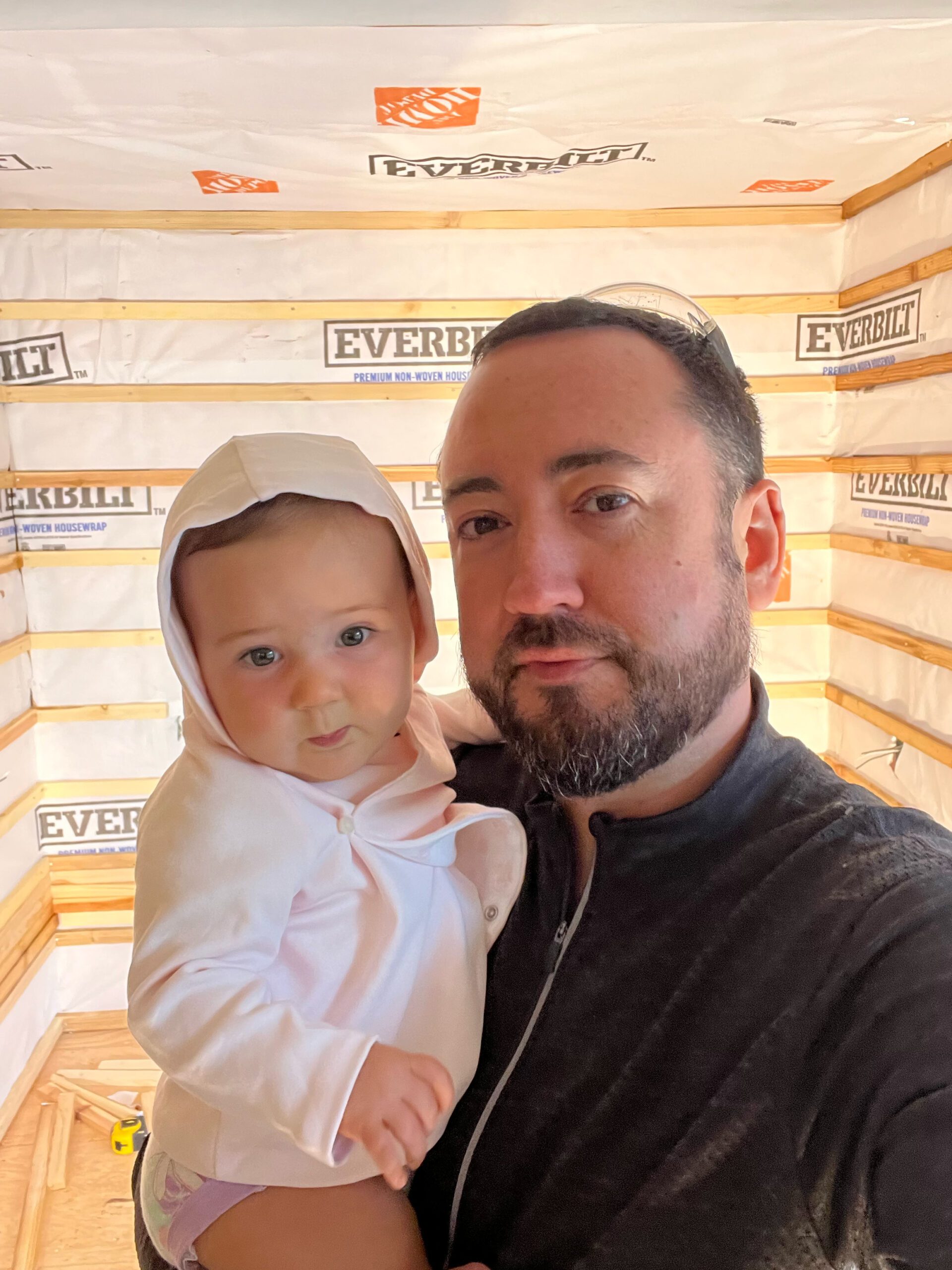
Founder & Lead Designer, SaunaCloud®
3,000+ custom saunas built since 2014 · Author of The Definitive Guide to Infrared Saunas · Featured in Forbes, Inc., and MSN
Chris has been designing and building custom infrared saunas since 2014. He wrote one of the first comprehensive books on infrared sauna therapy and is personally involved in every SaunaCloud build — from design consultation through delivery and beyond.
Continue Reading
Getting High Naturally: The Complete Neurochemistry of the Infrared Sauna Euphoria (2026)
Read article
How Infrared Saunas Calm Your Nervous System: The Autonomic Rebalancing That Underlies Every Benefit (2026)
Read articleThe Infrared Sauna Daily Routine: Five Session Types for Every Day of Your Week (2026)
Read articleBuild the Space That Becomes Your Daily Competitive Advantage
25 minutes that produce better thinking, better decisions, and better creative output — reliably, daily. Custom designed for your cognitive protocol.