
Why 99% of Infrared Saunas Are Exactly the Same — and How to Find the 1% That Aren't (2026)
Key Takeaways
- The majority of infrared sauna 'brands' in North America are white-label products from the same handful of OEM factories. Same hemlock wood, same carbon panels, same generic controls, same power supplies — different logo, different price. A $2,000 sauna and a $4,000 sauna from different brands are often the same factory product at different markups
- The price difference between white-label brands reflects marketing spend, not product quality. Factory cost: $400-$800. By the time it reaches you through importers, distributors, and 'brand' marketers: $2,000-$5,000. The brand with more Instagram ads charges more for the identical product
- What ACTUALLY differentiates saunas: proprietary heater design (vs generic), power supply engineering (the #1 failure point), wood species and grade, post-sale support quality, and whether the company can iterate on its own product. Most can't — they're marketers, not engineers
- SaunaCloud is vertically integrated: we design and manufacture our own VantaWave heaters, CORE 5 power supply, control systems, and software in-house. When something needs improvement, we redesign it — we don't file a complaint with a factory on the other side of the world
- The one question that reveals everything: 'Do you design and manufacture your own heaters and power supply, or source them from a third-party manufacturer?' The answer tells you whether you're buying from an engineering company or a marketing company
I'm going to tell you something the infrared sauna industry doesn't want you to know. After 12 years building custom saunas and watching this industry evolve, I've seen the same pattern play out hundreds of times — and it's time someone explained it publicly.
How the white-label supply chain actually works
The vast majority of 'infrared sauna brands' sold in North America are not manufacturers. They're marketers. They buy pre-built sauna cabins from a handful of OEM factories — primarily in Guangdong province, China — apply their own logo, write their own marketing copy, and sell the same physical product at markups of 200-400%.
The heaters are identical (same carbon panel supplier). The wood is identical (same hemlock or basswood grade). The power supplies are identical (same generic Shenzhen manufacturer). The control panels are identical (same software, same interface). The assembly methods are identical. The ONLY things that differ: the brand name on the exterior, the marketing on the website, and the price on the checkout page.
The spot-the-clone exercise
Take any 10 infrared sauna brands priced under $5,000 and compare them side by side. Look at: the control panel design (same rounded-corner display across 'competing' brands). The heater panel shape and size (identical dimensions). The wood species (hemlock or basswood — rarely disclosed with specificity). The warranty exclusions (same language, different letterhead). The assembly method (tongue-and-groove panels that snap together identically).
When three 'competing' products have identical internal components, identical construction, and identical warranty language — but three different prices — you're not comparing three products. You're comparing three marketing budgets.
What price differences actually reflect
A standard 2-person infrared sauna cabin costs approximately $400-$800 to manufacture at a Chinese OEM factory. Shipping to a US port: $200-$500. The importer/distributor takes a 100-200% markup. The 'brand' takes an additional 50-150% markup. Final retail: $2,000-$5,000 — for functionally identical products.
The brand charging $4,500 for the same cabin that another brand sells for $2,500 isn't offering a better product. They're covering a larger marketing budget — influencer partnerships, paid search ads, trade show booths, and glossy photography of the same hemlock box with a different logo.
What genuinely differentiates one sauna from another
The short list of things that actually vary between infrared saunas: Heater design and manufacturing — proprietary (designed by the company) vs generic (sourced from the same supplier everyone uses). Power supply engineering — the #1 failure point. Proprietary vs generic overseas. Wood species and grade — hand-selected Western Red Cedar vs bulk hemlock. Post-sale support — direct phone from engineers vs chatbot from marketers. Design iteration capability — can the company redesign a component when it fails, or can they only reorder from the same factory?
Engineering companies vs marketing companies
SaunaCloud designs and manufactures our own VantaWave heaters, our own CORE 5 power supply, our own control systems, and our own software. This vertical integration is exceptionally rare in the infrared sauna industry. Most companies are structured as: marketing team → importer → Chinese factory. They have no engineering capability.
Why this matters: when a white-label brand's power supply fails, they can only send a replacement from the same factory that produced the defective unit. The design flaw persists. When SaunaCloud identifies a component issue, we redesign the component. The root cause is addressed. This is the difference between an engineering company and a marketing company — and it's the difference between a sauna that lasts a decade and one that needs replacement parts every few years.
The certification reality
Many white-label saunas arrive with CE marking — a European certification that is largely self-declared by the manufacturer. What they often lack: UL or CSA certification — North American safety standards that require independent third-party testing. Some brands have UL-listed COMPONENTS (wire, plugs, individual parts) but not a UL-listed ASSEMBLY (the complete sauna as an integrated system). The distinction matters for safety and for building code compliance if you're integrating a sauna into your home.
How to tell if your sauna is white-label
Look for: the same control panel appearing across multiple 'competing' brands (Google Image search the control panel — you'll find it on other brands' websites). A company that can't tell you where their heaters are manufactured or what the heater surface temperature is. Warranty language that excludes the power supply or 'electronic components.' No phone number for support — only email or chatbot. The brand launched recently but has no engineering team, no R&D facility, and no patents.
The one question that reveals everything: 'Do you design and manufacture your own heaters and power supply, or do you source them from a third-party manufacturer?' If the answer is third-party — you're buying from a marketing company. Both can sell you a sauna. Only one can support it long-term.
Frequently asked questions
Frequently Asked Questions
Not all — but the vast majority under $5,000 from North American 'brands' are white-label products from the same handful of Chinese factories. Same heaters, same wood, same power supplies, same controls — different logo and price. The exceptions are companies that design and manufacture their own components: SaunaCloud (VantaWave heaters, CORE 5 power supply), and a small number of others with genuine engineering capabilities.
Look for: identical control panels across 'competing' brands (reverse image search). Unable to explain their heater engineering or power supply design. No engineering team, patents, or R&D facility. Launched recently with polished marketing but no manufacturing history. Warranty excluding electronic components. These signs indicate a marketing company reselling factory products, not an engineering company building their own.
Not necessarily bad — just undifferentiated. A $2,500 white-label sauna will produce infrared heat and you'll sweat. The issues are longevity (generic power supplies fail within 3-5 years), support (no engineering capability to diagnose problems), and value (you're paying for marketing, not quality). For someone testing whether infrared works for them, a basic white-label unit is functional. For someone investing in a decade of daily use, the engineering matters.
Because we design and manufacture our own heaters, power supply, and control systems. We use hand-selected Western Red Cedar instead of bulk hemlock. We custom-build to your specifications instead of shipping a standard cabin. And we provide direct phone support from the team that engineered the system. The cost reflects engineering, materials, and support — not marketing markup on a generic product.
Generic carbon panels are commodity components purchased from the same supplier by dozens of brands. VantaWave is designed in-house with specific attention to wavelength output (based on Wien's Law from heater surface temperature), EMF management, power distribution, and longevity (30,000+ hours design life). The overhead halogen panel adds intense concentrated infrared from above — a dual-heater approach no white-label product offers. See our heater comparison for the full engineering breakdown.
No — the issue isn't where it's made but whether anyone DESIGNED it. A Chinese factory manufacturing to a company's proprietary specifications and quality standards can produce excellent products. The problem is when a marketer buys whatever the factory's standard catalog offers, slaps a logo on it, and calls it their 'brand.' The question isn't country of origin — it's whether engineering went into the product or just marketing.
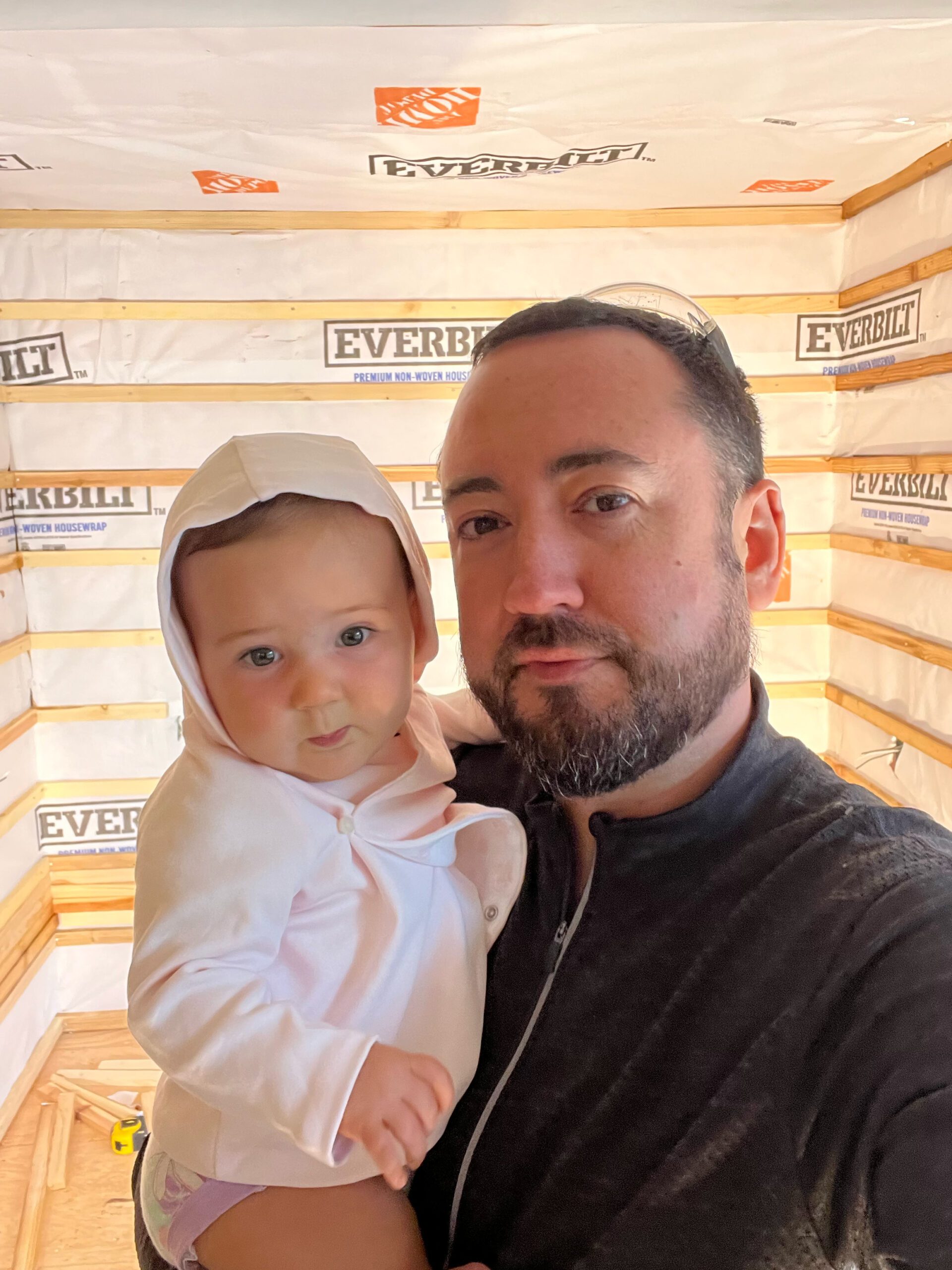
Founder & Lead Designer, SaunaCloud®
3,000+ custom saunas built since 2014 · Author of The Definitive Guide to Infrared Saunas · Featured in Forbes, Inc., and MSN
Chris has been designing and building custom infrared saunas since 2014. He wrote one of the first comprehensive books on infrared sauna therapy and is personally involved in every SaunaCloud build — from design consultation through delivery and beyond.
Continue Reading
The Infrared Sauna Buying Guide: What 3,000+ Installations Taught Me About What Matters (2026)
Read article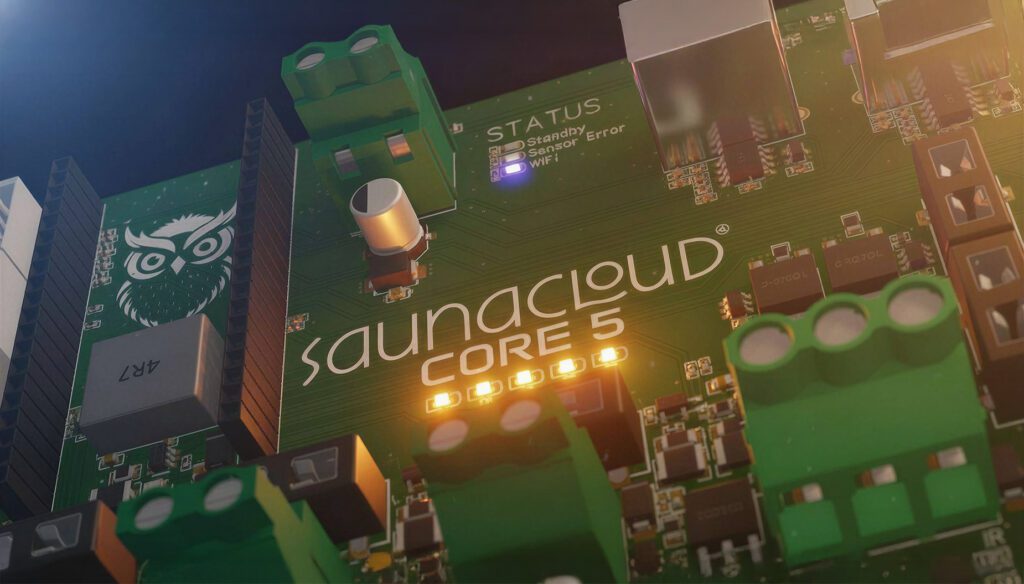
Infrared Sauna Heater Comparison: Carbon vs Ceramic vs Halogen vs VantaWave® (2026)
Read article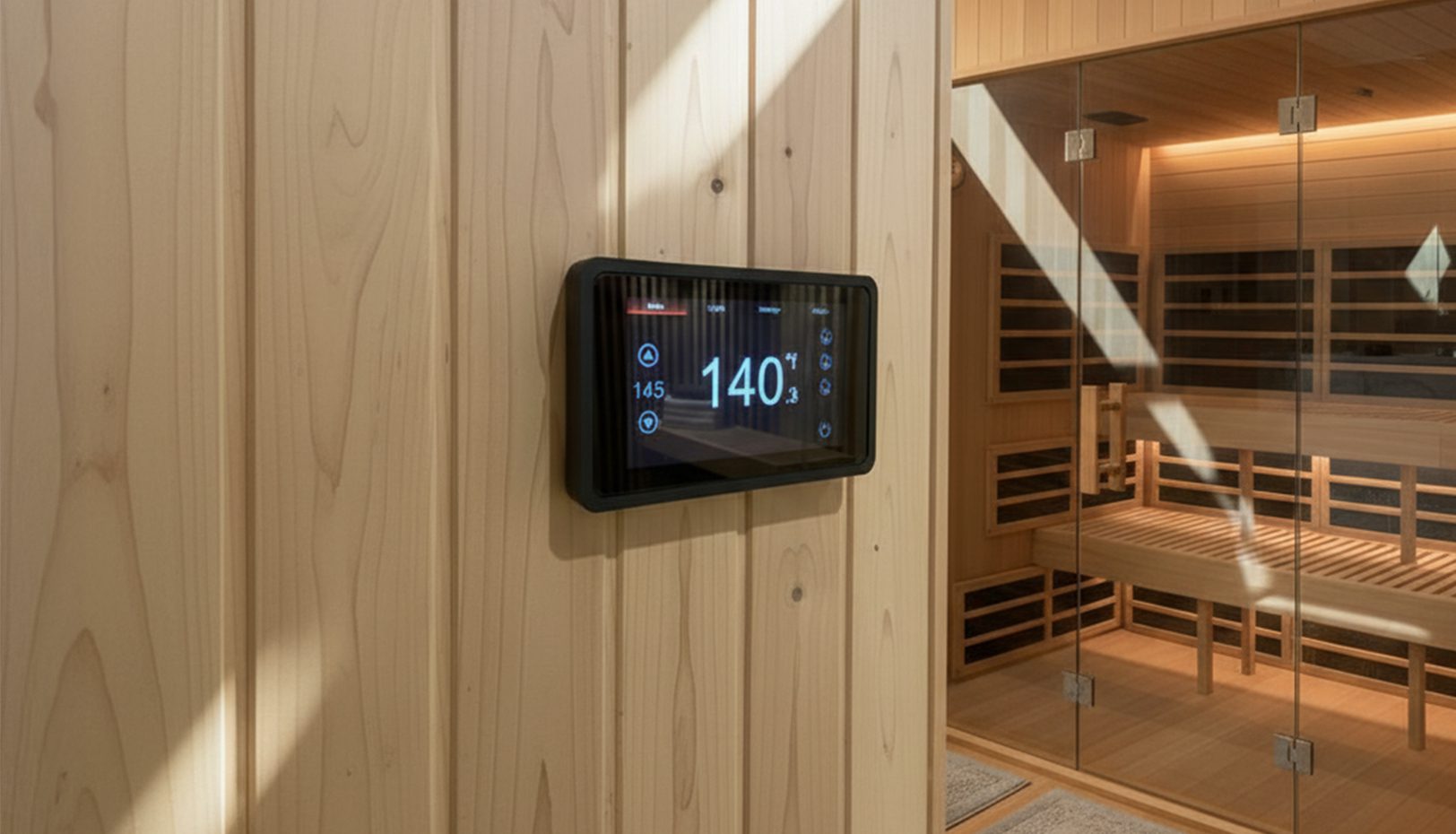
Full Spectrum Infrared Saunas: The Physics Behind the Marketing (2026)
Read articleSee What an Engineering Company Builds
Proprietary VantaWave heaters. In-house CORE 5 power supply. Hand-selected Western Red Cedar. Direct support from engineers, not marketers. Call 800-370-0820.