
Infrared Saunas and Chronic Infections: How Heat Therapy Supports Your Immune System Against Lyme, MRSA, Candida, and More
Key Takeaways
- Far infrared sauna therapy supports the fight against chronic infections by raising core temperature (creating conditions unfavorable for pathogens), boosting immune cell activity, and providing additional detoxification through sweat. It complements — never replaces — antimicrobial treatment
- Your body's fever response exists because most pathogens are temperature-sensitive. Infrared saunas create a mild artificial fever (core temp rises to ~101°F), mimicking this ancient defense mechanism in a controlled, repeatable way
- Specific pathogens are heat-sensitive at different thresholds: Candida growth is inhibited above 101°F, Borrelia (Lyme) spirochetes struggle above 102°F, and Staph replication slows above 104°F
- Start very gently: 125°F for 15 minutes, 2–3x/week. Watch for Herxheimer reactions (feeling worse before better). Build to 135–140°F, 30–40 minutes, 4–5x/week over 4–6 weeks
- Heat therapy activates 5 immune mechanisms simultaneously: artificial fever, white blood cell production, heat shock proteins, improved lymphatic circulation, and detoxification through sweat
Medical Disclaimer: This article is for informational purposes only and is not medical advice. Infrared sauna therapy is a complementary approach — not a replacement for antimicrobial treatment. Always work with your healthcare provider, infectious disease specialist, or Lyme-literate physician when treating chronic infections.
If you're dealing with a chronic infection — Lyme disease, recurring candida, persistent staph, EBV reactivation, chronic sinusitis — you know a particular kind of frustration. You've done the antibiotics, maybe multiple rounds. Some symptoms improved. Others didn't. And somewhere along the way, you started looking for anything that might give your body an edge in a fight it seems to be losing.
Infrared sauna therapy is not the silver bullet. I want to be clear about that from the first paragraph. It does not replace antimicrobial treatment. It does not cure infections. But after twelve years of building custom infrared saunas and working with hundreds of clients managing chronic infections, I can tell you this: regular far infrared therapy supports your immune system in measurable, repeatable, science-backed ways that make a meaningful difference for many people fighting persistent infections.
This guide covers the mechanisms — how and why heat therapy works against infections — the specific pathogens it's most relevant for, a practical protocol designed for immunocompromised patients, and the important limitations you need to understand.
What makes infections chronic
Not all infections respond to a course of antibiotics and disappear. Some pathogens have evolved sophisticated strategies to evade your immune system and survive long-term:
- Biofilms: Many bacteria (including staph and Borrelia) form protective communities called biofilms — essentially shields of polysaccharide matrix that antibiotics can't fully penetrate. The bacteria inside the biofilm survive treatment and re-emerge when the antibiotic course ends.
- Intracellular hiding: Some pathogens (Chlamydia, Mycobacterium, certain viruses) hide inside your own cells, where antibiotics have difficulty reaching them. Your immune system can't easily detect or attack something inside its own cells.
- Immune evasion: Borrelia burgdorferi (Lyme) can change its surface proteins to avoid immune recognition. Candida can shift between yeast and hyphal forms. EBV integrates into your cells' DNA. These organisms are evolutionarily optimized for persistence.
- Antibiotic resistance: MRSA (methicillin-resistant Staphylococcus aureus) is the most well-known example of a pathogen that has evolved resistance to multiple antibiotics. The WHO classifies antibiotic resistance as one of the greatest threats to global health.
When conventional treatments fail to fully resolve an infection, the body enters a cycle: the pathogen persists at low levels, the immune system mounts a constant inflammatory response, and the patient experiences ongoing symptoms — fatigue, pain, brain fog, digestive issues — that can last months or years. Breaking this cycle requires supporting the immune system's ability to fight, not just throwing more antibiotics at the problem.
The fever response: your body's oldest weapon
Here's something most people misunderstand: fever is not the disease. Fever is the cure. When you get sick, your body deliberately raises its temperature because most pathogens are temperature-sensitive. This response evolved over hundreds of millions of years — fish, amphibians, reptiles, and mammals all mount fever responses. It's one of the most conserved immune mechanisms in biology.
The reason is straightforward: most human pathogens have evolved to thrive at 98.6°F — normal human body temperature. Raise that temperature by just 2–4°F and their world changes dramatically. Enzyme function disrupts. Replication rates slow. Cell membranes become unstable. Meanwhile, your immune system works better at elevated temperatures — white blood cell production increases, NK cell activity rises, and heat shock proteins activate protective cascades.
Modern medicine often treats fever as a symptom to suppress. But a growing body of research suggests that mild, controlled fever — whether natural or artificially induced — is one of the most powerful immune-supporting tools available. This is the principle behind clinical hyperthermia therapy, and it's the mechanism that makes infrared sauna therapy relevant for chronic infections.
How far infrared creates controlled artificial fever
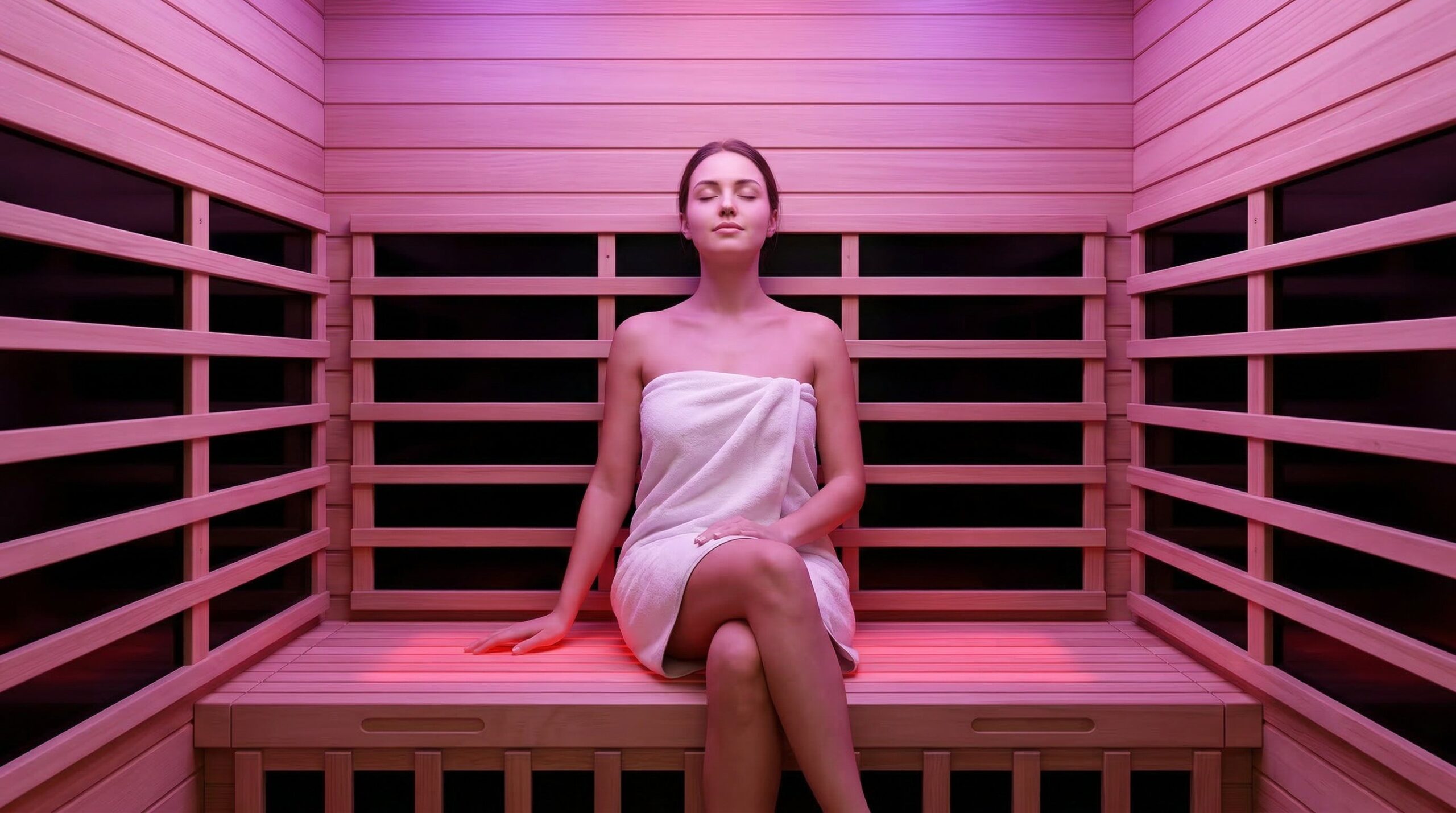
A typical 30–40 minute infrared sauna session at 135–140°F raises your core body temperature by approximately 2–3°F — from 98.6°F to roughly 100.6–101.6°F. This is equivalent to a mild fever, sustained in a controlled, repeatable manner.
How Infrared Fights Chronic Infections
Artificial Fever
Raises core temp 2–3°F, inhibiting pathogen replication
Immune Activation
Increased WBC count, NK cells, and interferon production
Heat Shock Proteins
HSP70/90 regulate immune response and support pathogen clearance
Improved Circulation
Delivers more immune cells to infected tissues
Detox Support
Sweating excretes metabolic waste and dead pathogen byproducts
This artificially elevated temperature activates five immune mechanisms simultaneously:
1. Direct pathogen inhibition
The elevated core temperature directly slows pathogen replication. Most human pathogens have evolved to function optimally at 98.6°F. Even a 2°F increase creates metabolic stress on these organisms — slower reproduction, impaired enzyme function, and increased vulnerability to immune attack. This doesn't kill pathogens outright, but it shifts the battlefield in your immune system's favor.
2. Immune cell activation
Heat exposure triggers measurable increases in white blood cell production — including neutrophils (your frontline bacterial defense) and lymphocytes (which coordinate targeted immune responses). Natural killer (NK) cell activity — your body's primary defense against virus-infected and tumor cells — increases during and for hours after heat exposure. Studies show interferon production also rises, enhancing your body's antiviral signaling.
3. Heat shock protein production
When core temperature rises, your body produces heat shock proteins — particularly HSP70 and HSP90 — that have documented immunomodulatory effects. HSPs help immune cells identify and target infected cells. They also protect healthy cells from collateral damage during immune responses. For chronic infection patients, this dual action — enhanced pathogen targeting and reduced immune-mediated tissue damage — is especially valuable.
4. Improved circulation and lymphatic flow
Infrared-induced vasodilation increases blood flow by 50–70% during a session. This delivers more immune cells to infected tissues — faster arrival, higher concentration, better coverage. Equally important, improved lymphatic circulation helps clear metabolic waste, dead pathogen fragments, and inflammatory debris from infected areas. The lymphatic system is essentially the immune system's highway, and heat therapy gives it a significant boost.
5. Detoxification through sweat
When your body is fighting a chronic infection, it accumulates a burden of metabolic waste: dead pathogen fragments, drug metabolites, inflammatory byproducts, and the toxins that some pathogens produce directly (mycotoxins from candida, endotoxins from gram-negative bacteria). Your kidneys and liver handle most of this, but sweating provides an additional excretion pathway. Studies have detected heavy metals, drug metabolites, and various organic compounds in sauna-induced sweat — making it a meaningful supplementary detox channel.
Specific chronic infections and infrared therapy
Pathogen Temperature Sensitivity
Most pathogens struggle as core temperature rises
Infrared sauna sessions raise core temp to ~100.6–101.6°F — mild artificial fever
Lyme disease (Borrelia burgdorferi)
Lyme disease is arguably the chronic infection most frequently associated with infrared sauna therapy. The Borrelia spirochete is demonstrably heat-sensitive — in vitro studies show reduced motility and viability above 102°F. This has led many Lyme-literate physicians (LLMDs) to include hyperthermia as part of comprehensive Lyme protocols, alongside antimicrobial therapy.
Infrared sauna therapy doesn't raise core temperature to 102°F in most people (it typically reaches 100.6–101.6°F), so the direct thermal kill of Borrelia is limited. However, the immune activation, improved circulation to affected tissues (Lyme commonly affects joints, the nervous system, and the heart), and detoxification support all contribute to an environment that's hostile to the spirochete and supportive of recovery.
The Herxheimer reaction (see protocol section below) is particularly common in Lyme patients beginning sauna therapy — as immune function improves and bacterial die-off increases, temporary symptom worsening can occur. This is manageable with a gradual protocol but should be monitored by your LLMD.
Candida and yeast overgrowth
Candida albicans — the yeast responsible for most fungal overgrowth conditions — is temperature-sensitive. Growth rates decrease above 101°F, and the organism's ability to shift into its invasive hyphal form (the tissue-penetrating stage) is impaired at elevated temperatures. Infrared sauna therapy supports the body's anti-candida defenses through direct thermal stress on the organism, enhanced immune surveillance, and — critically — excretion of mycotoxins (the toxic byproducts that candida produces) through sweat.
MRSA and antibiotic-resistant staph
Clinical hyperthermia has been used as adjunctive therapy for antibiotic-resistant infections for decades — particularly in wound care settings where localized heat is applied to MRSA-infected tissue. While infrared saunas provide systemic rather than localized heating, the immune-boosting effects support the body's ability to manage staph infections that antibiotics alone haven't resolved. The improved circulation is particularly relevant for staph infections in poorly vascularized tissues (skin, bone, prosthetic implant sites) where immune cells have difficulty reaching.
EBV and chronic viral reactivation
Epstein-Barr virus (EBV) infects over 90% of the global population and typically remains latent in B-cells after initial infection. In some people — particularly those with compromised immune function — EBV reactivates periodically, causing fatigue, sore throat, swollen lymph nodes, and contributing to chronic fatigue syndrome. Infrared sauna therapy supports the immune system's ability to keep latent viruses suppressed through enhanced NK cell activity, interferon production, and overall immune regulation via heat shock proteins. Research on NK cell activity and heat exposure is particularly relevant here — studies show significant increases in NK cell number and cytotoxic activity during and after heat stress, with effects persisting for hours post-session. For EBV patients, this daily immune boost helps maintain the viral suppression that prevents reactivation episodes.
Chronic sinusitis
While not typically life-threatening, chronic sinusitis affects 30+ million Americans and is notoriously difficult to treat. Infrared sauna therapy provides improved blood circulation to the nasal passages, reduced inflammation, and the thinning of mucous secretions that heat naturally produces. Many of our clients with chronic sinusitis report it as one of the first and most noticeable benefits of regular sauna use — often within the first week.
The protocol for chronic infection support
Chronic infection patients require an especially careful, gradual approach. Many are debilitated — dealing with fatigue, pain, and compromised energy. Pushing too hard too fast can trigger Herxheimer reactions or simply overwhelm an already stressed body.
Phase 1: Testing tolerance (weeks 1–2)
125°F, 15 minutes, 2–3x per week. This is deliberately gentle. Your primary goal is to observe how your body responds — not to achieve maximum therapeutic effect. Monitor symptoms for 24–48 hours after each session. If you experience a Herxheimer reaction (feeling worse — increased fatigue, headache, body aches, brain fog), reduce to 10 minutes or lower the temperature to 120°F. The reaction indicates the therapy is working — but it needs to be managed, not powered through.
Phase 2: Building capacity (weeks 3–4)
130°F, 20 minutes, 3–4x per week. By now your body has adapted to the heat and Herxheimer reactions should be decreasing. Immune function is improving. Sleep quality is typically better. Energy may be starting to stabilize.
Phase 3: Therapeutic maintenance (weeks 5+)
135–140°F, 30–40 minutes, 4–5x per week. This is the maintenance zone where maximum immune support is sustained. Core temperature reliably reaches 100.6–101.6°F — mild artificial fever on a consistent, repeatable basis. Some clients stay at 135°F permanently; others work up to 140°F. Listen to your body.
Hydration is critical: Chronic infection patients are often already dehydrated from medication side effects and reduced appetite. Drink 20 oz of electrolyte water before your session, sip during, and drink 20 oz after. If you're on diuretics or experiencing GI symptoms, increase these amounts. Dehydration impairs immune function — the opposite of what you're trying to achieve.
What infrared does NOT do
Honesty matters more than sales in a health article. Infrared sauna therapy:
- Does not cure infections. It supports the immune system's ability to fight them. The distinction is critical.
- Does not replace antimicrobial treatment. If your doctor has prescribed antibiotics, antifungals, or antivirals, take them. Infrared therapy complements pharmaceutical treatment — it doesn't substitute for it.
- Does not reach temperatures that directly kill most pathogens. Clinical hyperthermia (used in hospital settings) raises core temperature to 104–107°F — well above what a sauna produces. Home infrared sauna therapy creates mild, supportive hyperthermia, not aggressive pathogen-killing heat.
- Does not work in isolation. The best outcomes we see are in clients who combine infrared therapy with appropriate medical treatment, immune-supporting nutrition (vitamin D, zinc, vitamin C), adequate sleep, and stress management.
If anyone tells you an infrared sauna will cure your Lyme disease, MRSA, or chronic viral infection, they're not being honest with you. What infrared therapy does — consistently, measurably, and backed by real mechanisms — is give your immune system a daily boost that, over weeks and months, makes a meaningful difference for many people. That's not a miracle. It's complementary medicine done properly.
Combining infrared with other therapies
The clients who see the best results with chronic infections integrate infrared therapy into a comprehensive protocol — not rely on it in isolation. The most effective combinations we see:
- Infrared + antimicrobials: Sauna therapy alongside prescribed antibiotics, antifungals, or antivirals. The immune boost from heat supports pharmaceutical effectiveness. Time sessions 1–2 hours away from medication doses.
- Infrared + immune-supporting nutrition: Vitamin D (most chronic infection patients are deficient), zinc (T-cell function), vitamin C (antioxidant protection during immune activation), and omega-3s (anti-inflammatory). Discuss with your doctor.
- Infrared + quality sleep: Sleep is when your immune system does its most intensive repair. Evening sauna sessions improve sleep quality through thermoregulatory cooling — better sleep means more effective immune function. This creates a virtuous cycle.
- Infrared + stress management: Chronic infections are profoundly stressful, and chronic stress suppresses the exact immune functions you need. The parasympathetic activation from sauna therapy helps break the stress-immune suppression cycle that keeps many infections entrenched.
The right sauna for immune support
For immunocompromised patients, two features of our saunas are especially relevant. First, VantaWave® heaters operate at under 0.2 milligauss EMF — one-tenth of the Swedish safety standard. Some chronic infection patients (particularly those with Lyme) report electromagnetic sensitivity, and while the research is debated, eliminating the variable removes a concern entirely.
Second, integrated red light therapy at 660nm provides additional cellular-level immune support through enhanced mitochondrial function. Mitochondria are the energy powerhouses of your immune cells — when they work better, your immune response is more effective. Combining far infrared heat (systemic immune boost) with red light therapy (cellular energy support) in a single session provides the most comprehensive non-pharmaceutical immune support available.
For more on related topics, explore our guides on autoimmune disease relief and our research library for the latest studies on heat therapy and immune function.
Frequently asked questions
Frequently Asked Questions
Far infrared sauna therapy supports the body's fight against chronic infections by raising core temperature to create conditions unfavorable for pathogens, boosting immune cell activity (WBC, NK cells, interferon), activating heat shock proteins, improving lymphatic circulation, and providing additional detoxification through sweat. It's a complementary therapy that works alongside — not instead of — antimicrobial treatment.
Many Lyme-literate physicians recommend hyperthermia as part of comprehensive Lyme protocols. The Borrelia spirochete is temperature-sensitive — motility and viability decrease above 102°F. While infrared saunas don't reach this core temperature, the immune activation, improved circulation, and detoxification support create an environment hostile to the spirochete. Always work with a Lyme-literate doctor.
Infrared saunas don't directly kill bacteria at the temperatures they produce (core temp reaches ~101°F, not the 104°F+ needed for direct thermal kill of most bacteria). Instead, they create a mild fever response that inhibits bacterial replication and activates your immune system's pathogen-fighting capabilities. Think of it as supporting your body's natural fever response in a controlled, repeatable way.
Heat exposure triggers five key immune responses: increased white blood cell production, enhanced natural killer cell activity, heat shock protein production (HSP70/90 regulate immune function), improved lymphatic circulation (your immune system's transport network), and reduced cortisol (chronic stress suppresses immunity). These effects combine to strengthen your body's overall infection-fighting capacity.
When pathogens die off rapidly — from heat stress, immune activation, or antimicrobial treatment — they release endotoxins and cellular debris that temporarily overwhelm your detox pathways. This causes a 'die-off' reaction: increased fatigue, headaches, body aches, brain fog, or temporary symptom worsening. It indicates the therapy is working. Manage it by reducing session duration and temperature, increasing hydration, and building back up gradually.
Start with 2–3 short sessions per week at low temperatures (125°F, 15 minutes). Build to 4–5 sessions per week at 135–140°F for 30–40 minutes over 4–6 weeks. Consistency is critical for sustained immune support. Track symptoms in a journal and adjust frequency based on your body's response and your doctor's guidance.
Consult your prescribing doctor. Generally, infrared sauna can complement antibiotic therapy — the immune boost supports antibiotic effectiveness. However, sauna-induced changes in circulation and hydration can affect drug absorption and blood levels. Space your sauna session at least 1–2 hours from medication doses and ensure aggressive hydration to prevent drug concentration.

Founder & Lead Designer, SaunaCloud®
3,000+ custom saunas built since 2014 · Author of The Definitive Guide to Infrared Saunas · Featured in Forbes, Inc., and MSN
Chris has been designing and building custom infrared saunas since 2014. He wrote one of the first comprehensive books on infrared sauna therapy and is personally involved in every SaunaCloud build — from design consultation through delivery and beyond.
Continue Reading
Infrared Saunas and Chronic Infections: What the Evidence Actually Supports (2026)
Read article
Infrared Sauna and Your Immune System: The Science of Immune Resilience vs 'Immunity Boosting' (2026)
Read article
Infrared Sauna Health Benefits: What a Decade of Building Saunas Reveals
Read articleBuild the Sauna That Supports Your Recovery
Ultra-low EMF VantaWave® heaters, precise temperature control, optional red light therapy — custom designed for immune support. 3,000+ builds since 2014.