
Cold Shock Proteins & Cryotherapy: The Other Side of the Temperature Equation (2026)
Key Takeaways
- Cold shock proteins (RBM3, CIRBP) and heat shock proteins (HSP70, HSP90) are complementary cellular defense systems. HSPs repair misfolded proteins and support immune function. CSPs protect RNA and neural synapses. Together they cover the major cellular stress-response pathways — which is why the sauna + cold plunge combination has become a cornerstone of evidence-based wellness
- Cold exposure triggers a 200-300% norepinephrine increase from just 20 seconds in 40°F water. Norepinephrine improves focus, attention, and mood while reducing inflammation (inhibits TNF-α). This is one of the most dramatic and consistent physiological responses to cold
- For athletes: cold exposure immediately after resistance training may blunt muscle hypertrophy by suppressing inflammatory growth signaling (Piñero 2024 meta-analysis). Separate cold from training by 4+ hours. Sauna after training does NOT have this blunting effect — making post-workout sauna followed by delayed cold plunge an optimal sequence
- Brown adipose tissue activation is a genuine unique benefit of cold that sauna doesn't provide. Brown fat burns white fat to generate heat, improving metabolic health and insulin sensitivity. Regular cold exposure increases brown fat activity over time
- Contrast therapy protocol: sauna first (15-30 min) → cold plunge (2-5 min) → repeat 2-3 cycles → rest. The vascular pump effect (vasodilation → vasoconstriction) enhances circulation beyond either alone. This is the Finnish tradition modernized with clinical understanding
You might wonder why a sauna company is writing about cold exposure. The answer: because our customers keep asking about it, because the science is genuinely interesting, and because understanding BOTH sides of the temperature equation makes you a smarter sauna user.
Cold exposure has genuine, distinct benefits that sauna doesn't provide. Sauna has genuine, distinct benefits that cold doesn't provide. And the combination appears to be greater than the sum of its parts. Here's the honest picture — from a company that sells saunas but respects the full science.
What cold shock proteins are
Cold shock proteins are a family of RNA-binding proteins activated when body temperature drops. The two most studied: RBM3 (RNA-binding motif protein 3) — protects neural synapses, supports synapse regeneration, and may prevent neurodegenerative damage. This is the neuroprotective cold shock protein, and it's why cold exposure researchers are excited about cognitive health. CIRBP (cold-inducible RNA-binding protein) — involved in cellular stress response, DNA repair, and immune regulation.
Unlike heat shock proteins (which are chaperone proteins that repair misfolded proteins), cold shock proteins primarily protect RNA and mRNA — the blueprints your cells use to build proteins. HSPs protect the finished product. CSPs protect the instructions. Together, they cover the major cellular stress-response pathways.
HSP vs CSP: complementary defense systems
From heat (sauna): HSP70 and HSP90 — chaperone proteins that refold damaged proteins, prevent protein aggregation (relevant to Alzheimer's), support immune cell function, protect cells during oxidative stress. Triggered by core temperature elevation. Build with consistent heat exposure over weeks.
From cold (plunge/shower/cryotherapy): RBM3 and CIRBP — RNA-binding proteins that protect mRNA integrity, support synapse formation and preservation, enhance cellular stress resilience. Triggered by rapid temperature DROP. Activated within minutes of cold exposure.
Both are hormetic stress responses — your cells get stronger by being challenged. Both increase resilience with regular practice. Both decline with age unless actively maintained. The combination activates BOTH protective pathways — protein protection (heat) AND RNA protection (cold) — in a single wellness session.
The norepinephrine response
Cold exposure produces one of the most dramatic and consistent neurochemical responses in human physiology. Just 20 seconds of immersion in 40°F (4°C) water triggers a 200-300% increase in norepinephrine — the neurotransmitter responsible for focus, attention, and mood elevation. Longer exposures at moderate cold temperatures produce even larger increases (up to 530% in some studies).
Norepinephrine is also anti-inflammatory — it directly inhibits TNF-α, a key pro-inflammatory cytokine. He et al. 2025 (meta-analysis of 11 RCTs) found whole-body cryotherapy significantly reduced inflammatory markers (30-40% CRP reduction). This is the 'alertness + calm' paradox cold plungers describe — you're simultaneously more focused AND less inflamed.
Sauna also increases norepinephrine (part of the neurochemical cascade), but the cold response is faster and more dramatic in magnitude. Heat emphasizes endorphins and serotonin more; cold emphasizes norepinephrine and dopamine more. Different neurochemical profiles from different temperature stressors.
Brown fat activation: the benefit sauna can't provide
Cold exposure activates brown adipose tissue (BAT) — a metabolically active fat that burns white fat to generate heat. Unlike white fat (which stores energy), brown fat consumes energy. Regular cold exposure increases BAT volume and activity over time, potentially improving metabolic health and insulin sensitivity (Lee et al. 2014, Diabetes).
Sauna does NOT activate brown fat — heat exposure does the opposite (your body needs to COOL itself, not generate more heat). This is a genuine, unique benefit of cold exposure that cannot be replicated with sauna. We're honest about this because credibility matters more than pretending sauna does everything.
The neuroprotection stack
Combine the evidence: RBM3 from cold exposure protects existing neural synapses. BDNF from heat exposure promotes growth of NEW neurons and neural connections. Laukkanen 2017 showed 66% reduced Alzheimer's risk with frequent sauna. The heat + cold combination creates a comprehensive neuroprotective strategy — preserving existing brain architecture (cold) while building new capacity (heat). For cognitive health in aging, this may be the most compelling argument for contrast therapy.
The athlete's timing problem
Athletes: cold AFTER resistance training may blunt muscle growth. Piñero et al. 2024 (European Journal of Sport Science, meta-analysis) found post-exercise cold water immersion may suppress the inflammatory signaling that triggers hypertrophy adaptation. Cold reduces the growth signal. If you're training for muscle, separate cold exposure from training by 4+ hours. Sauna after training does NOT have this blunting effect — Ahokas 2025 showed improved recovery without compromising adaptation.
The optimal athletic sequence: Train → sauna (within 30-60 min for recovery) → wait 4+ hours → cold plunge (for CSP/norepinephrine benefits without blunting gains). On rest days: contrast therapy (sauna → cold → sauna → cold) with no timing concerns.
The contrast therapy protocol
The optimal sequence is heat FIRST, then cold — not the reverse. This mirrors the Finnish tradition (sauna → lake/snow → sauna) and maximizes the vascular pump effect.
Round 1: Sauna for 15-20 minutes at your normal temperature (130-145°F). Full vasodilation. Sweating. Sympathetic activation. Cold exposure: 2-5 minutes in cold water (40-60°F) or cold shower. Vasoconstriction. Norepinephrine surge. CSP activation. Round 2-3: Repeat. Each cycle intensifies the vascular pump — vessels expanding and contracting, enhancing circulation beyond what either modality achieves alone. Finish cold: End on cold for the deepest parasympathetic rebound. Rest: 15-30 minutes of quiet rest. The post-contrast parasympathetic state is profound.
Buijze et al. found that participants who did daily hot-to-cold showers for 30 days reported 29% fewer sick days — suggesting the contrast stimulus improves immune resilience. The combination appears to produce a more complete stress-adaptation response than either modality alone.
Methods of cold exposure compared
Cold plunge/tub (40-60°F): The gold standard. Full body immersion produces the strongest CSP and norepinephrine response. 2-5 minutes is sufficient. Cold shower: More accessible, less intense. End your shower with 30-90 seconds of the coldest water. Produces meaningful norepinephrine but less total cold stimulus than immersion. Cryotherapy chamber (-200°F+): Extremely cold air exposure for 2-3 minutes. Dramatic norepinephrine response. Expensive, requires facility access. Outdoor swimming: The Finnish and Scandinavian approach. Natural water bodies in winter. Combines cold exposure with nature exposure and community.
Why SaunaCloud for contrast therapy
The sauna is the foundation of any contrast therapy practice — it's the larger investment, the daily-use tool, and the modality that benefits most from custom design. Cold exposure can be as simple as a cold shower or a stock tank with ice. Every SaunaCloud sauna is designed for the daily consistency that makes contrast therapy a sustainable practice — integrated into your home, available every session.
Frequently asked questions
Frequently Asked Questions
Sauna first. Heat produces vasodilation (blood vessels expand). Cold produces vasoconstriction (vessels contract). This sequence creates the 'vascular pump' that enhances circulation. Finish on cold for the deepest parasympathetic rebound and norepinephrine peak. This matches the Finnish tradition: sauna → lake/snow → sauna → finish cold.
Possibly. Piñero 2024 meta-analysis found post-exercise cold water immersion may blunt resistance training hypertrophy by suppressing inflammatory growth signals. If you're training for muscle: sauna after training (doesn't blunt adaptation), then cold plunge 4+ hours later. On rest days: contrast therapy with no timing concerns.
40-60°F (4-15°C) produces significant CSP activation and norepinephrine response. Colder isn't always better — the key variable is total cold stimulus (temperature × duration). 2-5 minutes at 50°F produces meaningful effects. Start at the warmer end and progress. Even a cold shower ending at your coldest setting for 30-90 seconds provides some benefit.
Different protein families protecting different cellular components. HSPs (from heat) are chaperone proteins that repair misfolded proteins, prevent protein aggregation, and support immune function. CSPs (from cold) are RNA-binding proteins that protect mRNA integrity, support synapse formation, and provide neuroprotection. HSPs protect the product. CSPs protect the instructions. Together they cover the major cellular defense pathways.
Yes — and this is a genuine benefit sauna doesn't provide. Brown adipose tissue burns white fat to generate heat. Regular cold exposure increases BAT volume and activity, improving metabolic health and insulin sensitivity. Sauna can't replicate this because your body doesn't need to generate heat when it's already being heated externally.
They're complementary, not competing. Sauna provides sustained cardiovascular conditioning, HSP activation, deep sweating, and the full neurochemical cascade. Cold adds CSP neuroprotection, brown fat activation, and the dramatic norepinephrine response. The combination activates both protective pathways. Whether the combination is 'better' depends on your goals — but for comprehensive stress-response conditioning, both temperature extremes challenge and strengthen different systems.
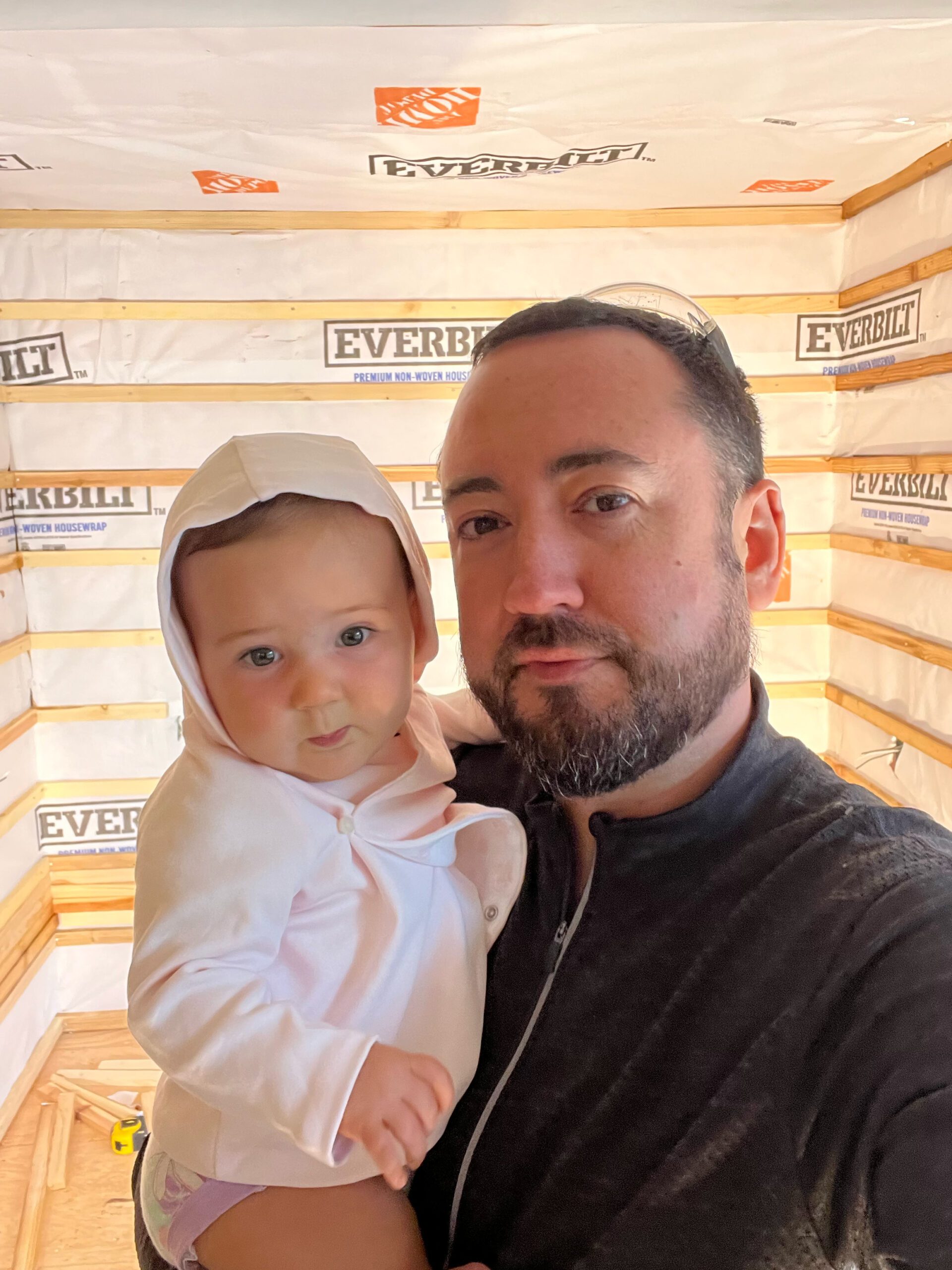
Founder & Lead Designer, SaunaCloud®
3,000+ custom saunas built since 2014 · Author of The Definitive Guide to Infrared Saunas · Featured in Forbes, Inc., and MSN
Chris has been designing and building custom infrared saunas since 2014. He wrote one of the first comprehensive books on infrared sauna therapy and is personally involved in every SaunaCloud build — from design consultation through delivery and beyond.
Continue Reading
Infrared Saunas and Heat Shock Proteins: Your Body's Cellular Repair System (2026)
Read article
How Infrared Saunas Calm Your Nervous System: The Autonomic Rebalancing That Underlies Every Benefit (2026)
Read article
Infrared Sauna for Muscle Recovery: What a 40-Athlete Study Actually Found (2026)
Read articleBuild the Foundation of Your Contrast Therapy Practice
The sauna is the daily-use foundation. Cold can be as simple as a cold shower. Custom designed VantaWave® far-infrared for the heat side of the equation.