
Infrared Saunas and Sleep: The Science of Why Heat Therapy Works (2026)
Key Takeaways
- A Finnish study found sauna sessions increased deep sleep by over 70% in the first two hours and 45% in the first six hours — while reducing time spent awake
- 83.5% of sauna users globally report improved sleep, making it the most consistently noticed benefit across all published surveys (Global Sauna Survey, 2019)
- A 2024 study found salivary melatonin levels rose 64% after a single 45-minute infrared session — a direct biological mechanism for improved sleep onset
- The core mechanism is thermoregulation: sauna raises core temp 2-3°F, then the post-session cooling triggers your brain's sleep initiation signals more powerfully than normal
- Timing matters: use your sauna 1-2 hours before bed for optimal results — the Binghamton weight loss study also found evening sessions produced better outcomes
Sleep is the most consistent benefit I've experienced over 12 years of using infrared saunas. Not weight loss. Not pain relief. Not cardiovascular health — though I've experienced all of those. The connection between infrared saunas and sleep is so reliable that I notice the difference within hours if I skip a session.
Before 2012, I was a terrible sleeper. It would take me 45-60 minutes to fall asleep. My mind would race — replaying conversations, planning tomorrow, worrying about the business. I'd wake up 2-3 times per night and often couldn't get back to sleep. I tried melatonin, magnesium, sleep apps, blackout curtains, blue light glasses, meditation. Some helped marginally. Nothing fixed it.
The first night after my first infrared sauna session, I fell asleep within 10 minutes. I woke briefly around 3 AM, rolled over, and immediately fell back asleep. When my alarm went off at 7, I felt actually rested — for the first time in years. I thought it was a fluke. But it happened again the next night. And the next. And every night I used the sauna.
After talking to hundreds of customers over 12 years, the consistency is remarkable: better sleep is almost always the first benefit people notice, usually within the first week. Here's why it works.
Why your body sleeps better after heat exposure
Here's a sleep fact that explains everything: your body needs to drop its core temperature by 2-3°F to initiate and maintain deep sleep. This temperature drop is one of the primary signals your brain uses to switch from wakefulness to sleep. It's why you sleep better in a cool room.
When you use an infrared sauna, you temporarily raise your core temperature by 2-3°F. After you exit, your body initiates an aggressive cooling response — vasodilation pushes blood to your skin surface to release heat, and your core temperature drops more steeply than it would naturally.
This creates an amplified version of your body's natural sleep signal. The steeper the temperature drop, the stronger the signal. Your brain responds by producing more melatonin and initiating sleep processes earlier and more powerfully.
Research in Sleep Medicine Reviews confirmed that passive body heating 1-2 hours before bed significantly improves sleep onset latency (how quickly you fall asleep) and sleep efficiency (the proportion of time actually sleeping vs lying awake).
What the research shows about sauna and sleep
70% more deep sleep
A Finnish study by Putkonen and Elomaa monitored sleep patterns after sauna sessions and found results that surprised even the researchers: deep sleep increased by over 70% in the first two hours after sauna use, and by 45% in the first six hours. Time spent awake after falling asleep decreased significantly.
Deep sleep (slow-wave sleep) is when your body does its most critical repair work — tissue regeneration, immune system strengthening, memory consolidation, and growth hormone release. Getting 70% more of it isn't a marginal improvement — it's transformative.
83.5% of sauna users report better sleep
The Global Sauna Survey — the largest survey of sauna users ever conducted — found that 83.5% of respondents reported improved sleep lasting 1-2 nights after sauna use. Sleep improvement was the most commonly cited benefit across all demographics. That consistency across 482 respondents from multiple countries is significant.
64% increase in melatonin production
A 2024 study from the Alabama College of Osteopathic Medicine found that salivary melatonin levels rose 64% — from 8.8 pg/ml to 14.4 pg/ml — after a single 45-minute full-spectrum infrared session. This is a direct biological mechanism: infrared exposure triggers your body to produce more of the hormone that regulates your sleep-wake cycle.
The Swedish MONICA study (2024)
A 2024 study from northern Sweden (MONICA study) found that regular sauna bathers reported significantly better sleep quality and higher general well-being compared to non-users. This is one of the first population-level studies linking habitual sauna use to sustained sleep improvement.
Four ways infrared saunas improve your sleep
1. Thermoregulation (covered above)
2. Parasympathetic nervous system activation
Most of us spend too much time stuck in sympathetic (fight-or-flight) mode — stressed at work, scrolling news, worrying about money. Even when physically at rest, our nervous system stays on high alert. Infrared therapy is one of the most effective ways to force the switch to parasympathetic (rest-and-digest) dominance. The gentle heat, quiet environment, and physical stillness signal safety to your nervous system. Research shows regular sauna use reduces sympathetic activity, increases parasympathetic tone, improves heart rate variability, and lowers nighttime cortisol.
3. Melatonin production
Beyond the direct 64% melatonin increase measured in the 2024 study, there's an emerging mechanism called 'extra-pineal melatonin' — near-infrared and red light wavelengths may stimulate melatonin synthesis in mitochondria throughout the body, not just in the pineal gland. This is still early research, but it suggests an additional pathway by which infrared exposure supports sleep.
4. Pain reduction
Pain is one of the most common causes of poor sleep. Whether it's chronic back pain, arthritis, or muscle tension, discomfort keeps you awake and prevents deep sleep stages. Infrared therapy's endorphin release and anti-inflammatory effects directly reduce the physical barriers to restful sleep.
The evening sleep protocol
The timing is critical. Use your sauna 1-2 hours before bed. Any earlier and the enhanced cooling effect wears off before you try to sleep. Any later and you may still be too warm — the opposite of what you want.
I do my sessions at 6-7 PM with a 10 PM bedtime. That gives my body the full cooling window. On nights when I push the session to 8:30 PM, I actually sleep slightly worse — too close to bedtime.
The Binghamton weight loss study found the same timing effect: evening sessions (after 3 PM) produced better overall results than morning sessions. The sleep improvement from evening timing likely contributed to the superior fat loss outcomes.
Frequently Asked Questions
Most people notice improvement within the first week — often after the very first session. The 70% deep sleep increase was measured after a single session. However, the strongest and most consistent sleep benefits build over 2-4 weeks of regular evening use.
1-2 hours before your target bedtime. This allows your core temperature to complete its cooling cycle right as you're getting into bed. If your bedtime is 10 PM, aim for a session ending around 8-8:30 PM.
Morning sessions provide other benefits (energy, alertness, cardiovascular conditioning) but the thermoregulation sleep effect is time-sensitive — it only lasts a few hours. For sleep specifically, evening sessions are significantly more effective.
They work through different but complementary mechanisms. Melatonin supplements provide the hormone directly. Infrared sauna triggers your body to produce 64% more melatonin naturally while also activating thermoregulation, parasympathetic response, and pain reduction. Many of our customers find they no longer need melatonin supplements after establishing a consistent evening sauna routine.
Pain reduction is only one of four mechanisms. Even without pain, the thermoregulation effect (steeper core temperature drop), parasympathetic activation (nervous system shift from alert to relaxed), and melatonin boost all improve sleep independently. The 83.5% sleep improvement rate from the Global Sauna Survey included many participants without chronic pain.
No — infrared therapy isn't creating artificial sleep dependence. It's supporting your body's natural thermoregulation and hormonal rhythms. If you miss a session, you'll still sleep — just not as deeply. This is similar to how exercise improves sleep without creating dependency.
Yes — each person just times their session 1-2 hours before their own bedtime. Many couples use the sauna at different times. Our custom saunas are designed for this flexibility.
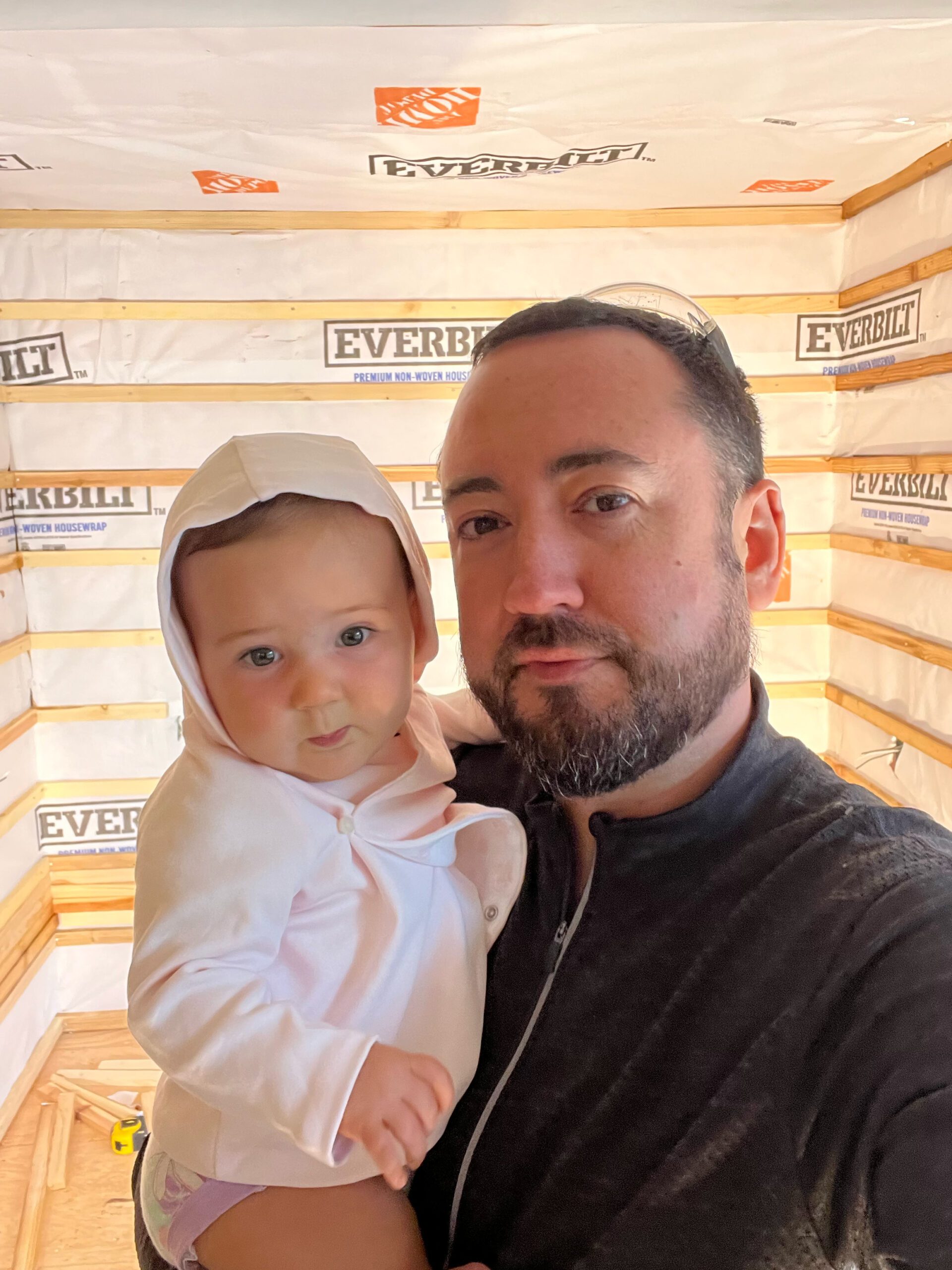
Founder & Lead Designer, SaunaCloud®
3,000+ custom saunas built since 2014 · Author of The Definitive Guide to Infrared Saunas · Featured in Forbes, Inc., and MSN
Chris has been designing and building custom infrared saunas since 2014. He wrote one of the first comprehensive books on infrared sauna therapy and is personally involved in every SaunaCloud build — from design consultation through delivery and beyond.
Continue Reading
Infrared Sauna Health Benefits: The Complete Science-Backed Guide (2026)
Read article
Infrared Saunas and Your Nervous System: The Science of the Parasympathetic Shift (2026)
Read article
Infrared Sauna Weight Loss: The Honest Guide to What Works (2026)
Read articleReady for the Best Sleep of Your Life?
Design a custom infrared sauna for your home — most customers report improved sleep within the first week of daily evening use.