
Hot Yoga and Infrared Sauna: Why Radiant Heat Changes the Practice (2026)

Key Takeaways
- Infrared heats muscles through radiant energy while keeping air breathable. Traditional hot yoga heats the AIR to 105°F with humidity — suffocating for deep pranayama breathing. Many studios are switching to infrared because practitioners hold poses longer and breathe more comfortably
- Heat increases tissue extensibility — real physiology, not perception. Collagen fibers become more pliable above 104°F. Blood flow increases, muscle spindle sensitivity decreases. Heated practice means SAFER stretching — tissues can lengthen more before reaching injury threshold
- 10-15 min infrared session BEFORE yoga pre-heats tissues equivalently to 15-20 min light cardio warm-up. Particularly valuable for morning practitioners going from bed to mat — cold, stiff bodies get the temperature boost before first downward dog
- Sauna AFTER yoga deepens the parasympathetic response from savasana, activates HSPs from sustained heat, and supports recovery from intense practices. The meditative state carries seamlessly into the sauna
- A custom SaunaCloud sauna at 5x7 or 6x8 feet provides enough floor space for seated and supine yoga — a private heated studio in your home. No membership, no scheduling, practice whenever you want
If you practice yoga and you use an infrared sauna, you've probably wondered: what happens when you combine them? The answer depends on timing — before, during, or after your practice — and on understanding why infrared heat is fundamentally different from the convective heat used in traditional hot yoga studios.
Infrared vs convective heat for yoga
Traditional hot yoga (Bikram-style) uses forced hot air — typically 105°F at 40% humidity. The air itself is the heating medium. The result: breathing can feel labored (especially during pranayama), sweat doesn't evaporate efficiently in humid air, and the sensation can feel suffocating rather than warming.
Infrared heated yoga uses radiant heat panels that warm your body directly through electromagnetic absorption. The air stays drier and more breathable. Your muscles warm from the inside through circulatory heat transport. Sweat evaporates normally. Several yoga studios have switched to infrared specifically because practitioners report holding poses longer and breathing more comfortably — the therapeutic heat without the respiratory strain.
The flexibility mechanism: real physiology, not just feeling loose
Heat increases tissue extensibility through measurable physiological changes. Collagen fibers in tendons, ligaments, and fascia become more pliable at tissue temperatures above 40°C (104°F). Blood flow to muscles increases through vasodilation, delivering more oxygen and removing metabolic waste. Muscle spindle sensitivity decreases — meaning your stretch reflex fires LATER, allowing greater range of motion before the protective 'that's far enough' signal activates.
This means heated practice produces SAFER stretching. Your tissues can lengthen more before reaching their injury threshold. The flexibility gains from a heated session aren't just perception — they're measurable changes in tissue mechanics. This is why arthritis and chronic pain patients benefit from heat before movement.
Sauna before yoga: the pre-heat warm-up
A 10-15 minute infrared sauna session before yoga pre-heats your tissues — achieving the flexibility benefits of heat without needing a heated studio. Core temperature rises 0.5-1°C, producing systemic tissue warming equivalent to 15-20 minutes of light cardio warm-up. Reduces injury risk during your first poses, when cold muscles are most vulnerable.
This is particularly valuable for morning practitioners who go from bed to mat. Your cold, stiff morning body gets the tissue temperature boost it needs before the first sun salutation. Step out of the sauna, walk to your mat, and begin practice with tissues already at optimal extensibility.
Sauna after yoga: deepening the practice
Post-practice sauna serves a different purpose: extending the relaxation, deepening the parasympathetic response initiated during savasana, and adding heat shock protein activation from sustained core temperature elevation (yoga alone may not maintain core temp long enough for robust HSP production).
For recovery from intense practices — ashtanga, power vinyasa, demanding Iyengar sequences — post-practice sauna reduces delayed-onset muscle soreness. And the meditative state from practice carries seamlessly into the sauna — many practitioners describe this combination as the deepest relaxation experience available to them.
Yoga inside your sauna
Poses that work inside a sauna (space-dependent): seated postures (sukhasana, lotus, bound angle), supine postures (supta baddha konasana, legs-up-the-wall, savasana), gentle seated twists, forward folds, cat-cow on all fours, and pranayama breathwork. Full vinyasa flow requires more space than most saunas offer — but the gentle, restorative, and yin yoga repertoire fits beautifully.
Keep temperature moderate during in-sauna practice (120-130°F) — you're adding the metabolic heat of physical movement to the infrared heat. Hydrate aggressively. Sessions of 20-30 minutes combining gentle poses with heat exposure provide both the tissue extensibility benefits AND the neurochemical benefits.
Your private heated yoga studio
A custom SaunaCloud sauna sized at 5x7 or 6x8 feet provides enough floor space for a full seated and supine yoga practice. No studio membership ($150+/month), no scheduling around class times, no commute. Practice in infrared heat at 6 AM or 10 PM, alone, in silence, in your own home. The cedar-scented, warm, quiet environment IS the ideal yoga space — and it doubles as your daily sauna practice.
Safety for heated practice
Don't overstretch just because it feels easy. Heat makes tissues more pliable — which means you can push past your normal range without the usual warning signals. This creates injury risk if you interpret 'I can go deeper' as 'I should go deeper.' Stay within 80% of your felt range in heated practice. The flexibility is real but the structural limits of your joints haven't changed.
Hydrate more than for either activity alone — you're sweating from heat AND from physical exertion. Lower sauna temperature if combining with movement (120-130°F vs 140°F for static sitting). Watch for dizziness or nausea — the combined heat load is higher than either alone.
Frequently asked questions
Frequently Asked Questions
Different experiences. Traditional Bikram (convective heat, high humidity) produces intense sweating and a very challenging environment. Infrared (radiant heat, dry air) warms tissues effectively while keeping air breathable — most practitioners find it more comfortable for sustained practice and deeper breathing. If you find traditional hot yoga suffocating, infrared may be your answer.
Both work, for different purposes. Before: pre-heats tissues for safer stretching, particularly valuable for morning practice. After: deepens parasympathetic relaxation, adds HSP activation, supports recovery from intense practices. If you have to choose one: after, because the meditative carryover from savasana into sauna is uniquely powerful.
A full vinyasa flow requires more space than most saunas offer. But seated postures, supine postures, gentle twists, forward folds, pranayama, and yin/restorative poses work beautifully inside a 5x7 or larger sauna. The limitation is standing poses and transitions that need room to move. Think of it as a heated space for your gentler practice, not a replacement for your full flow.
Lower than your normal sitting-still temperature. 120-130°F for in-sauna practice (vs 135-150°F for static sessions). You're adding metabolic heat from movement to the infrared heat — the combined load is higher. If you're pre-heating before yoga outside the sauna, normal temperatures are fine for a 10-15 minute warm-up session.
The acute flexibility gains from heat are temporary — they last while your tissues are warm. But consistent heated practice over weeks and months can produce lasting flexibility improvements by gradually remodeling connective tissue at its new, extended length. The heat creates the window; the consistent practice creates the adaptation. Like any flexibility training, it's the repetition that matters.

Founder & Lead Designer, SaunaCloud®
3,000+ custom saunas built since 2014 · Author of The Definitive Guide to Infrared Saunas · Featured in Forbes, Inc., and MSN
Chris has been designing and building custom infrared saunas since 2014. He wrote one of the first comprehensive books on infrared sauna therapy and is personally involved in every SaunaCloud build — from design consultation through delivery and beyond.
Continue Reading
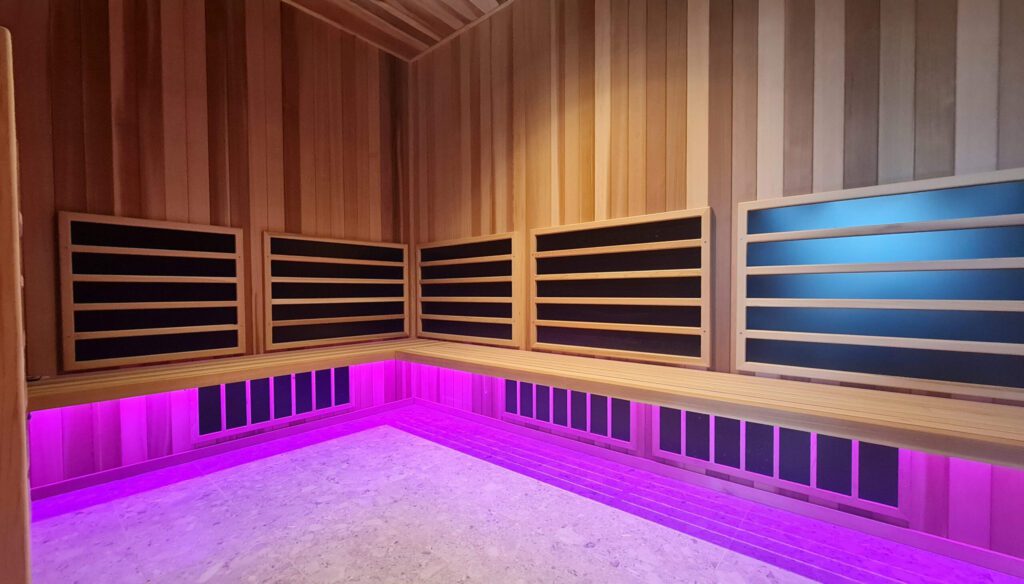
Infrared Sauna and Meditation: Your Sauna Is Already a Meditation Device (The Neuroscience Proves It) (2026)
Read article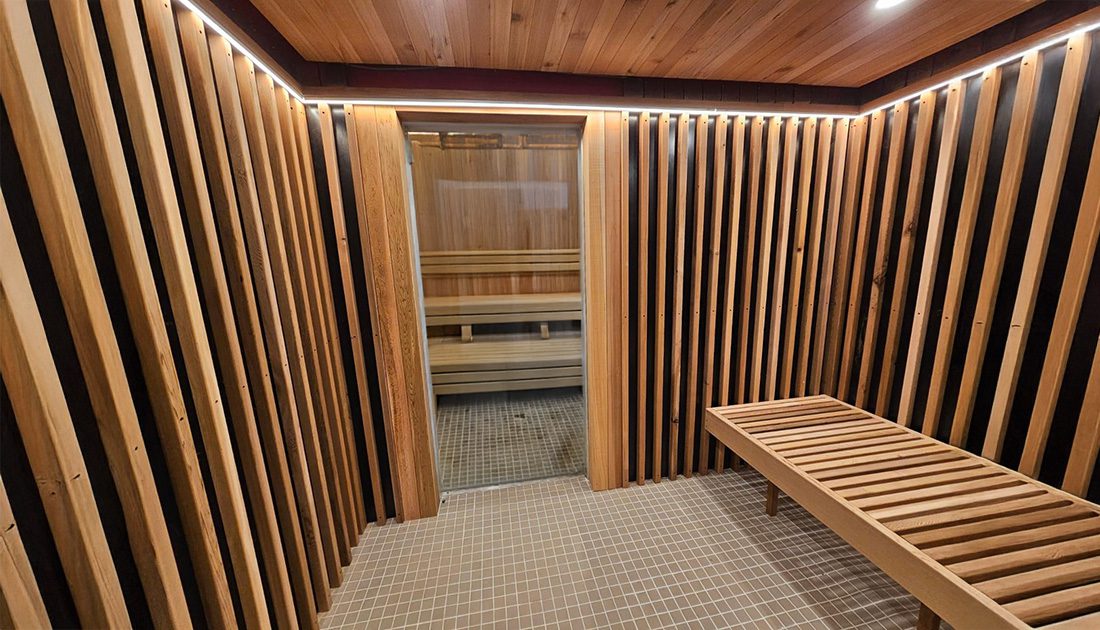
How Infrared Saunas Calm Your Nervous System: The Autonomic Rebalancing That Underlies Every Benefit (2026)
Read article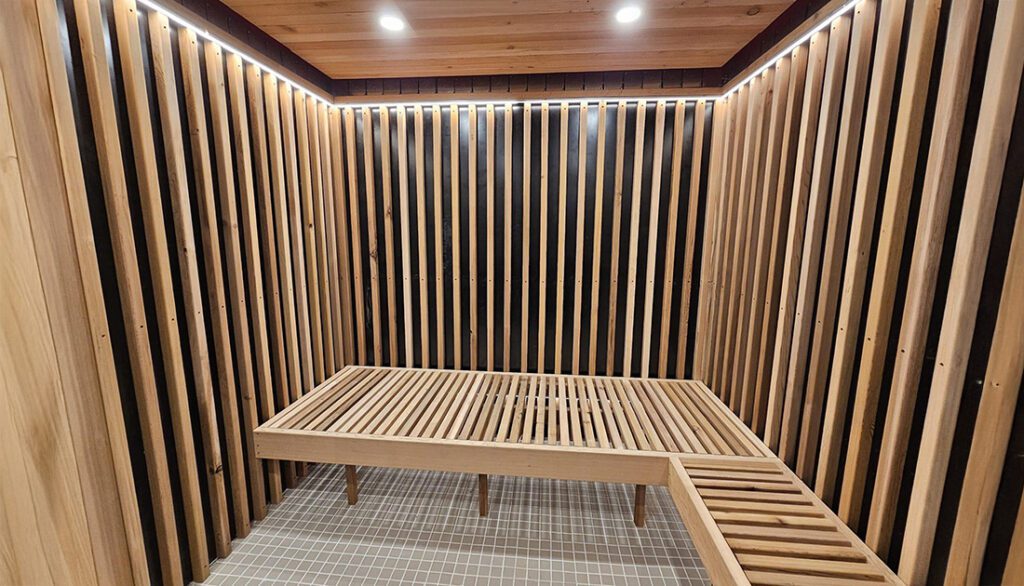
Infrared Sauna for Muscle Recovery: What a 40-Athlete Study Actually Found (2026)
Read articleDesign a Sauna With Space for Your Practice
Custom sized for seated and supine yoga — your private heated studio in cedar, available every morning and every evening.