
How to Clean Your Infrared Sauna: The 'Less Is More' Guide to Cedar Care (2026)

Key Takeaways
- The #1 cleaning mistake: OVERCLEANING with harsh chemicals. Cedar is naturally antimicrobial (thujaplicins kill bacteria and resist mold). Sauna heat kills most pathogens. Using bleach, ammonia, or commercial cleaners introduces chemicals that off-gas at sauna temperatures — you'll breathe them during your next session
- After-every-session protocol (2 minutes): wipe bench with damp cloth, leave door ajar 15-30 minutes for moisture to escape. If you use a towel barrier (recommended), even less wiping needed. That's it. Most sessions require nothing more
- Monthly deep clean (15 minutes): wipe all interior surfaces with 50/50 white vinegar and water. Wipe heater panels with dry soft cloth. Check floor for moisture, inspect door seal, verify ventilation is clear
- Annual refresh (1 hour): light sanding of bench surfaces with 220-grit to remove body oil buildup and restore cedar scent. Inspect wood joints. Clean exterior. Visual check of electrical connections
- NEVER use: bleach (off-gases chlorine at heat), ammonia cleaners (toxic fumes), oil-based products (absorb into wood permanently), polyurethane/sealant (traps chemicals that off-gas), pressure washing (damages wood grain), abrasive scrubbers on heater panels (scratches surface)
The most common cleaning mistake with infrared saunas isn't neglect — it's overcleaning with the wrong products. Western Red Cedar contains thujaplicins — natural antimicrobial compounds that kill bacteria and resist mold. Your sauna's operating temperature (130-150°F) kills most pathogens during every session. The wood IS the cleaning system.
Using bleach, ammonia, or commercial cleaners inside a sauna introduces chemicals that absorb into the wood and off-gas at elevated temperatures during your next session. You'll be breathing chlorine fumes or ammonia vapor while trying to do something healthy. Less is genuinely more.
After every session (2 minutes)
Wipe the bench and backrest with a damp (not soaking) cloth to remove sweat and body oils. Leave the sauna door ajar for 15-30 minutes so moisture can escape and air can circulate — this prevents any mildew from developing. If you sit on a towel barrier during sessions (recommended), even less wiping is needed since most sweat never reaches the wood. That's the entire post-session protocol.
Monthly deep clean (15 minutes)
Wipe all interior surfaces with a solution of 50/50 white vinegar and water. Alternatively: a few drops of tea tree oil in water (natural antimicrobial). Wipe heater panels with a dry soft cloth to remove dust buildup. Check the floor for accumulated moisture or debris. Inspect the door seal for gaps or wear — a deteriorating seal is the #1 cause of temperature problems. Verify the ventilation pathway is clear and unobstructed.
Annual refresh (1 hour)
Light sanding of bench surfaces with 220-grit sandpaper. This removes body oil buildup that darkens the wood, refreshes the surface texture, and — the bonus — temporarily restores the beautiful cedar scent. Inspect all visible wood joints for loosening. Clean exterior surfaces. Visual check of electrical connections (if anything looks scorched, discolored, or loose, call SaunaCloud at 800-370-0820 or a licensed electrician). Replace any worn towel barriers.
What NEVER to use inside your sauna
These products create toxic fumes at sauna temperatures: Bleach (off-gases chlorine). Ammonia-based cleaners (toxic vapor). Oil-based cleaners or polishes (absorb into wood, off-gas permanently). Polyurethane, varnish, stain, or any sealant (traps chemicals that release with heat). Also avoid: pressure washing (damages wood grain, forces water into joints) and abrasive scrubbers on heater panels (scratches the emitting surface).
The only cleaning products that belong inside your sauna: water, white vinegar, tea tree oil, and a soft cloth. Everything else introduces chemicals you don't want to inhale at 135°F.
The towel barrier system
The simplest way to keep your sauna clean: sit on a large towel that covers the bench and backrest. Replace after every session. This prevents most body oil and sweat from ever reaching the wood — reducing cleaning to an occasional wipe rather than a scrubbing project. Use natural-fiber towels (cotton, linen) without chemical fabric softener residue. Dedicated sauna towels washed separately from your regular laundry are ideal.
Sweat stains and darkening
Over time, even with towel barriers, some body oil will reach the wood. This causes gradual darkening — especially on bench surfaces where you sit. This is cosmetic, not structural. It doesn't affect performance or safety. Light sanding (220-grit) during your annual refresh addresses it. Some people love the patina of a well-used sauna — the wood tells the story of thousands of sessions.
Mold prevention
Mold in a sauna is almost always a ventilation issue, not a cleaning issue. Cedar resists mold naturally. Sauna heat kills mold spores during operation. The only scenario where mold develops: moisture is trapped inside the cabin after sessions because the door was closed immediately, trapping humid air. The fix: leave the door ajar for 15-30 minutes after every session. If mold does appear (typically in corners or beneath benches), light sanding removes it — then improve your ventilation habit.
Frequently asked questions
Frequently Asked Questions
No. Commercial disinfectant wipes contain chemicals (quaternary ammonium compounds, bleach, fragrances) that absorb into the wood and off-gas at sauna temperatures. You'll breathe these chemicals during your next session. Cedar is naturally antimicrobial and the sauna's operating heat kills most pathogens — chemical disinfection is unnecessary and counterproductive.
Sweat odor comes from bacteria breaking down body oils absorbed into the wood. Solution: wipe benches after every session (prevents oil buildup), ventilate after every session (prevents bacteria growth), and light sand annually (removes the accumulated oil layer). White vinegar solution addresses mild odor between sandings. The natural cedar scent generally predominates when the wood is properly maintained.
No — never apply sealant, polyurethane, varnish, or any coating to interior sauna wood. These products off-gas toxic fumes at sauna temperatures. Cedar's natural properties (antimicrobial thujaplicins, moisture resistance, dimensional stability) make sealant unnecessary. The wood is designed to be exposed and breathing — sealing it defeats these natural advantages.
No — dark stains are body oil that has absorbed into the wood surface. This is cosmetic, not structural. Light sanding with 220-grit sandpaper removes the darkened layer and reveals fresh cedar underneath. It's a 15-minute job during your annual refresh. Using a towel barrier during sessions prevents most staining going forward.
Gently wipe with a dry, soft cloth to remove dust. Never use chemical cleaners, water spray, or abrasive materials on heater surfaces. Dust buildup on panels can create a brief burning smell when the sauna first heats up — a gentle dry wipe prevents this. If a panel shows discoloration, bubbling, or physical damage, contact SaunaCloud for assessment.

Founder & Lead Designer, SaunaCloud®
3,000+ custom saunas built since 2014 · Author of The Definitive Guide to Infrared Saunas · Featured in Forbes, Inc., and MSN
Chris has been designing and building custom infrared saunas since 2014. He wrote one of the first comprehensive books on infrared sauna therapy and is personally involved in every SaunaCloud build — from design consultation through delivery and beyond.
Continue Reading
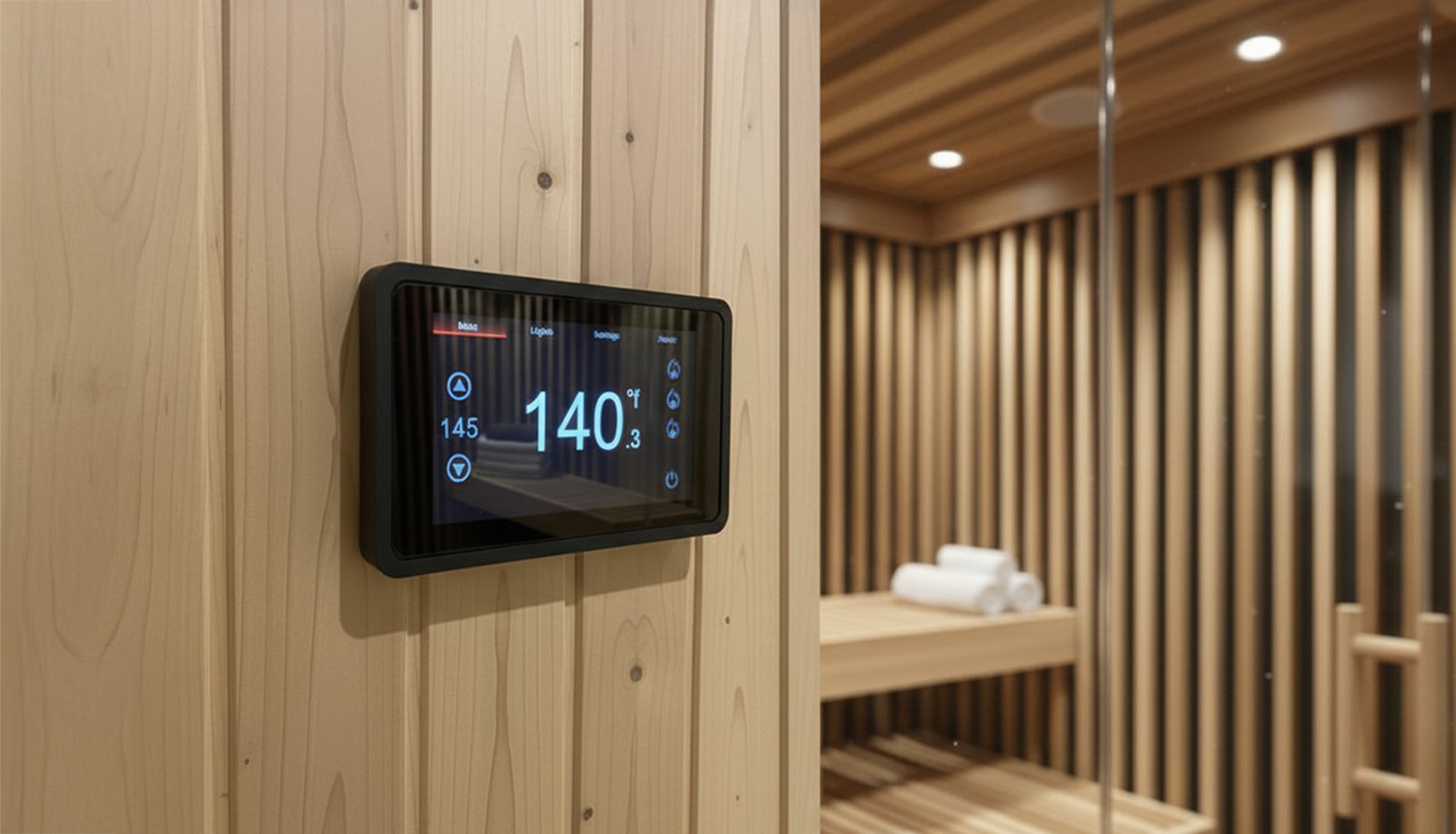
Infrared Sauna Maintenance & Repair Guide: Troubleshooting, Wood Care, and When to Call for Help (2026)
Read article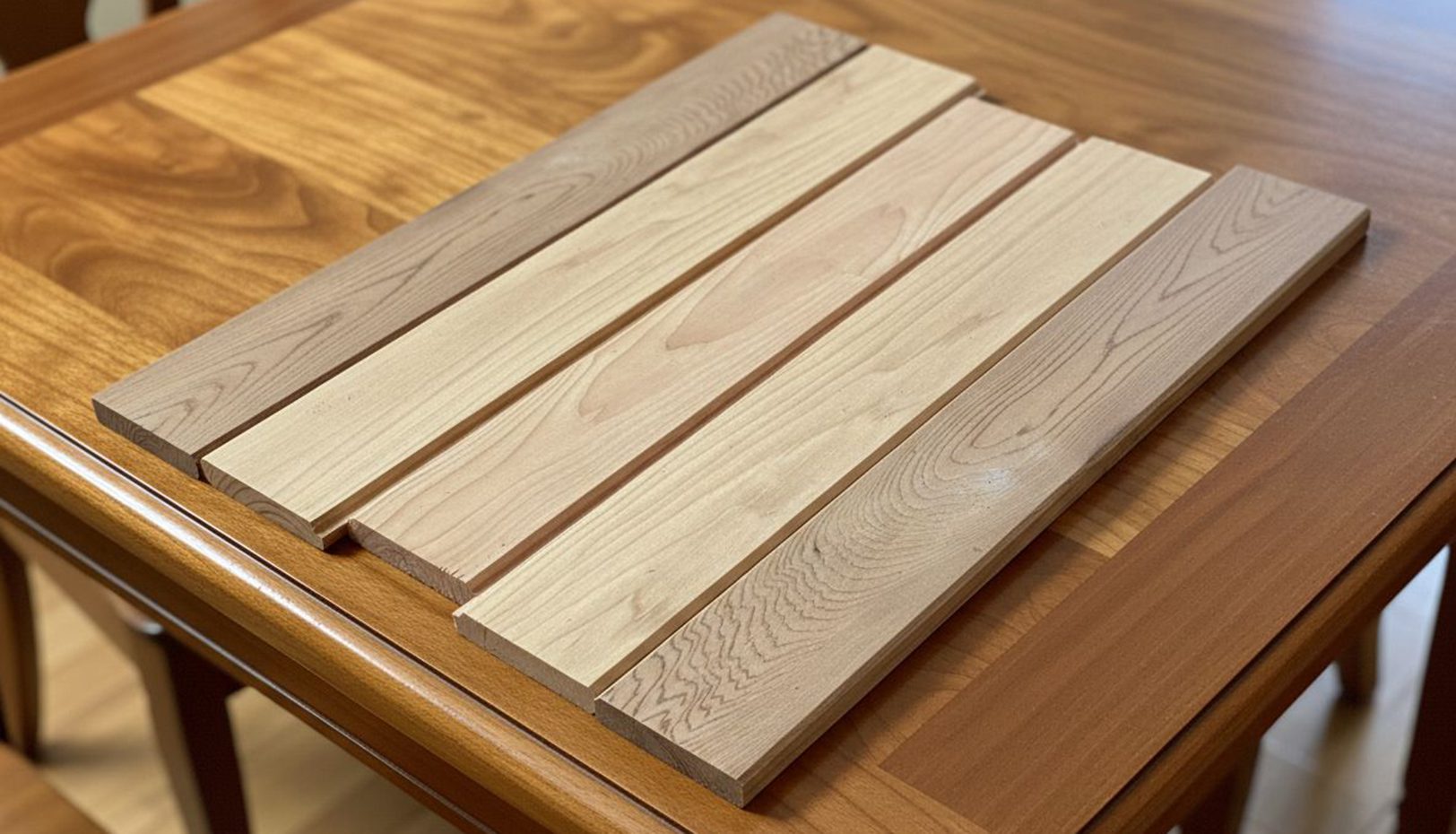
Is Cedar Safe for Infrared Saunas? The Material Science Behind Your Sauna Wood (2026)
Read article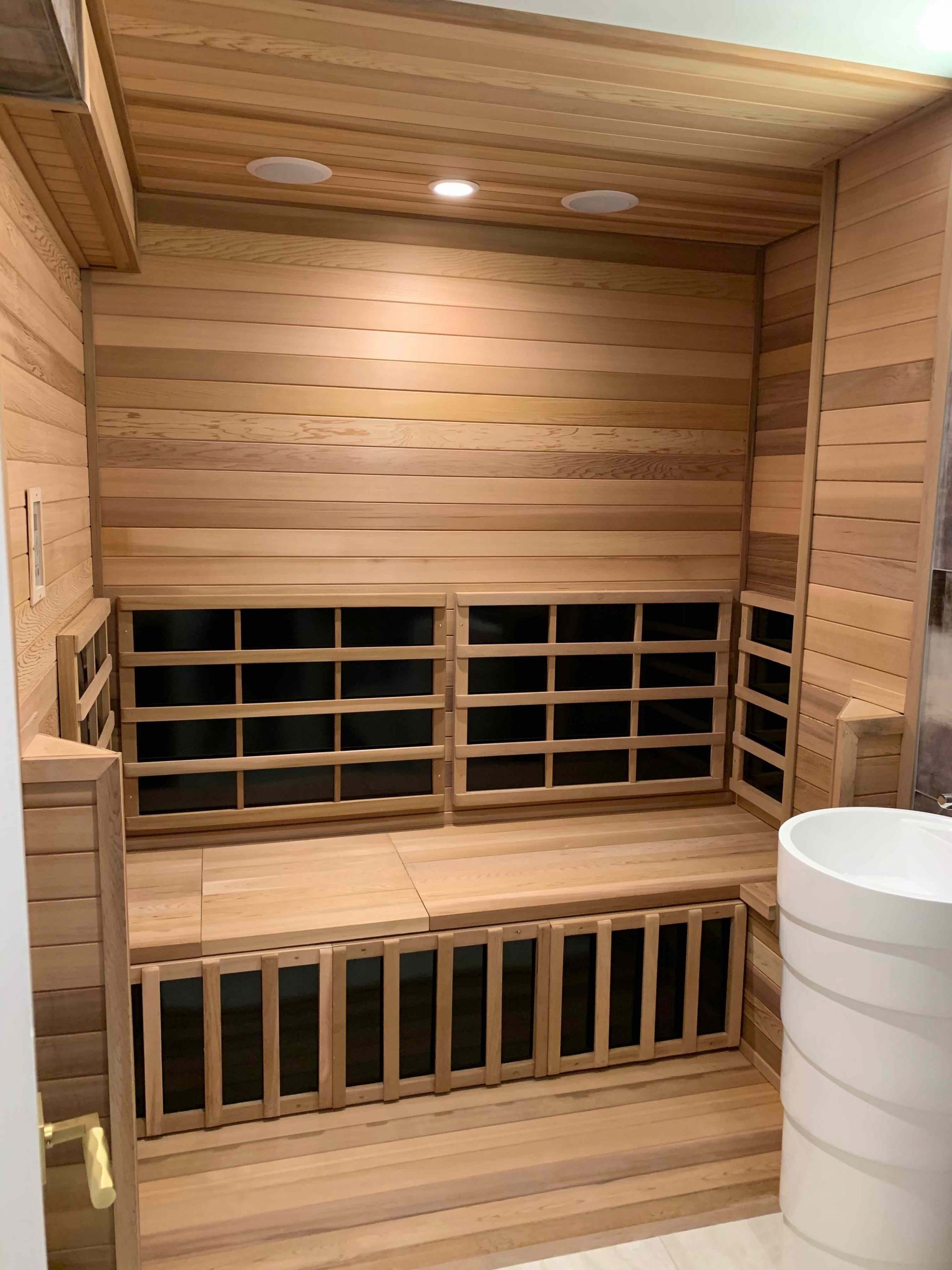
Infrared Sauna Tips: Your First 30 Days and the Mistakes to Avoid (2026)
Read articleCedar That Cleans Itself (Almost)
Western Red Cedar's natural antimicrobial properties do most of the work. Your job: wipe, ventilate, and sand once a year. Custom designed for decades of low-maintenance daily use.