
Hyperthermia and Far Infrared Sauna Therapy: The Complete Science of Healing with Heat

Key Takeaways
- Therapeutic hyperthermia operates at three levels: mild (99-101 degrees F core temp, achievable with an infrared sauna), moderate (101-104 degrees F, clinical settings), and severe (104-108 degrees F, hospital cancer treatment). The vast majority of health benefits occur at the mild level — safely achievable at home
- Heat shock proteins (especially HSP70) are triggered by raising core temperature just 2-3 degrees F. They protect proteins from misfolding, help the immune system identify threats, inhibit inflammatory NF-kB signaling, protect gut lining integrity, and support cardiovascular function
- The Laukkanen studies (2,315 men, 20-year follow-up, JAMA Internal Medicine) found 4-7 sauna sessions per week reduced cardiovascular mortality by 50%, all-cause mortality by 40%, stroke risk by 60%, and Alzheimer's risk by 65%
- Hormesis explains why controlled heat stress makes you stronger — mild stress triggers a disproportionately large protective response including immune activation, HSP production, and cardiovascular adaptation. The key is controlled, moderate stress — not extreme
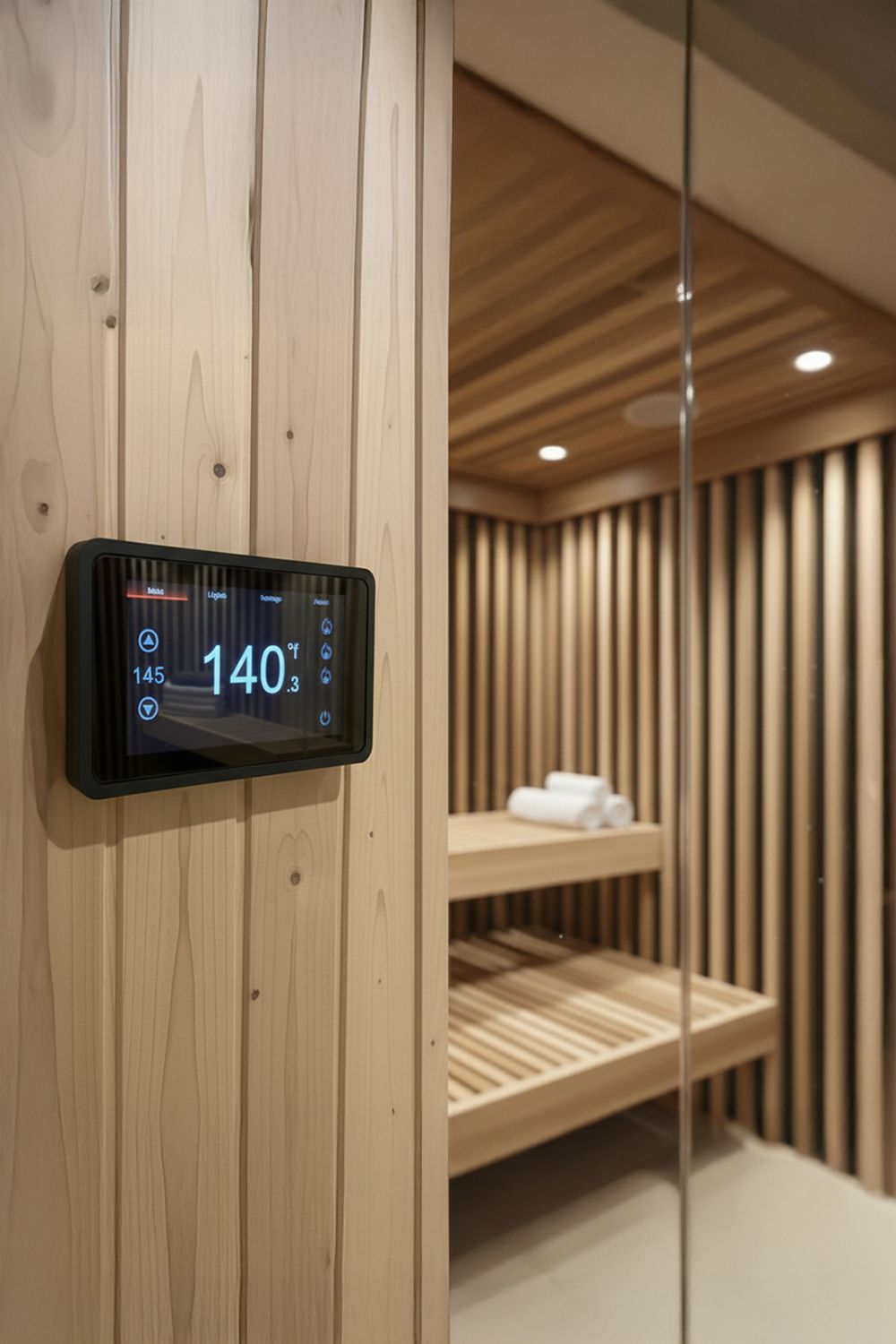
- Waon therapy (developed at Kagoshima University, Japan) uses far infrared at 140 degrees F for 15 minutes plus 30 minutes of blanket rest. It's the closest clinical model to home infrared sauna therapy and has shown dramatic improvements in heart failure patients
In 400 BC, Hippocrates wrote: "Give me the power to produce a fever and I shall cure all disease." Twenty-four hundred years later, we're still catching up to what he understood intuitively — that heat is medicine.
Every civilization on Earth independently discovered heat therapy. Finnish saunas, Roman baths, Russian banyas, Japanese onsen, Native American sweat lodges, Turkish hammams, Korean jjimjilbangs — separated by oceans, centuries, and entirely different medical traditions, yet all arrived at the same conclusion: controlled heat exposure heals. That kind of cross-cultural convergence doesn't happen by accident. It happens because it works.
This article is the foundational science reference for everything else on this site. If you want to understand why infrared sauna therapy produces the cardiovascular, immune, neurological, and anti-inflammatory benefits documented in the research — the mechanism underneath all of it is therapeutic hyperthermia. Here's how it works.
What is therapeutic hyperthermia
Therapeutic hyperthermia is the deliberate elevation of body temperature above its normal set point (98.6°F / 37°C) for health benefits. This is not to be confused with uncontrolled hyperthermia — heatstroke — which is a medical emergency. Therapeutic hyperthermia is controlled, intentional, time-limited, and has a medical history stretching back millennia.
Before antibiotics existed, induced fever was a legitimate, mainstream medical treatment. In 1927, Julius Wagner-Jauregg won the Nobel Prize in Medicine for developing "fever therapy" to treat neurosyphilis — he intentionally infected patients with malaria to induce high fevers that killed the syphilis bacteria. It was brutal, it was dangerous, and it worked. Modern therapeutic hyperthermia achieves the same immune activation with far less drama.
There are three distinct levels of therapeutic hyperthermia, and understanding where infrared sauna therapy falls is essential for both safety and realistic expectations:
The Three Levels of Therapeutic Hyperthermia
Higher is not better — mild is where most benefits occur
Severe / Clinical Hyperthermia
104-108°F core temp
Hospital cancer treatment
Directly damages cancer cells. Intensive medical supervision required.
Moderate Hyperthermia
101-104°F core temp
Clinical Waon therapy range
Significant immune modulation, pathogen inhibition. Medical monitoring recommended.
Mild Hyperthermia
99-101°F core temp
Infrared sauna range
HSP production, immune activation, cardiovascular benefit. Safe for home use.
Normal body temperature: 98.6°F / 37°C
Mild hyperthermia (99-101°F core temperature)
This is what you achieve in an infrared sauna. A 30-45 minute session at 135-145°F cabin temperature raises your core body temperature by 2-3°F — enough to trigger heat shock protein production, increase immune cell activity, improve circulation, reduce inflammation, and produce cardiovascular conditioning equivalent to moderate exercise. Safe for home use without medical supervision for most healthy adults.
Moderate hyperthermia (101-104°F core temperature)
Used in some clinical settings for more significant immune modulation and pathogen inhibition. Waon therapy — the Japanese clinical model we'll discuss in detail — operates at the lower end of this range. Moderate hyperthermia produces more aggressive immune activation but requires careful monitoring. This is not typical of home infrared sauna use, though extended sessions at higher temperatures can approach the lower boundary.
Severe/clinical hyperthermia (104-108°F core temperature)
This is a hospital procedure used as an adjunct to cancer treatment. At these temperatures, cancer cell structures are directly damaged because tumor cells have impaired heat dissipation compared to healthy tissue. It requires intensive medical supervision, IV hydration, continuous core temperature monitoring, and careful management. This is NOT what an infrared sauna does. It's important to be clear about this — infrared sauna therapy operates in the mild hyperthermia range, and that's where the vast majority of documented health benefits occur.
Why your body raises its temperature when you're sick
Before we discuss artificially raising body temperature, it's worth understanding why your body does it naturally — because the answer reveals something profound about heat as medicine.
When your immune system detects an infection, one of its first responses is to raise your body temperature. We call this a fever, and modern medicine's reflexive response is to suppress it with acetaminophen or ibuprofen. But the fever itself is the treatment. Here's what happens when your temperature rises even 2-3°F:
- Pathogen replication slows dramatically. Most bacteria, viruses, and fungi are optimized for 98.6°F. Even a small temperature increase significantly impairs their ability to reproduce
- Immune cells accelerate. White blood cells move faster, divide more quickly, and produce more antibodies at elevated temperatures. Your immune army literally speeds up
- Heat shock proteins are produced (more on these in the next section), which help immune cells present antigens — the molecular signatures that identify invaders — more effectively
- Iron availability decreases. At higher temperatures, your body sequesters iron more aggressively. Many bacteria depend on iron for growth — fever starves them
- Interferon production increases. Interferons are antiviral proteins that signal neighboring cells to mount defenses against viral infection
The fever response is so important that it's conserved across virtually all animal species. Fish, reptiles, amphibians, birds, and mammals all develop fevers when infected. Even cold-blooded animals will seek warmer environments when sick — a behavior called "behavioral fever." Evolution doesn't maintain expensive metabolic mechanisms for hundreds of millions of years without a compelling survival advantage.
Therapeutic hyperthermia — including infrared sauna therapy — triggers many of these same immune responses without requiring an actual infection. You get the benefits of a fever without being sick.
Heat shock proteins — the molecular superstars
If there's one biological mechanism that explains more of infrared sauna's benefits than any other, it's heat shock proteins (HSPs). These are the molecular workhorses that make controlled heat exposure so powerful.
Heat shock proteins were first discovered in 1962 by Ferruccio Ritossa, who noticed that fruit flies exposed to heat stress produced a unique set of proteins. Named for the conditions of their discovery, HSPs are actually produced in response to many types of cellular stress — heat is just the most reliable trigger.
HSPs function as molecular chaperones. Think of them as quality-control workers in a factory: they ensure other proteins fold correctly, repair proteins that have been damaged, and escort irreparably damaged proteins to the cell's recycling machinery. During heat stress, this function becomes critical — elevated temperatures can cause proteins to misfold, and HSPs prevent that damage.
HSP70 — the most studied and most important
- Protein protection: prevents misfolding during heat and oxidative stress, maintaining cellular function under challenging conditions
- Immune enhancement: helps antigen-presenting cells display pathogen and cancer cell signatures to the immune system, improving threat recognition
- Anti-inflammatory: directly inhibits NF-kB signaling — one of the master inflammatory pathways. This is why regular sauna use reduces systemic inflammation
- Gut protection: maintains intestinal barrier integrity, preventing "leaky gut" that allows toxins and bacteria to enter the bloodstream
- Cardiovascular support: protects heart muscle cells from ischemic damage and supports endothelial function in blood vessels
- Triggered by just 2-3°F core temperature increase — well within the mild hyperthermia range of a standard infrared sauna session
HSP90 and HSP27
HSP90 stabilizes signaling proteins involved in immune function, supports cellular repair mechanisms, and is involved in hormone receptor function — helping your endocrine system maintain balance during stress. HSP27 protects cells from apoptosis (programmed cell death) during stress and functions as an antioxidant, scavenging reactive oxygen species that would otherwise damage cellular components.
Key insight: You don't need extreme temperatures to produce heat shock proteins. Mild hyperthermia from a 30-45 minute infrared sauna session at 135-145°F reliably triggers HSP production. The response is dose-dependent — regular sessions build an adaptive "heat tolerance" that makes your cells more resilient to all types of stress, not just heat. This is called the hormetic response.
The hormetic response — why controlled stress makes you stronger
Hormesis is one of the most powerful concepts in biology, and it's the framework that explains why infrared sauna therapy — a form of stress — produces health benefits instead of damage.
Hormesis is the biological phenomenon where a moderate stressor triggers a disproportionately large protective response. The body doesn't just repair the damage caused by the stress — it overcompensates, building defenses that exceed what the original stress required. The result is a net gain in resilience.
You experience hormesis every time you exercise. Lifting weights creates microscopic muscle tears — damage. But the repair process doesn't just restore the original muscle — it builds stronger, larger muscle fibers. The damage was the signal; the adaptation was the response.
Infrared sauna therapy works through the same principle. Mild heat stress triggers:
- Heat shock protein production that far exceeds what's needed to handle the immediate stress
- Immune cell activation and proliferation that strengthens your baseline immune function
- Cardiovascular adaptation — blood vessel flexibility, cardiac efficiency, blood pressure regulation — that conditions your heart and circulatory system
- Neurological protection through BDNF and other neurotrophic factors
- Anti-inflammatory programming that reduces chronic inflammatory signaling
Cold exposure is also hormesis — cold shock proteins, brown fat activation, and norepinephrine release all represent the body's overcompensatory response to cold stress.
The critical word is controlled. Uncontrolled extreme stress — heatstroke, hypothermia, overtraining — causes damage without the adaptive response. The dose determines whether heat is medicine or poison. Infrared sauna therapy at 135-145°F for 30-45 minutes sits squarely in the hormetic sweet spot: enough stress to trigger significant adaptation, not enough to cause harm.
The Hormetic Response
How controlled stress builds resilience
None
Mild
Moderate
High
Extreme
← Less stress
More stress →
Hormetic Zone
Infrared sauna, exercise, cold exposure
Adaptation exceeds damage
Toxic Zone
Heatstroke, overtraining, hypothermia
Damage exceeds adaptation
This is also why consistency matters more than intensity. Each session "trains" your cells to be more resilient. A single session produces temporary benefits. Daily or near-daily sessions for weeks and months produce cumulative, compounding adaptation. The research supports this — the Laukkanen studies showed dose-dependent benefits, with 4-7 sessions per week producing dramatically better outcomes than 1 session per week.
The cardiovascular benefits — the Laukkanen studies
If there's one body of research that changed the conversation about sauna therapy, it's the work of Dr. Jari Laukkanen and colleagues at the University of Eastern Finland. Their studies are the most cited, most rigorous, and most striking data we have on sauna therapy and cardiovascular health.
The study: 2,315 middle-aged men in eastern Finland, followed for 20 years. Sauna frequency and duration were recorded at baseline and correlated with health outcomes over two decades. Published in JAMA Internal Medicine (2015) and BMC Medicine (2018).
The findings:
- Men who used the sauna 4-7 times per week had 50% lower cardiovascular mortality compared to men who used the sauna once per week
- 40% reduction in all-cause mortality — death from any cause, not just heart disease
- 60% reduction in stroke risk in the highest-frequency group
- 65% reduction in Alzheimer's disease and dementia risk in men who used saunas 4-7 times per week
- Benefits were dose-dependent — more frequent and longer sessions correlated with better outcomes
These are staggering numbers. A 50% reduction in cardiovascular death and a 65% reduction in Alzheimer's risk from something as simple as regular heat exposure. No drug in existence produces those numbers across that many conditions simultaneously.
Why heat produces cardiovascular benefits: during a sauna session, your body responds to heat the way it responds to moderate exercise. Heart rate increases to 100-150 bpm. Cardiac output increases. Blood vessels dilate (vasodilation), reducing blood pressure. Endothelial function — the health of your blood vessel linings — improves. Over time, arterial compliance increases, meaning your blood vessels become more flexible and resistant to atherosclerosis.
This is why infrared sauna therapy is often described as a "cardiovascular workout without the workout" — a description that becomes critically important for people who can't exercise: those recovering from injury or surgery, people with chronic pain conditions like fibromyalgia, elderly individuals with mobility limitations, or people with disabilities that prevent traditional exercise. The heart and vascular system don't care whether the stimulus is running or heat — they adapt to both.
The immune benefits of mild hyperthermia
Beyond cardiovascular conditioning, mild hyperthermia produces measurable improvements in immune function that compound with regular exposure:
- Increased white blood cell production during and after heat exposure — your body mobilizes more immune cells in response to the perceived stress
- Enhanced natural killer (NK) cell activity — NK cells are your frontline defense against both cancer cells and virus-infected cells. Heat exposure increases both their number and their cytotoxic activity
- Improved dendritic cell function — dendritic cells are the "intelligence officers" of your immune system, identifying threats and coordinating the adaptive immune response. HSP70 helps them present antigens more effectively
- Elevated interferon production — interferons are key antiviral signaling proteins that help neighboring cells mount defenses against viral infection
- Reduced immunosuppressive cortisol with regular use — chronic cortisol elevation suppresses immune function. Regular sauna use normalizes cortisol rhythms
- 30% fewer respiratory infections in regular sauna users compared to non-users (2023 study on sauna frequency and respiratory illness)
The immune benefits are compounding. A single session produces a temporary immune boost. Regular sessions — 4-7 times per week — produce a sustained elevation of baseline immune function. Your body isn't just responding to each individual heat exposure; it's adapting its immune programming to a new, more activated baseline. This is hormesis applied to the immune system.
Neurological benefits — the brain on heat
The Laukkanen studies' most striking finding may be the 65% reduction in Alzheimer's risk. But the neurological benefits of mild hyperthermia extend well beyond dementia prevention:
- Increased BDNF (brain-derived neurotrophic factor) — often called "fertilizer for the brain." BDNF promotes new neuron growth, supports synaptic plasticity (the ability to form new neural connections), and protects existing neurons from degeneration. Heat exposure is one of the most reliable BDNF triggers
- Increased norepinephrine — a neurotransmitter that improves focus, attention, and mood. Sauna sessions can increase norepinephrine levels by 200-300%
- Increased prolactin — supports myelin repair. Myelin is the insulating sheath around nerve fibers that enables fast signal transmission. Demyelination is the hallmark of multiple sclerosis and is involved in many neurodegenerative conditions
- Improved cerebral blood flow — heat-induced vasodilation increases blood delivery to the brain, improving oxygen and nutrient supply
- Beta-endorphin release — the "sauna high" that regular users describe. Endorphins are the body's natural opioids, producing euphoria, pain relief, and a sense of well-being
- Reduced neuroinflammation — chronic brain inflammation is increasingly recognized as a driver of depression, anxiety, cognitive decline, and neurodegenerative disease. HSP70's NF-kB inhibition extends to brain tissue
These neurological benefits are specific to heat exposure — they are not fully replicated by exercise alone. This makes sauna therapy a unique neurological intervention, particularly for people who cannot exercise or who want to complement their exercise routine with additional neuroprotective stimulus.
Waon therapy — the clinical model
Waon therapy is the most rigorously studied clinical application of far infrared hyperthermia, and it provides the closest parallel to what home infrared sauna users experience.
Developed at Kagoshima University in Japan by Dr. Chuwa Tei, "Waon" translates to "soothing warmth." The protocol is deliberately gentle:
- Patient sits in a far infrared sauna at 140°F (60°C) for 15 minutes
- Patient is removed from the sauna and wrapped in blankets for 30 minutes of rest
- The extended post-session warming period is considered integral — it prolongs the core temperature elevation and amplifies the therapeutic effect
Waon therapy was studied primarily for congestive heart failure — and the results were remarkable. Patients showed significant improvements in cardiac function (measured by ejection fraction), exercise tolerance, quality of life scores, and levels of BNP (a biomarker for heart failure severity). These weren't marginal improvements — they were clinically meaningful changes in patients who had exhausted conventional treatment options.
Subsequent studies extended Waon therapy to chronic pain conditions (including fibromyalgia), chronic fatigue syndrome, and peripheral vascular diseases, with positive results across all studied conditions.
The Waon therapy protocol is entirely achievable in any SaunaCloud infrared sauna. Set the temperature to 140°F, sit for 15 minutes, then rest wrapped in a blanket or robe for 30 minutes afterward. The post-session rest period is the piece most home sauna users skip — and the clinical research suggests it may be the most important part.
Infrared sauna as a hyperthermia delivery system
Not all forms of heat exposure are equal. The reason infrared sauna therapy has emerged as the preferred method for therapeutic mild hyperthermia comes down to physics.
A traditional Finnish sauna heats the air to 180-200°F, and your body absorbs heat through convection — hot air transfers energy to your skin surface. An infrared sauna heats your body directly — far infrared radiation at 7-10 microns is absorbed directly by tissue, raising core temperature through radiant energy transfer rather than air heating.
The practical implications are significant:
- More efficient core temperature elevation: an infrared sauna at 140°F achieves the same core temperature increase as a traditional sauna at 180°F. Your body gets the same therapeutic dose at a much more comfortable air temperature
- Longer, more tolerable sessions: because the air is 40-60°F cooler, you can sit comfortably for 30-45 minutes instead of 10-15 minutes. Longer sessions mean more cumulative HSP production, more cardiovascular conditioning, and more immune stimulation
- Precise temperature control: infrared heaters can be set to specific temperatures with high accuracy, meaning reproducible, consistent therapeutic dosing. This is why daily sessions produce reliable, compounding results
- Deeper tissue penetration: far infrared at 7-10 microns penetrates 1.5-2 inches into tissue, reaching muscle, joint, and subcutaneous fat layers. VantaWave's 7.9-micron peak wavelength is optimized for maximum tissue absorption — the highest energy transfer per watt of consumed power
In short: infrared delivers the therapeutic dose more efficiently, more comfortably, and more reproducibly than any other form of heat exposure available for home use. The evolution from traditional sauna to infrared is a story of optimizing the same ancient principle — controlled heat exposure — with modern physics.
Safety and contraindications
Mild hyperthermia via infrared sauna is safe for most healthy adults. The body's thermoregulatory system is well equipped to handle a 2-3°F core temperature increase — this is well within the range your body manages naturally during exercise, warm weather, or a fever.
The primary risk is not heat itself — it's dehydration. A 30-minute infrared sauna session produces significant sweat loss. Proper hydration before, during, and after every session is non-negotiable. 20oz before, sipping throughout, 20oz after — with electrolytes, not just plain water.
Contraindications — consult your doctor before using an infrared sauna if you have:
- Pregnancy
- Unstable cardiovascular disease or recent cardiac event
- Severe hypotension (very low blood pressure)
- Active infection with fever — your body is already hyperthermic, don't add more
- Medications that impair thermoregulation (some blood pressure medications, anticholinergics, diuretics)
- Multiple sclerosis with heat sensitivity (though some MS patients benefit from mild heat — individual response varies)
- Recent alcohol consumption (impairs thermoregulation and compounds dehydration)
The universal safety rules: hydrate aggressively, listen to your body (lightheadedness, rapid heartbeat, or nausea means get out immediately), start with shorter sessions at lower temperatures, and consult your doctor if you have any chronic medical condition.
The bottom line — heat is medicine
Hippocrates understood it 2,400 years ago. The Finns built a culture around it. The Japanese formalized it into clinical protocol. And now, peer-reviewed research from institutions around the world has quantified what every civilization already knew: controlled heat exposure is one of the most powerful, accessible, and broadly beneficial health interventions available to humans.
Mild therapeutic hyperthermia — achievable in a 30-45 minute infrared sauna session — triggers heat shock proteins that protect and repair your cells. It conditions your cardiovascular system with the hemodynamic equivalent of moderate exercise. It activates and strengthens your immune system. It protects your brain through BDNF, improved cerebral blood flow, and reduced neuroinflammation. It reduces chronic inflammatory signaling throughout your body. And it does all of this through a single, elegant mechanism: the hormetic response to controlled heat stress.
The research is clear, the mechanism is understood, and the application is simple. Heat your body. Do it regularly. Do it safely. And let 2,400 years of accumulated human wisdom — now confirmed by modern science — work for you.
Frequently Asked Questions
Therapeutic hyperthermia is the deliberate elevation of body temperature for health benefits. It ranges from mild (99-101 degrees F core temperature, achievable with an infrared sauna) to moderate (101-104 degrees F, clinical settings) to severe (104-108 degrees F, hospital cancer treatment). Mild hyperthermia triggers heat shock proteins, boosts immune function, improves cardiovascular health, and reduces inflammation — all safely achievable at home.
Heat shock proteins (especially HSP70) are protective molecules produced when your body experiences controlled heat stress. They prevent protein misfolding, help the immune system identify and respond to threats, protect the intestinal barrier, inhibit NF-kB inflammatory signaling, and support cardiovascular function. Regular infrared sauna use at 135-145 degrees F reliably triggers HSP production with just a 2-3 degree F core temperature increase.
Yes, for most healthy adults. Mild hyperthermia (raising core temperature 2-3 degrees F through infrared sauna use) is well within the body's thermoregulatory capacity. The main risk is dehydration, which is easily managed with proper fluid and electrolyte intake before, during, and after sessions. People with unstable cardiovascular conditions, who are pregnant, or who take thermoregulation-impairing medications should consult their doctor first.
Heat exposure increases white blood cell production, enhances natural killer cell activity (your frontline anti-cancer and anti-viral defense), improves dendritic cell antigen presentation, elevates interferon production, and triggers heat shock proteins that help immune cells recognize threats more effectively. Regular sauna users have been shown to experience 30% fewer respiratory infections than non-users.
Waon ('soothing warmth') therapy was developed at Kagoshima University, Japan by Dr. Chuwa Tei. The protocol uses far infrared heat at 140 degrees F for 15 minutes followed by 30 minutes of blanket rest. Originally studied for congestive heart failure, it showed dramatic improvements in cardiac function, exercise tolerance, and quality of life. It's the closest clinical model to home infrared sauna therapy.
Strong evidence supports this. The Laukkanen studies (2,315 men, 20-year follow-up, published in JAMA Internal Medicine) found that 4-7 sauna sessions per week reduced cardiovascular mortality by 50% and all-cause mortality by 40%. Heat exposure provides cardiovascular exercise equivalence — increased heart rate, improved endothelial function, better arterial compliance, and lower blood pressure.
Hormesis is a biological phenomenon where a moderate stressor triggers a disproportionately large protective response. Exercise is the most familiar example — muscle damage triggers growth far beyond what was damaged. Infrared sauna therapy is also hormesis — mild heat stress triggers heat shock proteins, immune activation, and cardiovascular conditioning far exceeding the stress itself. The key is controlled, moderate stress — not extreme.
The Laukkanen studies found a 65% reduced risk of Alzheimer's disease and dementia in men who used saunas 4-7 times per week compared to once per week. Proposed mechanisms include increased BDNF (which promotes neuron growth), improved cerebral blood flow, reduced neuroinflammation via HSP70, and heat shock protein neuroprotection. The association is striking and dose-dependent, though more research is underway.

Founder & Lead Designer, SaunaCloud®
3,000+ custom saunas built since 2014 · Author of The Definitive Guide to Infrared Saunas · Featured in Forbes, Inc., and MSN
Chris has been designing and building custom infrared saunas since 2014. He wrote one of the first comprehensive books on infrared sauna therapy and is personally involved in every SaunaCloud build — from design consultation through delivery and beyond.
Continue Reading

.webp)
The Sauna Engineered for Therapeutic Hyperthermia
VantaWave heaters at 7.9 microns deliver the most efficient mild hyperthermia available for home use. 0.97 emissivity, under 0.5 mG EMF, 100% solid Western Red Cedar. Designed for people who take the science seriously.