
Infrared Saunas and Gout: The Pain Relief Paradox — Why Hydration Is Non-Negotiable (2026)

Key Takeaways
- Infrared sauna can provide temporary pain relief for gout through vasodilation, endorphin release, and improved circulation — the same mechanisms that help arthritis. But gout has a unique complication that arthritis does not
- Sauna-induced sweating INCREASES serum uric acid levels. Yamamoto et al. (2004) confirmed sauna bathing decreases urinary uric acid excretion through dehydration and volume contraction — concentrating uric acid in blood. High serum uric acid is the CAUSE of gout
- The claim that saunas 'sweat out uric acid' is not supported by evidence. Published research found negligible to undetectable uric acid in human sweat. Your kidneys excrete uric acid through urine — sweating reduces their clearance capacity by causing dehydration
- NEVER use sauna during an acute gout flare — use cold therapy instead (standard rheumatology). Between flares for chronic pain/stiffness: yes, with aggressive hydration. And absolutely no alcohol after a sauna session — Yamamoto showed sauna + beer has ADDITIVE uric acid-increasing effects
- Hydration for gout patients is not a wellness suggestion — it's a medical requirement. 24-32oz water before, sip during, 24oz+ after with electrolytes. This counteracts the dehydration-induced uric acid spike that would otherwise undermine the pain relief benefit
Infrared sauna creates a paradox for gout patients that no other sauna company will tell you about.
On one hand, heat relieves joint pain. Vasodilation increases blood flow to the affected joint. Endorphins provide natural pain modulation. Muscle relaxation reduces tension around inflamed areas. These mechanisms are well-established for arthritis and joint pain generally — and they apply to gout pain too.
On the other hand, the sweating that accompanies every sauna session INCREASES serum uric acid — the very substance that causes gout in the first place. This means sauna can temporarily relieve your gout pain while simultaneously making the underlying biochemical problem worse.
Understanding this paradox — and managing it with aggressive hydration — is the difference between sauna being helpful and sauna being harmful for gout patients.
How uric acid causes gout
Gout occurs when uric acid — a byproduct of purine metabolism — accumulates in the blood above its saturation point (~6.8 mg/dL). At supersaturating concentrations, uric acid crystallizes as monosodium urate and deposits in joints, most commonly the big toe. These needle-shaped crystals trigger an intense inflammatory response: redness, swelling, heat, and excruciating pain.
The two drivers of high uric acid: overproduction (from diet, genetics, or cell turnover) and underexcretion (kidneys not clearing enough uric acid through urine). Anything that reduces kidney clearance — including dehydration — directly raises uric acid levels.
How heat helps the pain (the relief side)
Between flares, gout-affected joints often have residual stiffness, chronic low-grade inflammation, and reduced range of motion. Far infrared heat addresses these through vasodilation (increased blood flow to the joint), endorphin release (natural pain modulation), anti-inflammatory effects (reduced TNF-α, CRP), and improved circulation that helps clear inflammatory mediators from the joint space.
These are the same mechanisms that make infrared sauna effective for rheumatoid and osteoarthritis — and they're real. The pain relief is genuine. The problem is what happens to uric acid while you're getting that relief.
The dehydration–uric acid problem (the risk side)
Yamamoto et al. (2004) studied the effects of sauna bathing on plasma uric acid concentration and identified three mechanisms by which sauna INCREASES uric acid:
1. Enhanced purine degradation: Heat stress increases metabolic activity, accelerating purine breakdown → more uric acid production. 2. Decreased urinary excretion: Sweating causes dehydration → reduced kidney blood flow → kidneys excrete less uric acid through urine. 3. Volume contraction: Fluid loss through sweat concentrates uric acid in a smaller blood volume → higher measured concentration.
The paradox in one sentence: Sauna relieves gout pain through heat while simultaneously raising the uric acid levels that cause gout through dehydration. Without aggressive hydration, you're trading short-term relief for increased flare risk.
The 'sweating out uric acid' myth
Some sauna companies — including a previous version of our own page — claim that sauna 'sweats out uric acid,' reducing gout. This is not supported by evidence.
Published research (Huang et al.) measured uric acid in human sweat and found negligible to undetectable amounts. The estimated total uric acid excretion through sweat per day is 'insignificant' compared to renal clearance. Your kidneys are responsible for excreting uric acid through urine — sweating bypasses the kidneys entirely. And worse, sweating actually REDUCES kidney clearance by causing dehydration.
Similarly, the claim that infrared heat 'breaks down uric acid crystals' in joints has no scientific basis. Monosodium urate crystals dissolve when serum uric acid drops below the saturation point — this requires either reduced production (diet, medication) or increased excretion (kidney function, hydration). Heat doesn't dissolve crystals.
Acute flare vs between flares: timing is everything
During an acute gout flare — DO NOT use sauna. Standard rheumatology for acute gout: rest, ice, elevation, anti-inflammatory medication (colchicine, NSAIDs, corticosteroids). Heat applied to an acutely inflamed joint increases blood flow to the area, which can worsen swelling and pain. Cold therapy constricts blood vessels and reduces inflammation. Every rheumatology textbook agrees: ice for acute flares, not heat.
Between flares — sauna may help with caution. During inter-flare periods, when joints have residual stiffness and chronic low-grade pain but no active inflammatory attack, heat therapy can provide genuine relief. This is the window where infrared sauna use is reasonable for gout patients — with aggressive hydration to counteract the uric acid effect.
The gout-specific sauna protocol
Hydration (the non-negotiable): 24-32oz water 30-60 minutes before your session. Sip water throughout. 24oz+ water with electrolytes immediately after. For gout patients, hydration isn't a wellness suggestion — it's a medical requirement that directly counteracts the dehydration-induced uric acid spike. Your goal: replace every drop of sweat with water, and then some.
Timing: Only during inter-flare periods. If you feel the prodromal signs of a flare (joint warmth, tingling, mild ache), skip the sauna and switch to ice. Duration: 15-25 minutes at 125-135°F — shorter and cooler than standard recommendations to minimize total fluid loss. Frequency: 3-4 times per week. Monitor uric acid levels with your rheumatologist if you're adding regular sauna use.
The alcohol warning: sauna + beer is the worst combination for gout
Yamamoto et al. (2004) specifically studied the combined effect of sauna bathing and beer consumption on uric acid. The finding: the effects are ADDITIVE. Sauna raises uric acid through dehydration. Beer raises uric acid through purine content (beer is one of the highest-purine beverages) and through alcohol's effect on uric acid metabolism. Together, the uric acid spike is amplified.
If you have gout: never drink alcohol — especially beer — before, during, or after a sauna session. This is the single worst combination for uric acid levels. Rehydrate with water and electrolytes, not alcohol.
Dietary pairing for gout patients who sauna
If you're managing gout and using infrared sauna, pair your sessions with uric acid-conscious nutrition: low-purine diet (limit red meat, organ meats, shellfish, beer). Cherry or tart cherry juice (evidence for modest uric acid-lowering effect). Adequate water throughout the day (not just around sessions). Vitamin C supplementation (some evidence for reducing uric acid). Avoid fructose-heavy beverages (high-fructose corn syrup raises uric acid). See our sauna nutrition guide for general pre/post-session food pairing.
Why SaunaCloud for gout management
A home sauna means you control the environment completely — temperature, duration, hydration protocol — without the variables of a gym or spa. Every SaunaCloud sauna is custom designed with VantaWave® far-infrared heaters for consistent, gentle heat therapy appropriate for inter-flare joint pain management.
Frequently asked questions
Frequently Asked Questions
It can help gout PAIN between flares — through the same heat therapy mechanisms that help arthritis (vasodilation, endorphins, improved circulation). But it simultaneously increases serum uric acid through dehydration, potentially raising flare risk. The benefit exists only when paired with aggressive hydration to counteract the uric acid effect. It does not treat gout's underlying cause.
No. During an acute gout attack, standard treatment is cold therapy (ice), rest, elevation, and anti-inflammatory medication. Heat applied to an acutely inflamed joint increases blood flow and can worsen swelling and pain. Wait until the flare fully resolves, then resume sauna use cautiously between flares with aggressive hydration.
No. Published research found negligible to undetectable uric acid in human sweat. Your kidneys excrete uric acid through urine. Sweating bypasses the kidneys and actually REDUCES their uric acid clearance capacity by causing dehydration. The 'sweating out uric acid' claim is not supported by evidence.
No. Monosodium urate crystals dissolve when serum uric acid drops below the saturation point (~6.8 mg/dL). This requires reduced production (diet, medication like allopurinol) or increased excretion (kidney function, hydration). Heat does not dissolve crystals — if anything, the dehydration from sauna temporarily raises uric acid, pushing it further above saturation.
More than a typical sauna user. At minimum: 24-32oz water 30-60 minutes before your session, sip throughout, and 24oz+ with electrolytes immediately after. Your goal is to fully replace sweat losses AND maintain sufficient kidney blood flow for uric acid clearance. For gout patients, dehydration isn't just uncomfortable — it directly raises the substance that causes your disease.
If you have gout, absolutely not. Yamamoto et al. (2004) showed that sauna + beer has ADDITIVE uric acid-increasing effects. Sauna raises uric acid through dehydration. Beer raises it through purine content and alcohol's metabolic effects. Together, the spike is amplified. Rehydrate with water and electrolytes — never alcohol, and especially never beer.
It can if you don't hydrate aggressively. Without adequate hydration, sauna-induced dehydration raises serum uric acid and may trigger flares. With proper hydration (replacing all fluid losses and then some), you can get the pain relief benefits of heat therapy while minimizing the uric acid risk. The paradox is manageable — but only if you take hydration seriously.

Founder & Lead Designer, SaunaCloud®
3,000+ custom saunas built since 2014 · Author of The Definitive Guide to Infrared Saunas · Featured in Forbes, Inc., and MSN
Chris has been designing and building custom infrared saunas since 2014. He wrote one of the first comprehensive books on infrared sauna therapy and is personally involved in every SaunaCloud build — from design consultation through delivery and beyond.
Continue Reading
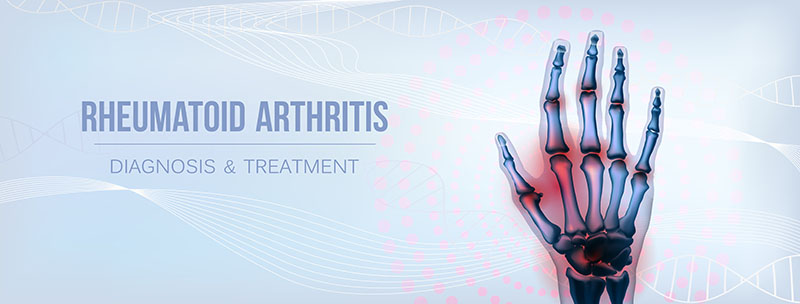
Infrared Sauna for Arthritis: The Evidence for Joint Pain Relief (2026 Research Review)
Read article
Infrared Sauna and Medications: A Drug-Class-by-Drug-Class Safety Reference (2026)
Read article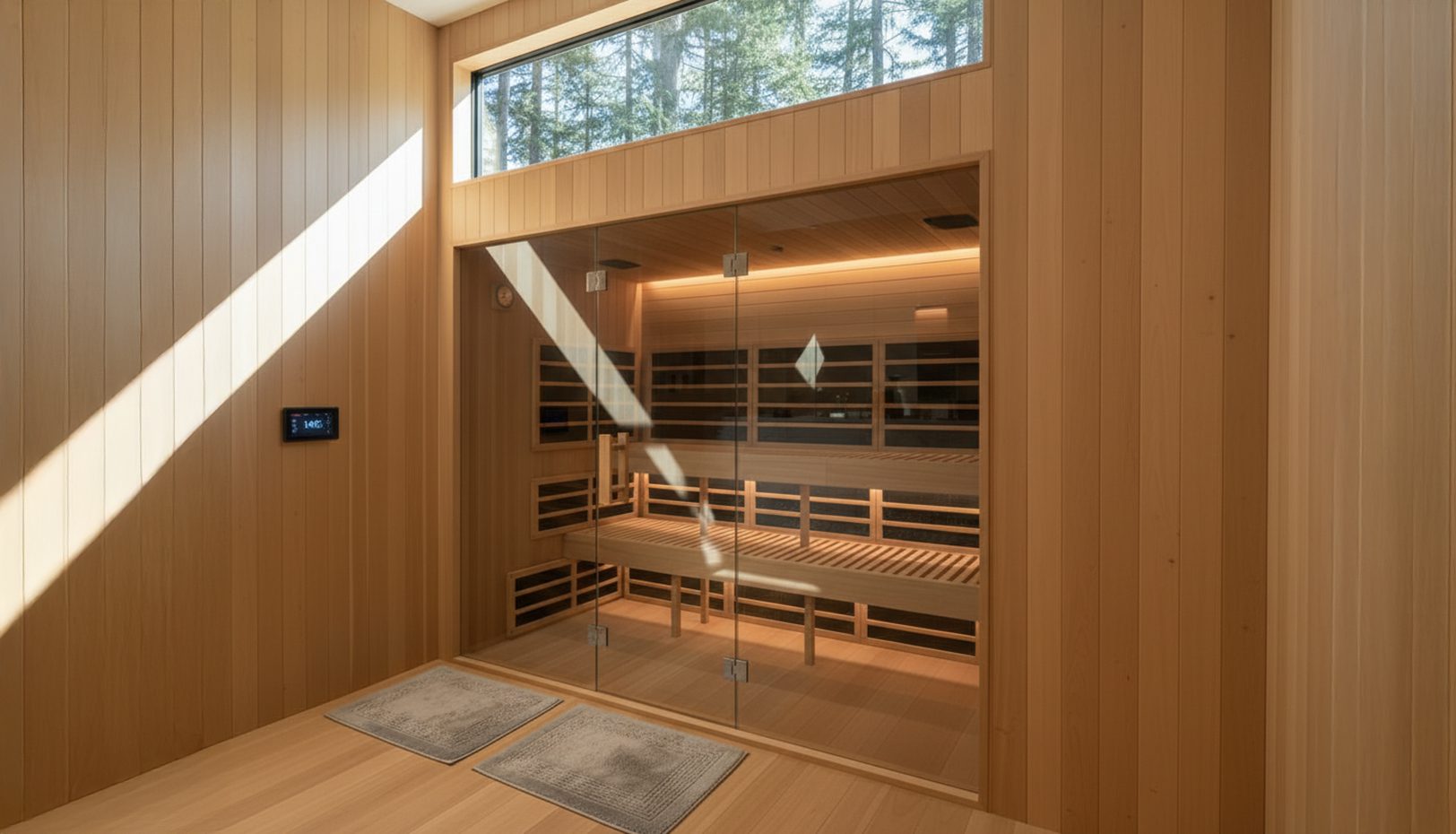
How Often Should You Use an Infrared Sauna? Research-Backed Frequency for Every Health Goal (2026)
Read articleManaging Gout With Heat Therapy
A home sauna gives you complete control over temperature, duration, and hydration protocol. Custom designed for your space.