
Infrared Saunas for Allergies: How Heat Therapy Reduces Symptoms at the Source
Key Takeaways
- Infrared sauna therapy addresses allergies through six mechanisms: Th1/Th2 immune rebalancing (the root cause), sinus dilation and decongestion, reduced histamine sensitivity, improved lymphatic drainage, detoxification support, and cortisol reduction. The immune rebalancing effect is the most important — it addresses WHY you're allergic, not just the symptoms
- Start daily sauna sessions 2-4 weeks BEFORE your allergy season begins. This 'pre-loading' period builds heat tolerance and initiates immune rebalancing before allergens peak — most of the benefit is built during this prep phase
- The sauna + nasal rinse combination is remarkably effective: a 30-40 minute infrared session thins mucus and dilates sinuses, then a neti pot or saline rinse immediately after flushes out loosened allergens and debris while passages are maximally open
- Infrared is better than traditional sauna for allergies because it produces dry radiant heat (no humidity that promotes mold and dust mites), operates at lower, more tolerable temperatures for longer sessions, and avoids steam that can irritate sensitive airways
- Infrared sauna therapy is a COMPLEMENTARY strategy — it reduces baseline allergy severity and can significantly decrease medication dependence, but it doesn't replace prescribed allergy medications, immunotherapy, or emergency treatment for severe reactions
Over 50 million Americans suffer from allergies every year. Seasonal allergic rhinitis alone affects 20-25% of adults — and the numbers are rising. Pollen seasons are longer (thanks to climate change), air pollution sensitizes immune systems, and our increasingly sterile indoor environments may be leaving immune systems under-challenged and over-reactive.
If you're reading this, you probably already know what doesn't work well enough: antihistamines that make you drowsy, decongestants that dry you out, nasal sprays you forget to use consistently. These tools manage symptoms — they don't address why your immune system is overreacting in the first place.
Infrared sauna therapy approaches allergies differently. It doesn't suppress your immune response the way medications do. Instead, it helps rebalance the immune system so it stops treating harmless pollen as a mortal threat. That distinction — symptom suppression vs immune rebalancing — is what makes infrared a compelling long-term strategy for allergy sufferers.
Let me be clear upfront: infrared sauna therapy won't cure your allergies. But consistent use can meaningfully reduce symptom severity, decrease medication dependence, and give you the ability to breathe clearly when you haven't been able to in months. Here's the science behind how it works.
What actually happens during an allergic reaction
Understanding the mechanism helps you understand why infrared therapy works. An allergic reaction is fundamentally an immune system error — your body misidentifies a harmless substance (pollen, dust mites, pet dander, mold) as a dangerous invader and mounts a full immune response against it.
Here's the cascade:
- You inhale pollen (or encounter another allergen)
- Your immune system's mast cells — sentinel cells stationed in your nasal passages, sinuses, and airways — recognize the allergen and release histamine along with other inflammatory mediators
- Histamine causes blood vessel dilation (congestion), increased mucus production (runny nose), smooth muscle contraction (wheezing, tight chest), and nerve stimulation (itching, sneezing)
- Inflammatory cytokines recruit more immune cells to the area, amplifying the response
- Your sinuses swell shut, your eyes water, your nose runs, and you feel miserable — all because your immune system is fighting a threat that doesn't exist
The deeper issue: chronic allergy sufferers have an overactive Th2 immune response. Your immune system has two main branches — Th1 (which handles bacteria, viruses, and cancer cells) and Th2 (which handles parasites and allergens). In allergy sufferers, the Th2 branch is hyperactive and the Th1 branch is relatively suppressed. This imbalance is what makes your immune system so trigger-happy with histamine.
The goal isn't to suppress your immune system — it's to rebalance it. And that's exactly what regular infrared sauna therapy helps accomplish.
How infrared sauna therapy helps allergies — six mechanisms
How Infrared Addresses Allergies
Six evidence-based mechanisms
Sauna
Th1/Th2 Rebalancing
Addresses the ROOT cause
Sinus Dilation
Immediate breathing relief
Reduced Histamine
Less reactive over time
Lymphatic Drainage
Clears congestion & swelling
Detoxification
Reduces immune irritants
Stress Reduction
Breaks cortisol-allergy cycle
1. Immune rebalancing — the root cause
This is the most important mechanism and the one most articles miss entirely. Heat stress from infrared sauna therapy stimulates the Th1 immune response — the anti-infection branch that's relatively suppressed in allergy sufferers. By regularly activating Th1, you gradually shift the immune balance away from the Th2 dominance that drives allergic overreaction.
This isn't like taking an antihistamine that blocks a receptor for 12 hours. This is your immune system actually recalibrating its baseline response. The effect is gradual and cumulative — it requires consistent sessions over weeks and months. But it's addressing the why behind your allergies, not just the symptoms. This is why the pre-season prep protocol (starting daily sessions 2-4 weeks before allergy season) is so effective — you give your immune system time to rebalance before the allergen load peaks.
2. Sinus and nasal passage relief
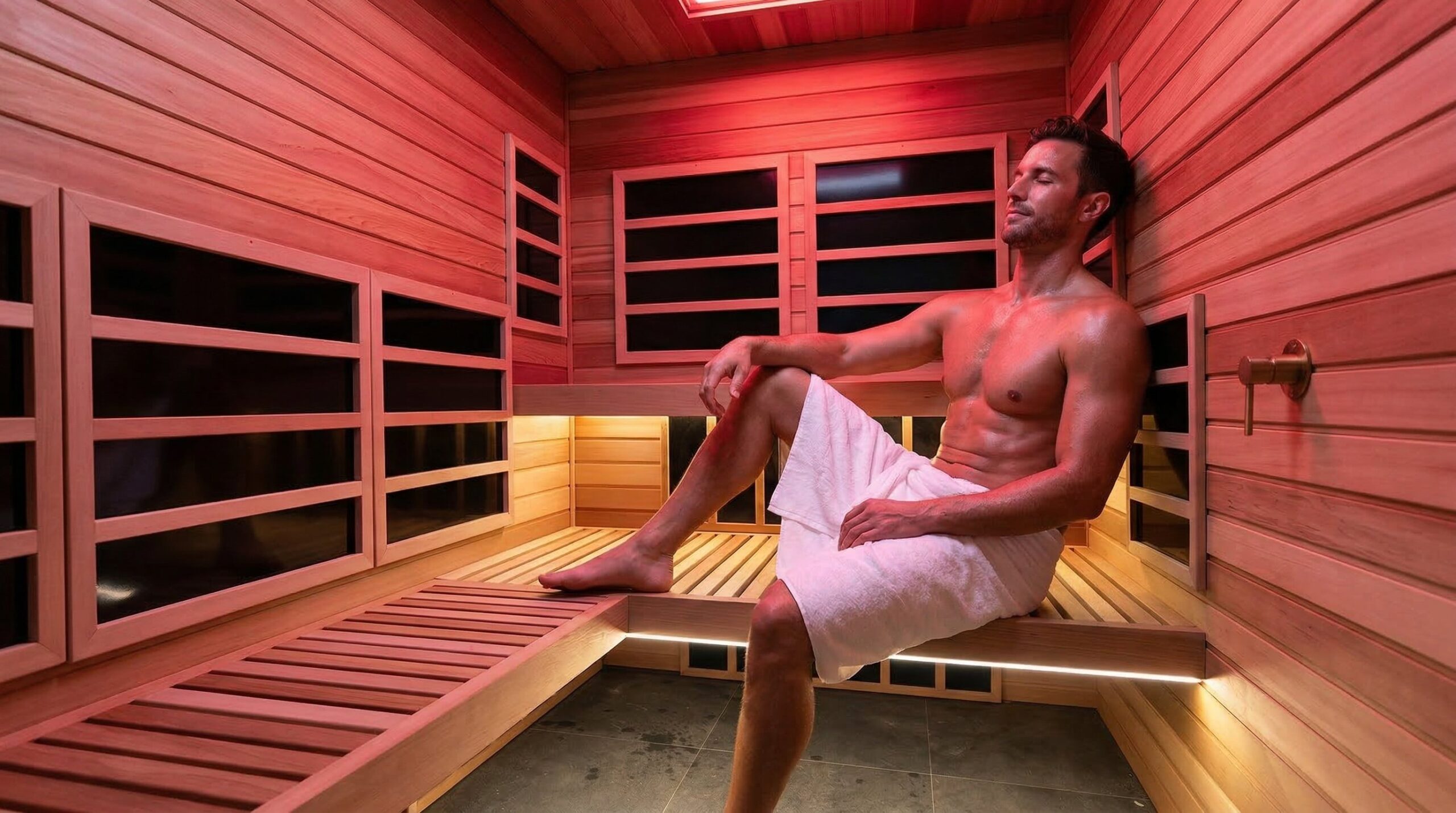
This is the benefit you'll feel during your first session. Infrared heat warms the face and sinuses — especially with front and overhead heaters like VantaWave panels positioned to direct radiant energy toward the head and upper body.
What happens: heat naturally dilates nasal passages and sinuses (like a drug-free decongestant), increased blood flow to the nasal mucosa promotes healing of chronically inflamed tissue, and mucus thins significantly with temperature, making it dramatically easier to clear. Many allergy sufferers report being able to breathe clearly through both nostrils for the first time in months during and after a session.
The effect is both immediate (during and after each session) and cumulative (less baseline congestion over time with regular use). The chronically inflamed, swollen tissue in your nasal passages gradually heals when it's regularly flushed with blood flow and freed from constant congestion.
3. Reduced histamine sensitivity
Regular heat exposure may help regulate mast cell activity over time, reducing the hair-trigger histamine release that allergy sufferers experience. Heat shock proteins produced during sauna sessions modulate the immune response, and the cortisol reduction from regular sauna use plays a role as well — chronic stress promotes Th2 dominance and increases histamine sensitivity.
This is not the same as taking an antihistamine pill. It's training your immune system to be less reactive over time. The effect builds gradually — you won't notice it after one session, but after 3-4 weeks of daily use, many people notice that their baseline allergic sensitivity has decreased.
4. Improved lymphatic drainage
The lymphatic system removes allergens, inflammatory debris, and excess fluid from tissue. Unlike your circulatory system, the lymphatic system doesn't have a pump — it relies on movement, muscle contraction, and temperature changes to circulate. Poor lymphatic flow contributes to chronic facial congestion, under-eye puffiness, and that heavy, swollen feeling allergy sufferers know well.
Infrared heat stimulates lymphatic circulation, helping drain swollen sinuses and reducing facial puffiness. Many users describe a "sauna facial" effect — visibly reduced swelling, clearer skin, and lighter-feeling sinuses after sessions.
5. Detoxification support
Environmental toxins — pesticides, air pollution particulates, volatile organic compounds — can sensitize the immune system and lower the threshold for allergic reactions. Your immune system is already irritated by the daily toxic load; add pollen on top and it overreacts.
Regular infrared sweating helps reduce overall toxic burden through the sweat excretion pathway. Lower toxic load means less baseline immune system irritation, which can raise your allergy threshold — the amount of allergen exposure needed to trigger a full response. This is especially relevant if you live in a high-pollution area or have chemical sensitivities alongside your allergies.
Worth noting: SaunaCloud's zero-glue construction means you're not introducing formaldehyde or VOC exposure during your detox session — a genuine concern with cheaply built saunas that use plywood and MDF.
6. Stress reduction
This mechanism is overlooked but powerful. Stress is a major allergy trigger — cortisol elevation directly promotes Th2 dominance and increases histamine release from mast cells. Chronic stress literally makes your allergies worse. It's not just that you "feel worse when stressed" — the biochemistry of stress actively amplifies the allergic response.
Regular infrared sauna use reduces cortisol levels by 15-25% and promotes parasympathetic nervous system activation (the "rest and digest" branch). Breaking the stress → cortisol → Th2 dominance → histamine → allergic reaction cycle is one of the most meaningful things you can do for allergy management — and daily sauna sessions are one of the most effective ways to break it.
The allergy season sauna protocol
Timing matters. The biggest mistake is waiting until you're already miserable to start using your sauna for allergy relief. The immune rebalancing effect takes weeks to build. Here's the protocol:
Phase 1 — Pre-season prep (2-4 weeks before your allergy season)
Start daily sessions at 130-135°F for 25-30 minutes. The goal during this phase is to build heat tolerance, initiate the Th1/Th2 immune rebalancing, and establish a consistent stress-reduction routine. This is when most of the benefit is built. By the time pollen counts spike, your immune system has already begun shifting away from Th2 dominance.
Phase 2 — Peak allergy season
Daily sessions at 135-140°F for 30-40 minutes. Timing options: morning sessions clear your sinuses and reduce inflammation for the day ahead, or evening sessions clear the allergens and inflammatory debris accumulated during the day. Both work — choose whichever fits your schedule consistently.
Immediate relief sessions: if you've been heavily exposed (yard work, hiking, high pollen count day), a sauna session within an hour of coming indoors can help interrupt the allergic cascade before it fully develops. Shower first to remove pollen from your skin and hair — you don't want to sit in a warm enclosed space coated in the allergens triggering your symptoms.
Phase 3 — Post-season maintenance
Continue 3-4 sessions per week to maintain immune balance and support ongoing health. The cardiovascular, immune, and stress-reduction benefits of regular sauna use extend well beyond allergy season.
Pro tip — the sauna + nasal rinse combination: After your sauna session, while your mucus is thin and your nasal passages are maximally dilated, use a neti pot or saline nasal rinse to flush out loosened allergens and debris. The combination is remarkably effective — the sauna opens everything up and thins the mucus, then the rinse physically clears the allergens. Many of our customers who suffer from allergies say this combination changed their spring and fall experience completely.
The Allergy Season Sauna Strategy
Start before the season — not during it
Phase 1: Pre-Load
2-4 weeks before season
Daily sessions, 130-135°F, 25-30 min. Build heat tolerance, start immune rebalancing.
This is when most benefit is built
Phase 2: Maintain
Peak allergy season
Daily sessions, 135-140°F, 30-40 min. Morning or evening. Nasal rinse after.
Post-exposure sessions within 1 hour
Phase 3: Sustain
Post-season
3-4x/week maintenance. Continued immune support and cardiovascular benefits.
Maintain the rebalancing gains
Complementary strategies that work with infrared
Infrared sauna therapy is most effective as part of a multi-pronged allergy management approach. These strategies complement sauna use:
- Quercetin supplement (500-1000mg daily): a natural mast cell stabilizer found in onions, apples, and berries. Helps prevent histamine release at the source. Most effective when started 2-3 weeks before allergy season
- Nasal saline rinse (neti pot): physically flushes allergens from nasal passages. Best used immediately after sauna when mucus is thinned and passages are dilated
- HEPA air filter in your bedroom and sauna room — reduces allergen load in the spaces where you spend the most time. Your bedroom is critical because you spend 7-9 hours there with your face on a pillow
- Probiotics: emerging research links gut microbiome health to allergic response. Specific strains — L. rhamnosus and B. lactis — have shown promise in reducing allergic symptoms. The gut-immune connection is real
- Omega-3 fatty acids (fish oil, 2-3g daily): anti-inflammatory properties may reduce allergic airway inflammation and complement sauna's inflammation-reducing effects
- Local honey: consuming honey from local bees may help build tolerance to local pollen. Evidence is mixed but it's harmless and delicious
- Shower immediately after outdoor exposure — remove pollen from skin and hair before it has time to trigger a prolonged response. Change clothes too — fabric traps pollen
What infrared sauna does NOT replace
Responsible positioning: infrared sauna therapy is a complementary strategy for reducing baseline allergy severity. It is not a replacement for:
- Prescribed allergy medications — antihistamines, nasal corticosteroids, and leukotriene modifiers prescribed by your doctor. Many people find they need less medication with regular sauna use, but any changes should be discussed with your doctor
- Allergy immunotherapy — allergy shots or sublingual drops for severe allergies. These work through a different mechanism (building tolerance through graduated exposure) and are appropriate for severe cases
- Emergency treatment for anaphylaxis — if you have a history of anaphylactic reactions, always carry epinephrine (EpiPen) and follow your allergist's emergency plan. Infrared sauna has no role in acute anaphylaxis
The best approach combines medical treatment for acute symptom management with infrared sauna therapy for long-term immune rebalancing and symptom reduction. Over time, many people find that the sauna's cumulative effect allows them to reduce (not necessarily eliminate) their medication needs — but always under medical guidance.
Why infrared is better than traditional sauna for allergies
If you're specifically looking at sauna therapy for allergy relief, infrared has distinct advantages over traditional Finnish saunas:
- Dry radiant heat: traditional saunas add moisture to the air (especially with löyly — water on rocks). Humidity promotes mold growth and dust mite proliferation — two of the most common allergens. Infrared saunas produce completely dry heat with no added moisture
- Lower, more tolerable temperatures: infrared operates at 130-145°F vs 180-200°F. For allergy sufferers who already deal with headaches, fatigue, and sinus pressure, the lower temperature is significantly more comfortable and tolerable
- Longer sessions possible: the comfortable air temperature allows 30-45 minute sessions, providing more time for immune modulation, sinus drainage, and therapeutic sweating than the 10-15 minutes most people can tolerate in a traditional sauna
- No steam irritation: traditional sauna steam can carry mineral deposits and chlorine (if using tap water), which can irritate already-sensitive airways. Infrared produces zero steam
For allergy-specific relief, see our guide to combining halotherapy (salt therapy) with infrared — inhaling micro-salt particles during a session can further support respiratory comfort and sinus health.
If you have questions about whether infrared sauna therapy is appropriate for your specific allergy situation — including interactions with allergy medications — see our complete contraindications guide.
Frequently Asked Questions
Yes. Infrared sauna therapy can reduce allergy symptoms through multiple mechanisms: immune rebalancing (shifting away from the overactive Th2 response that drives allergies), sinus decongestion through heat-induced dilation, reduced histamine sensitivity over time, improved lymphatic drainage, detoxification that reduces immune irritants, and stress reduction that breaks the cortisol-allergy cycle. Benefits are cumulative with regular use — most people notice meaningful improvement after 3-4 weeks of daily sessions.
Significantly. Infrared heat warms and dilates the nasal passages and sinuses, thins mucus for easier clearance, and increases blood flow to inflamed nasal tissue, promoting healing. Many allergy sufferers report clear breathing through both nostrils during and after sessions. Following up with a nasal saline rinse (neti pot) while mucus is thinned and passages are maximally open provides the best results.
Daily sessions during peak allergy season produce the best results. The key strategy is to start daily sessions 2-4 weeks before your allergy season begins — this pre-loading period builds immune rebalancing before allergens peak. During the season, morning sessions clear sinuses for the day; evening sessions clear allergens accumulated during the day. A session after heavy pollen exposure can help interrupt the allergic cascade.
Dry heat (infrared sauna) is preferable for allergy sufferers. Traditional steam saunas add humidity to the air, which can promote mold growth and dust mite proliferation — two of the most common allergens. Infrared provides therapeutic heat without adding any moisture. The dry environment also avoids steam irritation of already-sensitive airways.
Regular infrared sauna use may help regulate mast cell activity and reduce the overactive histamine response that drives allergy symptoms. This occurs through immune rebalancing (Th1/Th2 balance), heat shock protein modulation of immune responses, and cortisol reduction. The effect is gradual and cumulative — not immediate like an antihistamine — but with consistent use over weeks, many people experience meaningfully reduced baseline allergic sensitivity.
Both. Shower before to remove pollen and allergens from your skin and hair — you don't want to sit in a warm enclosed space coated in the allergens triggering your symptoms. Shower after to rinse off sweat and excreted toxins. If you've been outdoors during high pollen counts, the pre-sauna shower is especially important.
Quercetin (500-1000mg daily) is a natural mast cell stabilizer that helps prevent histamine release. Omega-3 fatty acids (2-3g daily) reduce inflammatory responses in the airways. Probiotics with L. rhamnosus and B. lactis strains support immune balance through the gut-immune connection. Vitamin C functions as a natural antihistamine. These complement infrared sauna therapy for a multi-pronged approach to allergy management.

Founder & Lead Designer, SaunaCloud®
3,000+ custom saunas built since 2014 · Author of The Definitive Guide to Infrared Saunas · Featured in Forbes, Inc., and MSN
Chris has been designing and building custom infrared saunas since 2014. He wrote one of the first comprehensive books on infrared sauna therapy and is personally involved in every SaunaCloud build — from design consultation through delivery and beyond.
Continue Reading
.webp)
Breathe Easy — Start Before Allergy Season Hits
VantaWave front and overhead heaters deliver dry radiant heat directly to the face and sinuses. Zero-glue Western Red Cedar construction means no formaldehyde irritating your already-sensitive immune system.