
Infrared Sauna and Peripheral Neuropathy: The Two-Problem Framework, Safety Paradox, and What the Research Shows (2026)
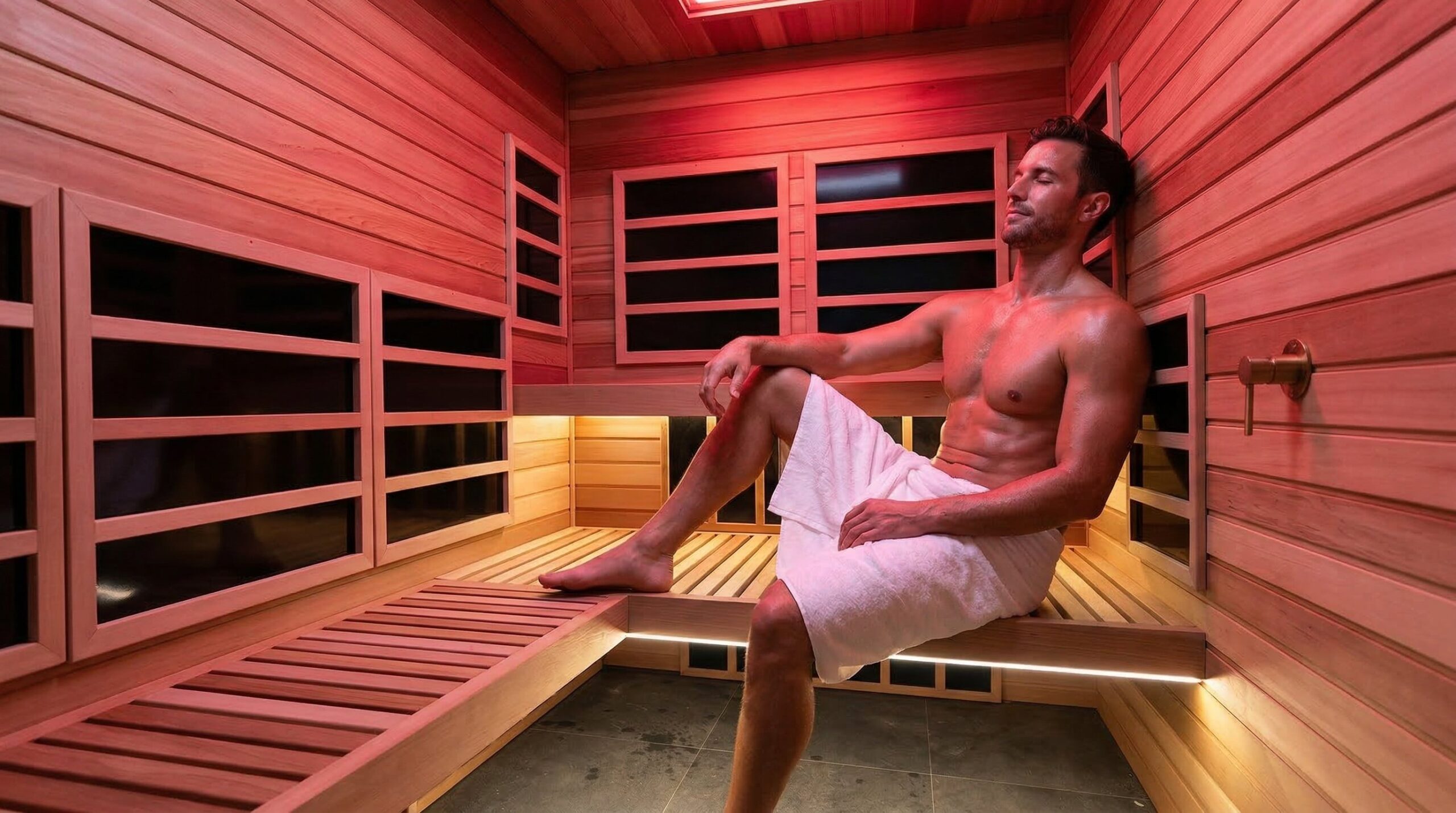
Key Takeaways
- Peripheral neuropathy is TWO problems — nerve damage AND vascular damage — and infrared sauna addresses the vascular side directly through microcirculation improvement
- Nurmikko 1992: 90% of neuropathy patients tolerated FIR treatment well, with measurable pain reduction — one of the earliest studies on infrared and nerve pain
- 2024 PBM research shows red light therapy improves nerve conduction velocity and promotes nerve regeneration in animal models — a direct nerve repair mechanism beyond pain masking
- THE SAFETY PARADOX: reduced sensation means you can't feel when you're overheating. This makes neuropathy the ONE condition where 'listen to your body' doesn't work — use a timer, not sensation
- SaunaCloud integrates both: VantaWave® FIR for vascular support + optional 660/850nm LEDs for direct photobiomodulation nerve repair potential
My uncle went through chemotherapy for colon cancer. He survived. But the chemo left him with peripheral neuropathy in his feet — numbness, tingling, burning pain that made walking across a room feel like walking on broken glass. His oncologist said it might improve. It mostly didn't.
He started using an infrared sauna. Not because anyone prescribed it — because he was desperate and his wife had read something online. Within a few weeks, he told me the burning had dialed down from an 8 to a 5. Not gone. But enough that he stopped dreading getting out of bed.
That's an anecdote, not a clinical trial. But it's why I've spent the last year reading every study I can find on infrared wavelengths and peripheral neuropathy — to understand what's actually happening biologically, what the research supports, and where the honest limits are.
The two-problem framework: why neuropathy is harder than it looks
Most people think of neuropathy as one problem: damaged nerves. But peripheral neuropathy is actually two interrelated problems happening simultaneously.
Problem 1 — Nerve damage: The nerve fibers themselves are injured, demyelinated, or dying. Small fiber neuropathy affects the thin unmyelinated C-fibers that carry pain and temperature signals. Large fiber neuropathy affects the thicker myelinated fibers that carry touch, vibration, and proprioception. The result: pain signals fire when they shouldn't (burning, tingling, stabbing) while protective signals don't fire when they should (numbness, inability to feel temperature or injury).
Problem 2 — Vascular damage: The tiny blood vessels (vasa nervorum) that supply oxygen and nutrients to nerve fibers are also compromised. In diabetic neuropathy, hyperglycemia damages these microvessels directly. In chemo-induced neuropathy, the same drugs that kill cancer cells damage the endothelial cells lining blood vessels. Even in idiopathic neuropathy, there's typically measurable microcirculation impairment. Starved of blood supply, damaged nerves can't heal — and healthy nerves begin to deteriorate.
This is why neuropathy tends to be progressive. Problem 2 makes Problem 1 worse, which makes Problem 2 worse, in a self-reinforcing cycle. And it's why any intervention needs to address BOTH problems — not just mask the pain.
How far infrared addresses Problem 2 (vascular damage)
Far infrared wavelengths (5-15μm) penetrate 3-4cm into tissue, generating deep tissue heating that triggers vasodilation — your blood vessels physically widen. For neuropathy, this matters specifically because it improves microcirculation to the vasa nervorum, the tiny blood vessels that feed nerve fibers.
This isn't speculative. Multiple studies on FIR and diabetic microvascular complications have demonstrated measurable improvements in peripheral blood flow. And in neuropathy specifically, Nurmikko et al. (1992) found that 90% of neuropathy patients tolerated FIR treatment well, with measurable reductions in pain scores.
The mechanism chain: FIR heat → nitric oxide release → vasodilation → improved microcirculation → more oxygen/nutrients reaching damaged nerves → environment for nerve survival and potential repair. This doesn't fix the nerve damage directly — but it addresses the vascular starvation that makes nerve damage progressive.
There's also a systemic benefit. Regular infrared sauna use reduces chronic inflammation (CRP, TNF-α, IL-6 down; IL-10 up). Since neuroinflammation drives many forms of neuropathy — particularly autoimmune and diabetic — reducing systemic inflammatory load can slow the damage cycle.
How red light therapy addresses Problem 1 (nerve damage)
This is where 2024 research gets genuinely exciting. Photobiomodulation (PBM) — red and near-infrared light at specific wavelengths (660nm, 850nm) — has shown direct effects on nerve tissue that go beyond pain masking.
Nerve conduction velocity: Multiple PBM studies have demonstrated improved nerve conduction velocity — the speed at which electrical signals travel along nerve fibers. Faster conduction means better signal transmission, which translates to improved sensation and motor function. This is a measurable, objective improvement in nerve function, not just subjective pain reduction.
Nerve regeneration: Animal models (primarily rodent sciatic nerve injury studies) show PBM at 660-850nm promotes Schwann cell proliferation (the cells that produce myelin, the insulating sheath around nerve fibers), axonal regrowth, and functional recovery after nerve injury. A 2024 systematic review of PBM for peripheral nerve injury concluded that photobiomodulation 'promotes nerve regeneration and functional recovery.'
The honest caveat: Most nerve regeneration evidence comes from animal models with acute nerve injuries (crush injuries, surgical transection) — not chronic human neuropathy. Translating from 'PBM regrows rat sciatic nerves after crush injury' to 'PBM will regenerate your diabetic neuropathy' is a leap. But the cellular mechanisms are real, and human studies on diabetic neuropathy specifically have shown improvements in pain, sensation, and nerve conduction with PBM treatment.
SaunaCloud integrates PBM directly: bench-integrated LED panels at 660nm + 850nm deliver photobiomodulation to nerve-rich areas (feet, legs, hands) during every sauna session. Both mechanisms — vascular (heat) and neural (light) — working simultaneously.
The safety paradox: why neuropathy changes all the rules
Here's the part most sauna companies won't tell you — and it's critical.
Every standard sauna safety guideline says the same thing: 'Listen to your body. If you feel too hot, exit the sauna.' This advice assumes you can FEEL temperature normally. Peripheral neuropathy breaks that assumption.
If you have reduced sensation in your feet, hands, or legs — which is the defining feature of neuropathy — you may not feel when skin temperature reaches dangerous levels. You could develop a thermal burn without ever feeling 'too hot.' This is the same reason diabetic neuropathy patients are warned about hot bath water, heating pads, and hot pavement — and it applies equally to infrared saunas.
CRITICAL SAFETY NOTE: If you have peripheral neuropathy with reduced sensation, you CANNOT rely on how you feel to determine if you're overheating. Use a timer-based protocol, not sensation. Start conservative. Discuss sauna use with your neurologist or treating physician before beginning.
This paradox — the people who might benefit most from improved circulation are the same people most vulnerable to thermal injury — is why protocol matters enormously for neuropathy. You need a disciplined, timer-based approach, not the 'just sit in there until you feel like getting out' advice that works for healthy users.
Neuropathy types: different causes, same two problems
Peripheral neuropathy has dozens of causes, but the two-problem framework applies across all of them. Here's how the most common types relate to infrared sauna use:
Diabetic neuropathy (most common — ~50% of diabetics develop it): Hyperglycemia damages both nerve fibers and the microvessels that supply them. FIR addresses the vascular side directly. But blood sugar control remains the #1 priority — no amount of sauna will overcome uncontrolled glucose. See our full diabetes and infrared sauna analysis.
Chemotherapy-induced peripheral neuropathy (CIPN): Platinum-based drugs (cisplatin, oxaliplatin), taxanes (paclitaxel, docetaxel), and vinca alkaloids damage peripheral nerves directly. CIPN develops in 30-70% of chemo patients and may be permanent. FIR can support circulation to damaged nerves. PBM shows the most promise here — animal studies on CIPN specifically show neuroprotective effects of photobiomodulation during and after chemotherapy.
Autoimmune neuropathy (Guillain-Barré, CIDP, lupus, Sjögren's): The immune system attacks nerve tissue. Infrared sauna's immune modulation effects (shifting from Th1/Th17 toward Th2/Treg) may be relevant, but these are serious conditions requiring immunological management. Sauna is complementary, never primary.
Alcoholic neuropathy: Chronic alcohol use damages nerves through direct toxicity AND nutritional deficiency (particularly B vitamins). FIR helps circulation, but the primary intervention is alcohol cessation and nutritional supplementation. Important: do NOT sauna while intoxicated — alcohol + heat stress is dangerous.
Idiopathic neuropathy (~30% of cases — no identified cause): When the cause is unknown, the two-problem framework still applies: support vascular health (FIR), support nerve repair potential (PBM), reduce inflammation (both), and manage symptoms. Infrared sauna may be particularly valuable here because the other interventions (fix the underlying cause) aren't available.
The conservative protocol: timer-based, not sensation-based
Because of the safety paradox described above, the standard 'start low and work up based on how you feel' protocol needs modification for neuropathy. Here's the approach I recommend — developed specifically for people with reduced sensation:
Weeks 1-2 (Assessment phase): Temperature: 115°F (46°C) maximum. Duration: 15 minutes maximum. Frequency: 3x per week. After EVERY session: visually inspect all areas with reduced sensation for redness, discoloration, or blistering. Note: you may not feel anything unusual even if skin is affected — you MUST look.
Weeks 3-4 (Gradual increase): If no adverse skin reactions: increase to 120°F (49°C) and 20 minutes. Keep frequency at 3-4x per week. Continue visual skin inspections after every session.
Week 5+ (Maintenance): Maximum: 125°F (52°C) and 25 minutes. This is lower than the typical healthy-user recommendation of 130-140°F for 30-40 minutes. That's deliberate. For neuropathy users, the margin of safety must be wider because the warning system (sensation) is impaired.
PBM integration: If your sauna includes red light therapy panels, position affected areas (feet, hands, legs) toward the LED panels during sessions. PBM does not generate significant heat, so it does not increase burn risk — the light-mediated benefits are additive without adding thermal load.
Timer rule: Set a physical timer (phone, kitchen timer, sauna timer). When it goes off, you exit. No exceptions, no 'just five more minutes.' The timer replaces the sensation feedback you don't have. This is the single most important safety rule for neuropathy users.
What infrared sauna can and can't do for neuropathy
What the evidence supports: Improved microcirculation to peripheral nerves (well-established FIR mechanism). Pain reduction (Nurmikko 1992 + consistent anecdotal reports). Reduced systemic inflammation (supported by multiple inflammatory marker studies). Improved nerve conduction velocity with PBM (emerging human evidence). Nerve regeneration with PBM (strong animal evidence, early human evidence).
What it probably can't do: Reverse severe, long-standing nerve damage. The nerves that have completely died and been absorbed aren't coming back — no technology can rebuild a nerve fiber from nothing. Replace proper medical management of the underlying cause (diabetes control, chemo completion, autoimmune treatment). Eliminate neuropathic pain entirely — most users describe improvement (going from an 8 to a 4-5), not complete resolution.
Where the evidence is weakest: Large-scale, randomized controlled trials on infrared sauna specifically for neuropathy don't exist yet. Most evidence comes from FIR mechanism studies + PBM studies + condition-specific case series. The biological rationale is strong, but the definitive 'infrared sauna reverses neuropathy' RCT hasn't been done.
Why SaunaCloud's dual-mechanism approach matters for neuropathy
A standard infrared sauna addresses Problem 2 (vascular) through heat. That's meaningful — improved circulation to damaged nerves is the foundation of any nerve recovery strategy. But it doesn't address Problem 1 (nerve damage) directly.
SaunaCloud's integrated VantaWave® red light therapy panels add the second mechanism: PBM at 660nm + 850nm targeting nerve tissue directly. Improved nerve conduction. Schwann cell stimulation. Potential nerve regeneration. Both problems addressed in a single session.
Every SaunaCloud sauna is custom built — which means LED panel placement can be optimized for your specific neuropathy pattern. Feet affected? Panels positioned at floor level. Hands? Panels at armrest height. Full-body? Distributed placement. This is the advantage of custom over off-the-shelf.
Frequently asked questions
Frequently Asked Questions
Yes — with modifications. The key safety concern is reduced sensation: you may not feel when skin temperature reaches dangerous levels. Use a strict timer-based protocol (not sensation-based), start at 115°F for 15 minutes, and visually inspect affected areas after every session. Discuss with your neurologist before starting. Never exceed 125°F or 25 minutes without medical clearance.
It depends on the type and severity. Infrared sauna improves microcirculation (supporting nerve survival) and reduces inflammation (slowing damage progression). PBM shows nerve regeneration potential in studies. Mild to moderate neuropathy may see meaningful improvement. Severe, long-standing nerve death is unlikely to reverse completely. Most users report pain reduction and symptom improvement, not complete reversal.
Start at 115°F (46°C) and increase gradually to a maximum of 125°F (52°C) over 4-5 weeks. This is deliberately lower than the 130-140°F range recommended for healthy users. The lower ceiling exists because reduced sensation means you can't rely on feeling 'too hot' as a safety signal. Always use a timer.
Emerging evidence says yes. PBM at 660-850nm has shown improved nerve conduction velocity in human studies and nerve regeneration (Schwann cell proliferation, axonal regrowth) in animal models. A 2024 systematic review concluded PBM 'promotes nerve regeneration and functional recovery.' SaunaCloud integrates PBM panels at 660nm + 850nm directly into the sauna bench for simultaneous treatment.
Pain reduction: many users report improvement within 2-4 weeks of consistent use (3-4x/week). Sensation improvement: slower — typically 4-8 weeks if it occurs. Nerve conduction improvement (measurable via EMG): 8-12 weeks in PBM studies. Some improvements may be subtle and gradual rather than dramatic. Keep a symptom journal to track changes you might not notice day-to-day.
Discuss with your oncologist first — this is non-negotiable. Some oncologists are comfortable with gentle infrared sauna use during chemo; others prefer waiting until treatment is complete. Considerations: immune suppression (infection risk in shared saunas — not an issue with a home sauna), platelet count (bruising/bleeding risk), hydration status, and current side effect burden. Never sauna on infusion days.
Yes — this is the #1 safety concern for neuropathy users. Numbness means you can't feel excessive heat building up. Use the timer protocol (max 125°F, max 25 minutes), keep feet elevated on a towel (not directly on hot bench surfaces), and visually inspect your feet after every session for redness, blistering, or discoloration. A thermal burn you can't feel is a medical emergency that can lead to ulceration.
Founder & Lead Designer, SaunaCloud®
3,000+ custom saunas built since 2014 · Author of The Definitive Guide to Infrared Saunas · Featured in Forbes, Inc., and MSN
Chris has been designing and building custom infrared saunas since 2014. He wrote one of the first comprehensive books on infrared sauna therapy and is personally involved in every SaunaCloud build — from design consultation through delivery and beyond.
Continue Reading
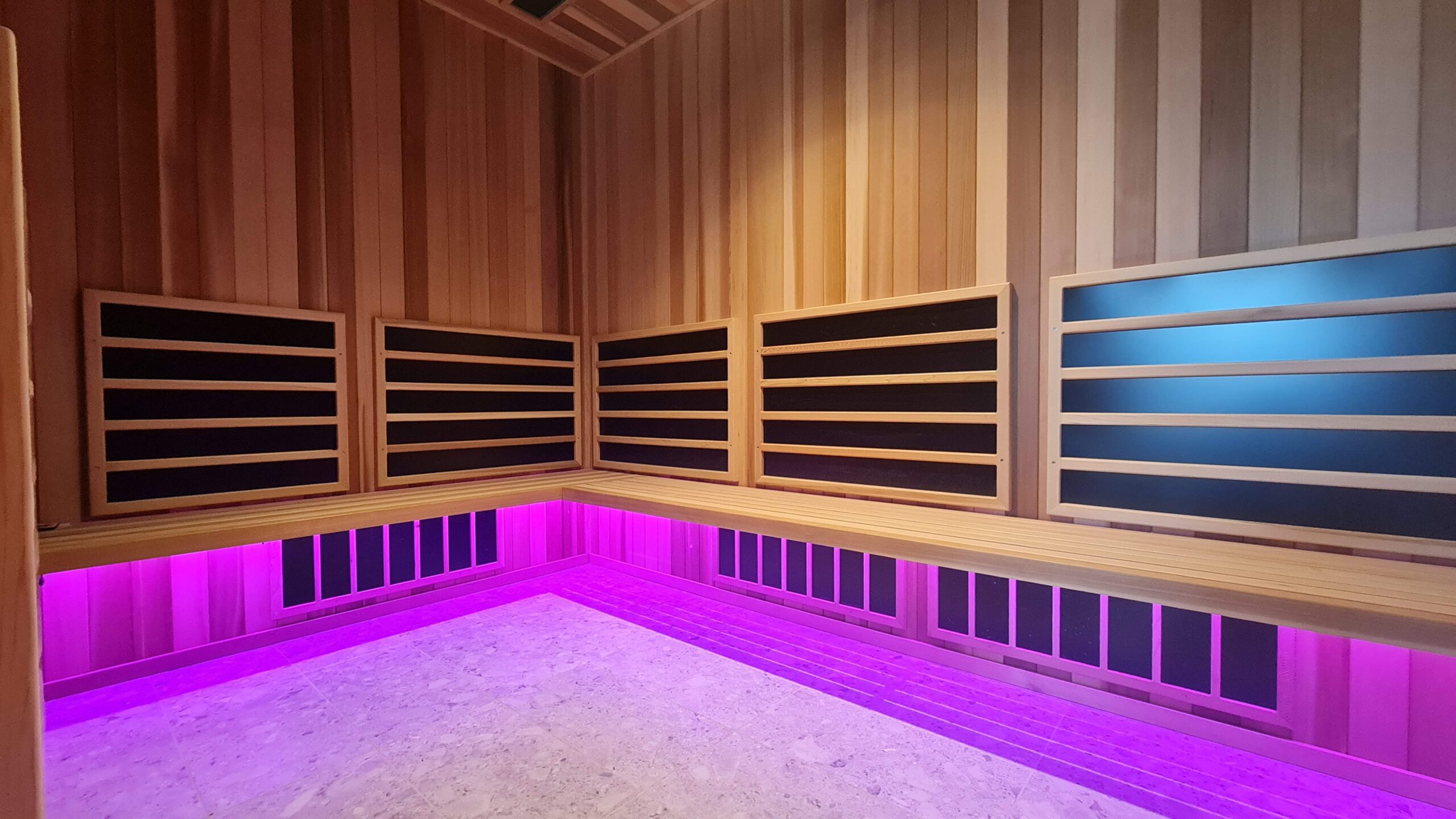
Infrared Sauna and Diabetes: The Honest State of the Evidence (2026)
Read article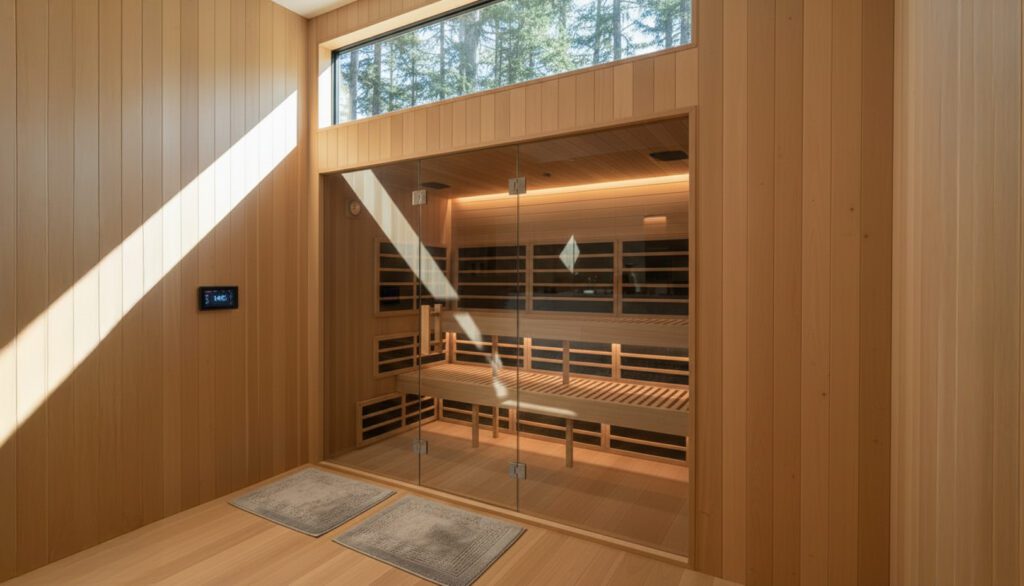
Red Light Therapy in Infrared Saunas: The Complete Science of Integration (2026)
Read article
Infrared Sauna and Autoimmune Disease: Anti-Inflammatory Without Immunosuppression (2026)
Read articleDual-Mechanism Support for Nerve Health
VantaWave® far-infrared for microcirculation + integrated 660/850nm LEDs for direct nerve photobiomodulation — custom-positioned for your specific neuropathy pattern.