
Using Your Infrared Sauna in Summer: Timing, Safety, and Why I Almost Gave Myself Heat Stroke (2026)
Key Takeaways
- I almost gave myself heat stroke using my outdoor sauna in direct afternoon sun — the cabin was already 130°F from solar heating before I turned it on. I pushed through 30 minutes out of stubborn habit and paid for it. The lesson: summer sauna is about WHEN, not WHETHER
- Summer sauna use actually improves your ability to handle summer heat. Heat acclimation from regular sauna increases plasma volume, improves thermoregulatory efficiency, and enhances exercise performance in hot conditions. 5-10 sessions can meaningfully improve heat tolerance
- Timing strategy: Early morning (before heat builds) = ideal. Evening (after sun goes down) = good — the post-sauna cooling effect is amplified. Midday/afternoon peak heat = avoid, especially for outdoor saunas
- Stopping sauna for 3-4 months of summer means losing cumulative adaptations — HSP production, cardiovascular conditioning, neurochemical adaptations all require consistency. Adjusting protocol (shorter, cooler, earlier) is better than stopping entirely
- Summer hydration is even more critical than usual. You're already losing more fluid from ambient heat. Add sauna sweat loss on top. Double down on pre/during/post hydration with electrolytes — dehydration risk is at its highest in summer
I need to tell you about the time I almost gave myself heat stroke in my own sauna.
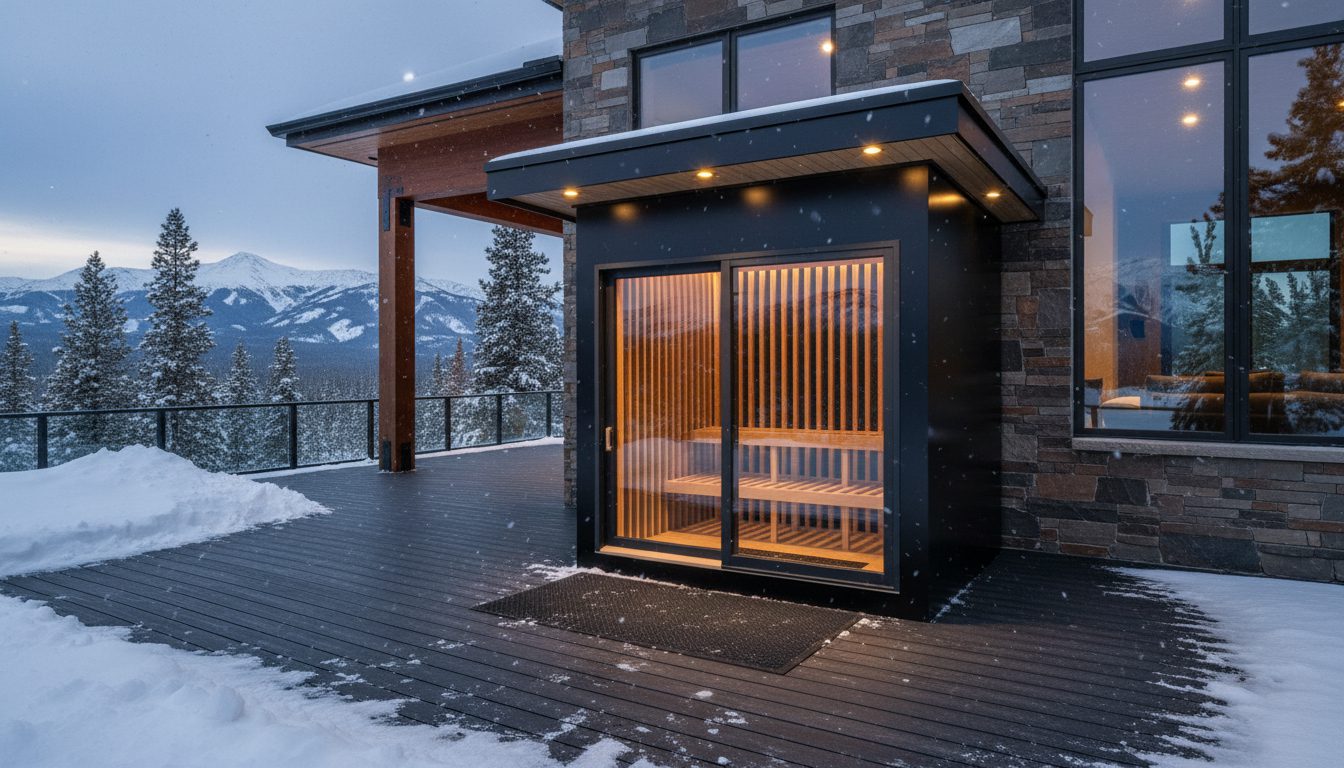
It was a July afternoon. My outdoor sauna sits in direct sun. The ambient temperature was already well over 100°F. When I opened the sauna door, the thermometer read nearly 130°F — and I hadn't even turned it on yet. The cedar had been absorbing direct sunlight for hours, turning the cabin into a solar oven.
I got in anyway. Stubborn habit. I pushed through 30 minutes — my normal duration — because that's 'what I always do.' By the time I stepped out, I was dizzy, nauseous, and my vision was swimming. I sat on the ground for 20 minutes drinking water, genuinely concerned I'd need to call for help.
The lesson was simple: summer sauna isn't about WHETHER to use your sauna. It's about WHEN.
Why summer sauna actually makes you handle heat better
The counterintuitive benefit: regular sauna use during summer IMPROVES your heat tolerance. This is heat acclimation — the same adaptation athletes use to prepare for hot-weather competition. Five to ten sauna sessions produce measurable improvements in thermoregulatory efficiency (you sweat sooner and more effectively), plasma volume (more blood available for both cooling AND performance), and cardiovascular stability in heat.
For anyone who works outdoors, exercises in summer heat, or simply wants to tolerate hot weather better — maintaining your sauna practice through summer months makes the heat MORE manageable, not less. You're training your body to handle thermal stress.
The timing strategy
Early morning (before the heat builds) — ideal. Ambient temperature is cool. Your sauna performs normally — the heaters are doing all the work, not the sun. You get the endorphin and cortisol benefits to start your day. For indoor saunas, morning sessions are identical to any other season.
Evening (after sun goes down) — good. The post-sauna cooling effect is actually AMPLIFIED in summer — stepping from a warm sauna into a cooler evening produces a deeper parasympathetic response. The thermoregulatory cooling also enhances sleep onset — particularly valuable in summer when hot nights disrupt sleep.
Midday/afternoon peak heat — avoid. This is where my near-heat-stroke happened. Especially for outdoor saunas: the cabin absorbs solar heat, ambient temperature is already high, and your body starts the session already warm. The combined heat load can exceed safe limits. If you must use your sauna during the hottest part of the day, keep sessions SHORT (10-15 min) and COOL (115-120°F) with aggressive hydration.
Summer protocol adjustments
Temperature: Drop 10-15°F from your winter setting. If you normally use 140°F, try 125-130°F in summer. Your body is already warmer from ambient heat — less additional heat is needed to reach the same core temperature elevation. Duration: Shorten by 5-10 minutes. The thermal head start from ambient warmth means you reach therapeutic core temperature faster. Hydration: Increase by 50% over your winter protocol. You're already losing more fluid from ambient heat + higher baseline sweating + sauna sweat. Electrolytes are even more critical.
The momentum argument: don't take a summer break
Stopping sauna use for 3-4 months of summer means losing the cumulative adaptations you built during the rest of the year. Heat shock protein production, cardiovascular conditioning, immune modulation, and neurochemical adaptations all require consistency. A summer break resets much of this progress — you'll spend weeks rebuilding when fall arrives.
Adjusting the protocol (shorter sessions, cooler temperatures, early morning timing) is always better than stopping entirely. Even 15 minutes at 120°F maintains the adaptation stimulus. Consistency at reduced intensity beats perfection interrupted by months of zero practice.
Outdoor sauna summer considerations
If your SaunaCloud is installed outdoors: Check the cabin temperature BEFORE turning it on — solar heating may have already raised it significantly. Open the door 10-15 minutes before your session to ventilate and cool the interior. Consider shade structures if your sauna receives direct afternoon sun. Ensure ventilation is unobstructed — summer sessions produce more condensation. Check for insects or wildlife that may have entered through vents.
Frequently asked questions
Frequently Asked Questions
Yes — with timing and protocol adjustments. Avoid midday/afternoon sessions in extreme heat, especially for outdoor saunas. Use early morning or evening sessions. Reduce temperature and duration. Increase hydration. Indoor saunas in air-conditioned homes can be used on the same schedule as winter with minimal adjustment.
Actually the opposite. Regular heat exposure (heat acclimation) improves your body's thermoregulatory efficiency — you sweat sooner, sweat more effectively, and maintain a lower core temperature during subsequent heat exposure. After a morning sauna session, many users report handling afternoon heat MORE comfortably, not less.
Yes — drop 10-15°F from your usual setting. Your body starts warmer from ambient heat, meaning less additional heat is needed to reach therapeutic core temperature elevation. 125-130°F in summer can produce the same physiological response as 140°F in winter because your starting core temperature is already elevated.
Increase hydration by about 50% over your winter protocol. Between ambient heat, higher baseline sweating, and sauna sweat loss, summer dehydration risk is significantly elevated. Minimum: 24-32oz water plus electrolytes before, sip during, and 24oz+ with electrolytes after. Monitor urine color — if it's dark yellow, you're not drinking enough.
Don't stop — adjust your timing. Early morning before the sun heats the cabin, or evening after sunset, eliminates the solar pre-heating problem. Check the cabin temperature before entering. Open the door to ventilate before your session. If afternoon is your only option, keep it very short (10-15 min) and very cool (115-120°F) with aggressive hydration.

Founder & Lead Designer, SaunaCloud®
3,000+ custom saunas built since 2014 · Author of The Definitive Guide to Infrared Saunas · Featured in Forbes, Inc., and MSN
Chris has been designing and building custom infrared saunas since 2014. He wrote one of the first comprehensive books on infrared sauna therapy and is personally involved in every SaunaCloud build — from design consultation through delivery and beyond.
Continue Reading
Infrared Sauna Tips: Your First 30 Days and the Mistakes to Avoid (2026)
Read article
How Often Should You Use an Infrared Sauna? Research-Backed Frequency for Every Health Goal (2026)
Read article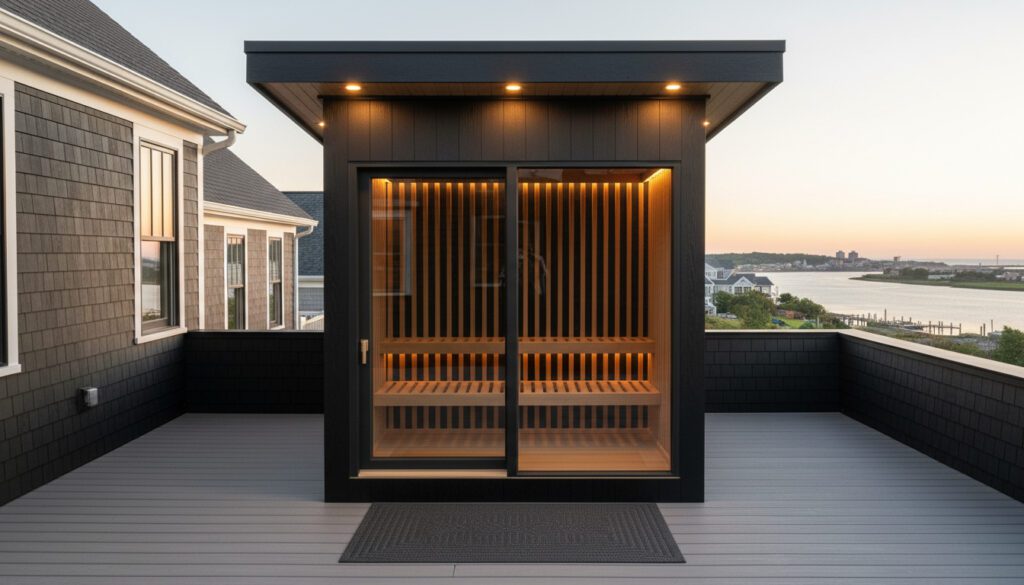
Outdoor Infrared Saunas: The Complete Planning & Installation Guide (2026)
Read articleBuilt for Year-Round Use
Your sauna practice shouldn't take a summer break. Custom designed for your space — indoor or outdoor — with the consistency that builds lasting health benefits.