
Why Premium Materials Matter in Infrared Saunas: The Italian Ingredient Philosophy
Key Takeaways
- The Italian ingredient philosophy: great Italian cooking uses a few perfect ingredients prepared simply. A sauna has four ingredients — wood, heaters, controller, hardware. The quality of each determines whether you get 25 years of therapeutic benefit or 5 years of off-gassing and declining performance
- You're sitting in a heated, enclosed space breathing deeply for 30-45 minutes daily. The materials determine what you breathe. Plywood and MDF off-gas formaldehyde — a known carcinogen — when heated. This isn't snobbery. It's safety.
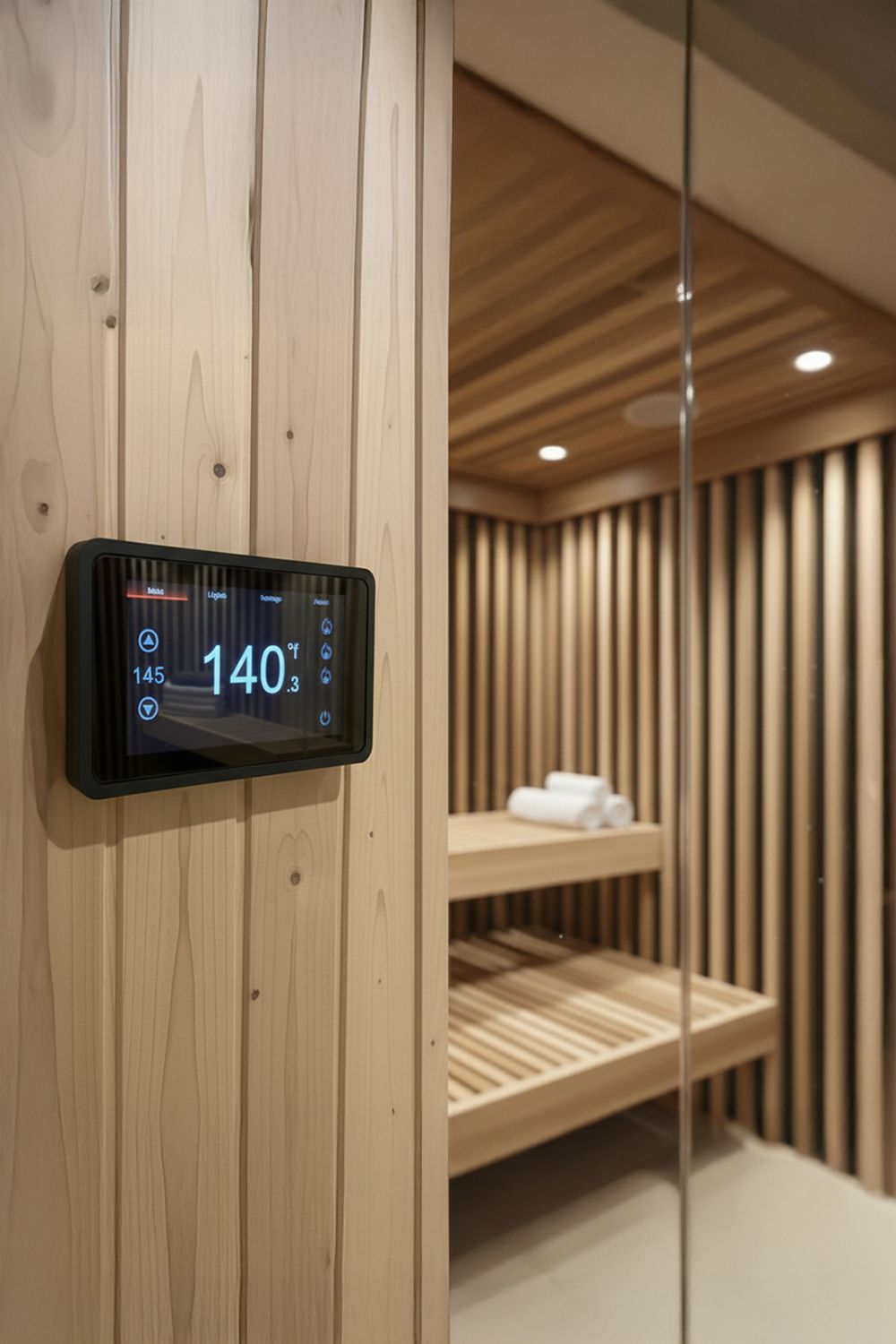
- The four SaunaCloud ingredients: Western Red Cedar (antimicrobial, zero-glue, 25+ year lifespan), VantaWave heaters (7.9μm, 0.97 emissivity, <0.5mG, 20,000+ hours), CORE 5 controller (always supported, serviceable), stainless steel hardware (zero corrosion)
- The longevity math: a $3,000 sauna lasting 5 years costs ~$1.64/session. A $10,000 SaunaCloud lasting 25 years costs ~$1.10/session. The premium sauna is CHEAPER per use. And it never made you sick
- What's NOT in the sauna matters as much as what is: no formaldehyde adhesives, no plywood/MDF, no plastic heater backings that off-gas, no synthetic insulation. The clean label equivalent — especially critical when you're in a hot box breathing deeply
An Italian grandmother's rule: "Buy the best ingredients. Don't use too many. Let each one speak."
A cheap Margherita pizza: factory dough, canned tomatoes, processed mozzarella — edible but forgettable. A great Margherita: 72-hour fermented dough, DOP San Marzano tomatoes, buffalo mozzarella from Campania — transcendent. Same recipe. Same simplicity. Completely different result. The difference is ingredient quality.
An infrared sauna has four ingredients: wood, heaters, controller, hardware. The recipe is simple. The quality of each ingredient determines whether you're building something that lasts 25 years or 5 — and whether you're breathing clean air or formaldehyde.
Ingredient 1 — Wood
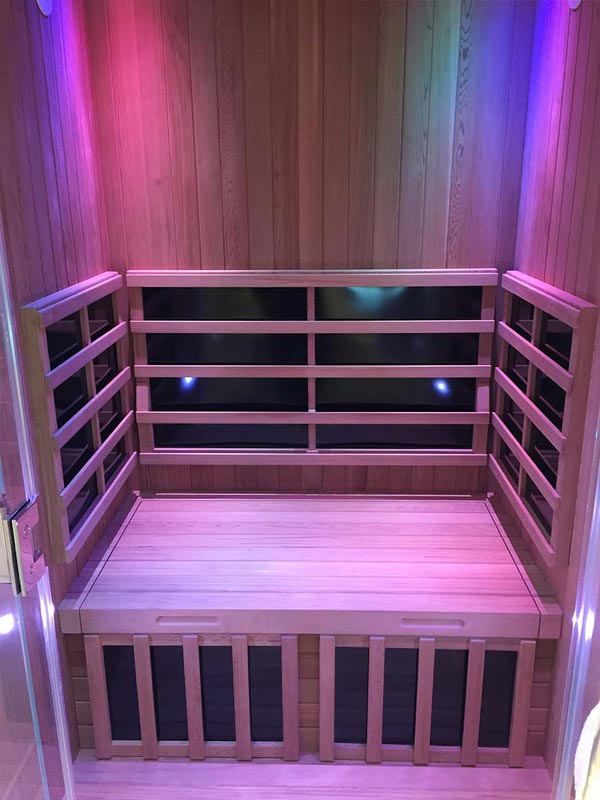
Western Red Cedar is to sauna wood what San Marzano tomatoes are to pizza sauce — the standard everything else is measured against. Naturally antimicrobial (thujaplicins inhibit bacteria, fungi, and mold without chemicals). Naturally aromatic (warm cedar releases calming compounds with mild anxiolytic properties). Naturally dimensionally stable (minimal warping with heat/moisture cycling). Naturally insulating (R-1.35 per inch). Naturally decay-resistant (25-30+ year indoor lifespan). And with tongue-and-groove joinery: zero adhesives. No formaldehyde. No VOCs. No off-gassing.
Hemlock is the canned tomato — adequate, inexpensive, functional, but lacking cedar's antimicrobial properties, dimensional stability, and aromatic character. Basswood is the processed mozzarella — cheap, soft, minimal character, marketed as "hypoallergenic" because it lacks the properties that make cedar premium.
And then there's plywood and MDF — the ingredients that don't belong in the recipe at all. Layers bonded with formaldehyde-based adhesives that off-gas when heated. In an enclosed sauna at 130-140°F, you're breathing elevated concentrations of a known carcinogen during every session. The adhesive degrades with heat cycling, causing delamination. Moisture gets trapped between layers, promoting mold inside walls you can't see. This isn't a materials preference — it's a health concern.
Ingredient 2 — Heaters
Most sauna companies don't design heaters — they buy generic carbon panels from Chinese OEMs and drop them into wooden boxes. They can't tell you the emissivity, the exact peak wavelength, or the EMF at body distance because they didn't engineer the product. VantaWave was designed from scratch: 7.9μm peak wavelength, 0.97 emissivity (97% energy-to-infrared conversion), under 0.5 mG EMF, 20,000+ hour lifespan with zero cold spot development. For the full comparison, see our heater technology article.
Ingredient 3 — Controller
The controller is the brain. CORE 5™: designed specifically for VantaWave, inside + outside displays, ±2°F temperature accuracy, programmable preheat timer, safety auto-shutoff, and always supported — parts available indefinitely. Generic controllers from brands that may go out of business leave you with a wooden box and no brain. Proprietary connections mean you can't substitute another brand's controller. When the brain dies, the sauna dies.
Ingredient 4 — Hardware
Hinges, screws, brackets, latches — the parts nobody thinks about until they fail. Stainless steel doesn't corrode in heat and moisture. Won't rust, stain, or weaken. Lasts the life of the sauna. Zinc-plated steel: plating degrades with heat cycling, rust stains on cedar within 2-3 years, hardware loosens and fails. It's a $50 difference in total materials cost. There is no excuse.
The Four Ingredients
Wood
Western Red Cedar
Antimicrobial, stable, zero off-gas
Plywood / MDF
Formaldehyde, delaminates, mold
Heaters
VantaWave
7.9μm, 0.97 emissivity, <0.5mG
Generic carbon
Variable wavelength, high EMF, 5-yr life
Controller
CORE 5™
Designed for system, always supported
Generic
Proprietary, brand may disappear
Hardware
Stainless steel
25+ years, zero corrosion
Zinc-plated
Rust stains in 2-3 years
The hidden ingredient — what's NOT there
What's not in your sauna matters as much as what is — especially when you're sitting in a heated enclosed space breathing deeply for 30-45 minutes:
- No formaldehyde adhesives — zero glue in tongue-and-groove cedar
- No plywood or MDF — nothing that off-gasses when heated
- No plastic heater backings — no VOCs from heated plastics (the source of "chemical smell" in cheap saunas)
- No synthetic insulation that off-gasses — mineral wool, not expanded polystyrene
This is the "clean label" equivalent in food. You wouldn't eat ingredients you can't pronounce. Don't breathe materials you can't identify.
The longevity math
- Budget sauna ($3,000, 5-7 year lifespan): $500 repair at year 3. $1,500 heater replacement at year 5. Full replacement at year 7 ($3,000 for another cheap one). Total: $7,000-$9,000 over 14 years for two mediocre saunas. Cost per session: ~$1.37-$1.76
- SaunaCloud ($10,000, 25+ year lifespan): Minimal maintenance (cedar oil, gaskets). Controller update at year 12 ($300). Total: ~$10,300 over 25+ years. Cost per session: ~$1.13
You can buy a $2,500 sauna that lasts 5 years or a $10,000 sauna that lasts 25. The expensive one is cheaper. And it never made you sick.
Why "good enough" isn't good enough
You're enclosed in this device for 30-45 minutes daily. You're breathing deeply in a heated space. You're sweating — pores open, skin absorbing. And you're doing this for health. The irony of breathing formaldehyde in a "wellness" device is cruel.
In no other context would you willingly sit in a heated box made of glued plywood and breathe deeply for 45 minutes. But people do it every day in cheap saunas because they don't know what they're breathing. This isn't snobbery — it's safety. Premium materials in a sauna are a health requirement, not a luxury preference.
Four ingredients. Each one the best available. Prepared simply. That's the Italian ingredient philosophy applied to infrared sauna therapy. That's SaunaCloud.
Frequently Asked Questions
You're breathing deeply in a heated enclosed space for 30-45 minutes. The wood determines what you breathe. Western Red Cedar requires zero adhesives in tongue-and-groove construction — no formaldehyde. Plywood and MDF use formaldehyde-based adhesives that release toxic vapors when heated. In a sauna, material quality is a health issue.
For therapeutic saunas, yes. Cedar combines natural antimicrobial properties (thujaplicins), dimensional stability in heat/moisture cycling, natural decay resistance (25+ year lifespan), superior insulation (R-1.35/inch), and a calming aromatic profile. No other commonly available sauna wood matches this combination.
Plywood and MDF contain formaldehyde-based adhesives that off-gas when heated. In an enclosed sauna at 130-140 degrees F, you breathe elevated formaldehyde concentrations — a known carcinogen — during every session. The adhesive also degrades with cycling, causing delamination and trapped moisture that promotes mold. Solid wood construction is strongly recommended for health use.
With quality materials: 20-30+ years. Western Red Cedar resists decay naturally. VantaWave heaters are rated for 20,000+ hours. Stainless steel doesn't corrode. Budget saunas with plywood, generic heaters, and cheap hardware typically last 5-7 years before significant repairs or replacement.
Per session over its lifespan: yes. A $3,000 sauna lasting 5 years costs about $1.64/session. A $10,000 SaunaCloud lasting 25 years costs about $1.10/session — no heater replacements, no structural repairs, no toxic off-gassing. The premium sauna is cheaper per use and safer per breath.
Like great Italian cooking: a few high-quality components prepared simply. Western Red Cedar, VantaWave heaters, CORE 5 controller, stainless steel hardware. Four ingredients. Each the best available. The quality of each determines whether the result lasts 25 years or 5 — and whether you breathe clean air or formaldehyde.
Founder & Lead Designer, SaunaCloud®
3,000+ custom saunas built since 2014 · Author of The Definitive Guide to Infrared Saunas · Featured in Forbes, Inc., and MSN
Chris has been designing and building custom infrared saunas since 2014. He wrote one of the first comprehensive books on infrared sauna therapy and is personally involved in every SaunaCloud build — from design consultation through delivery and beyond.
Continue Reading
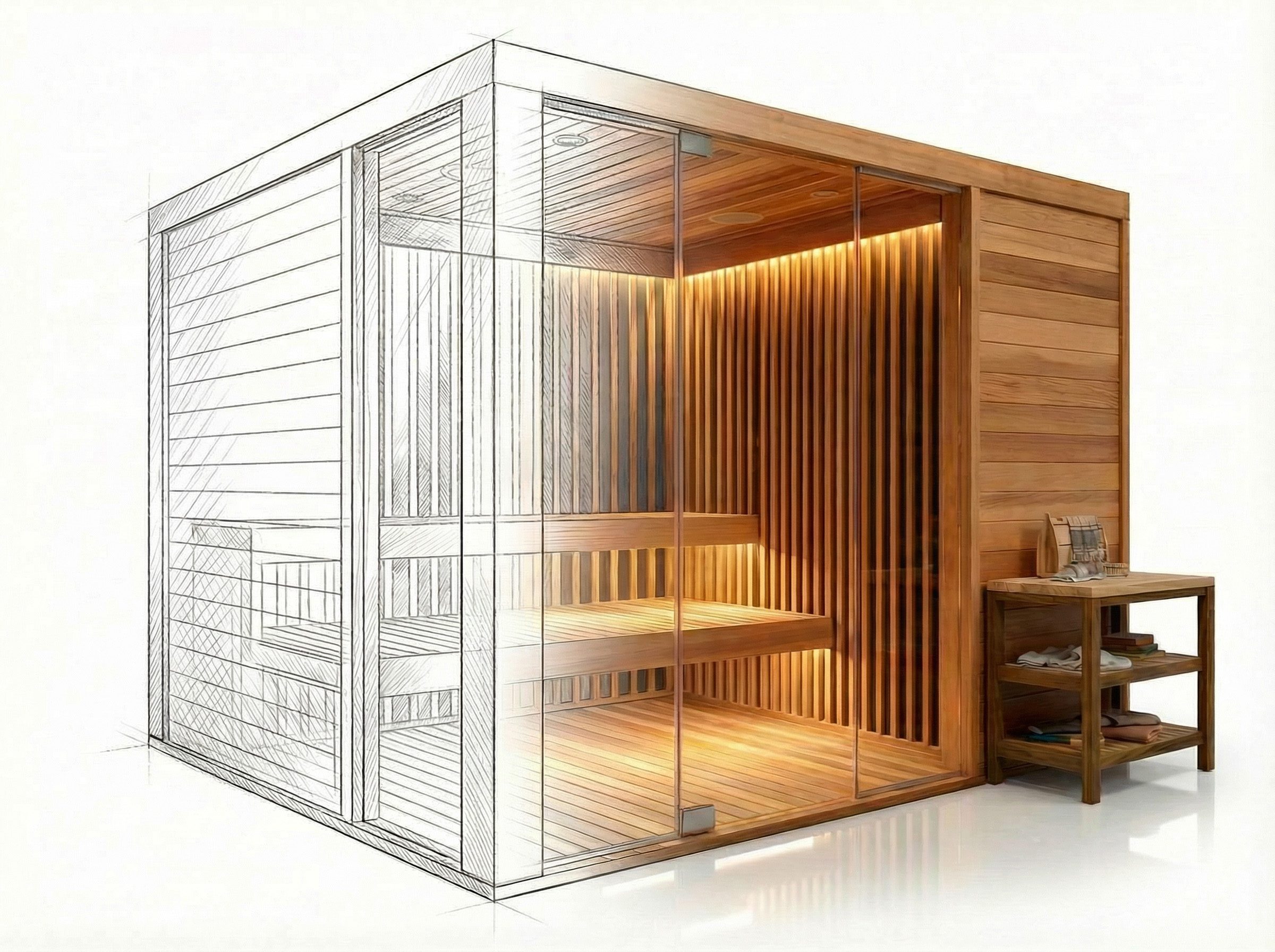
Four Ingredients. Each One the Best.
Western Red Cedar. VantaWave heaters. CORE 5 controller. Stainless steel hardware. The Italian ingredient philosophy, applied to the sauna you'll use every day for 25 years.