
Why Premium Materials Matter: The Italian Ingredient Philosophy Applied to Infrared Saunas (2026)
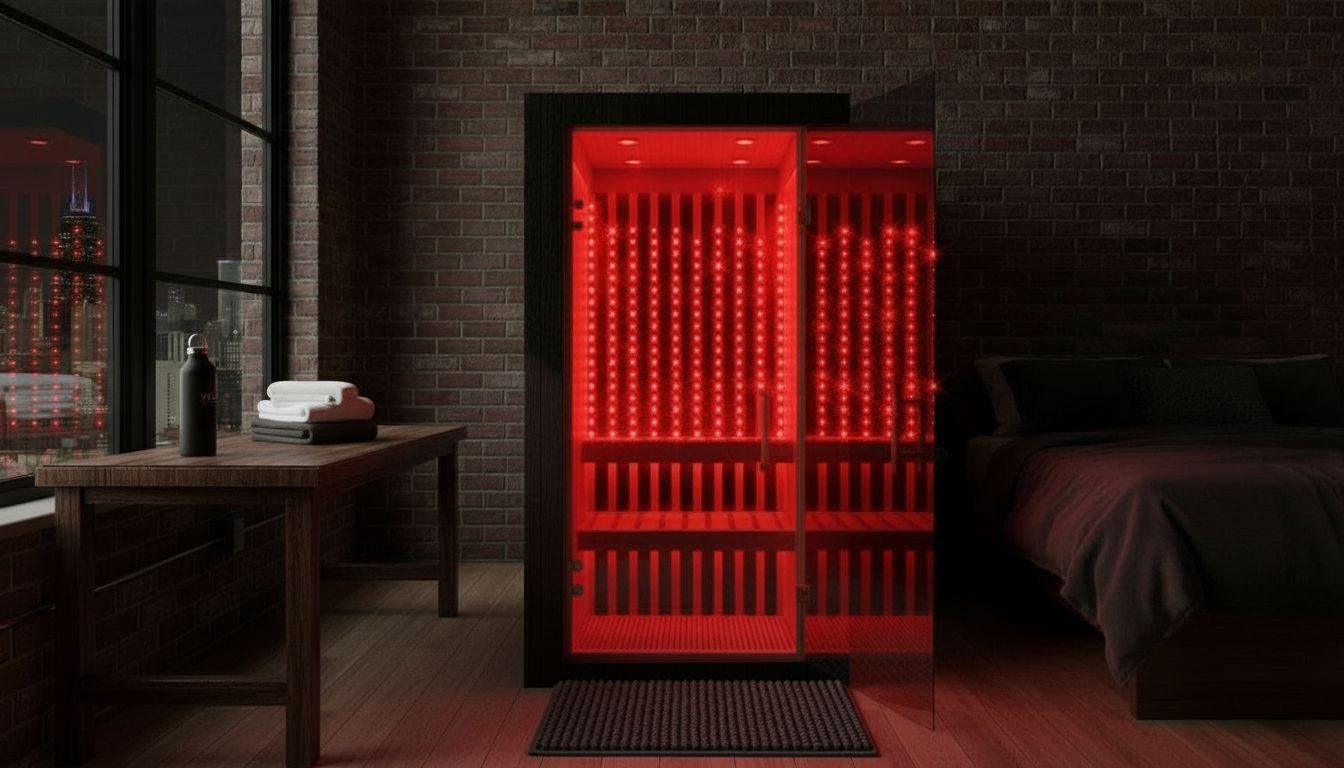
Key Takeaways
- Italian cuisine starts with extraordinary ingredients and does as little as possible to them. SaunaCloud builds the same way: hand-selected Western Red Cedar, VantaWave heaters, CORE 5 power supply, stainless steel fasteners, mechanical joinery. When materials are exceptional, you don't need chromotherapy, Bluetooth, or app integration
- Most companies compete on features (recipes) — add-ons bolted onto a generic box. SaunaCloud competes on ingredients — the wood, heaters, power supply, and engineering. Features can be added to any sauna. Material quality is baked in from the first board and determines performance at year 5, 10, and 20
- Premium materials don't just feel better day one — they perform better over years. Cedar resists mold for decades. Quality heaters maintain output over 30,000+ hours. Reliable power supply eliminates the #1 failure point. Stainless fasteners never corrode. One repair erases the savings from buying cheap
- You spend 20-40 minutes inside this space daily. Cedar aroma, wood grain beauty, tactile warmth, acoustic solidity — these determine whether your minutes feel like a luxury retreat or a plywood box. The experience IS the product
- SaunaCloud builds saunas the way a luthier builds a guitar: made to order, materials hand-selected, fitted to the specific space. Craft, not manufacturing. It takes longer, costs more, and produces something incomparably better
Italian cuisine's genius isn't complex technique. It's starting with extraordinary ingredients and doing as little as possible to them. A perfect tomato needs only olive oil and salt. A perfect mozzarella needs nothing. When your ingredients are exceptional, simplicity IS sophistication.
We build saunas the same way. Hand-selected Western Red Cedar. Precision-engineered VantaWave heaters. In-house CORE 5 power supply. Stainless steel fasteners. Mechanical joinery — no glue, no staples. Then we let the materials speak for themselves. No chromotherapy gimmicks. No salt wall theatrics. No feature list designed to distract from what the box is actually made of.
Ingredients vs recipes
Most sauna companies compete on FEATURES — the recipes. Chromotherapy LEDs. Bluetooth speakers. App integration. Aromatherapy holders. USB charging ports. These are add-ons bolted onto a generic white-label box — the equivalent of putting truffle oil and gold leaf on a mediocre pizza.
SaunaCloud competes on INGREDIENTS — the materials and engineering that go into the box itself. The wood. The heaters. The power supply. The joinery. Features can be added to any sauna. Material quality is baked in from the first board — and determines how the sauna looks, feels, smells, and performs at year 1, year 5, year 10, and year 20.
The material quality hierarchy
Wood: Grade A Western Red Cedar — tight grain, minimal knots, clear heartwood. Naturally antimicrobial (thujaplicins), dimensionally stable at heat, aromatic, beautiful. Compare: Grade C/D cedar (loose grain, sapwood, knots that become hot spots), hemlock (cheaper, less aromatic, less antimicrobial), basswood (cheapest, minimal character), or undisclosed 'eco-friendly hardwood' (code for whatever was cheapest at the mill).
Heaters: VantaWave — proprietary design with specific emissivity targets, surface temperature calculated for therapeutic wavelengths, designed for 30,000+ hours. Compare: catalog carbon panels sourced from the same supplier by dozens of brands. Same part number, different brand sticker. Power supply: CORE 5 — engineered in-house for the thermal cycling demands of a sauna (heating and cooling thousands of times). Compare: generic switching power supply designed for a different application, repurposed because it was cheap.
Fasteners: Stainless steel screws — won't corrode in a high-heat, high-humidity environment. Compare: zinc-plated staples that corrode within 2-3 years (silently — you don't notice until the bench wobbles). Insulation: Foil-faced radiant barrier + mineral wool — reflects infrared energy back into the sauna while providing thermal mass. Compare: thin foam board, or in many prefab cabins — nothing at all.
Why it matters after year one
Every sauna looks good on delivery day. The question is what happens after 1,000 sessions. Cedar's natural oils resist mold, insects, and decay for decades — hemlock requires more maintenance and degrades faster. Quality heaters maintain consistent infrared output over 30,000+ hours — cheap panels degrade gradually, losing output you never notice because the decline is slow. A reliable power supply eliminates the #1 failure point in the industry — one power supply replacement ($300-$500 plus downtime) erases the savings from buying cheap. Stainless fasteners never corrode. Zinc staples fail silently.
The sensory experience IS the product
You spend 20-40 minutes inside your sauna every day. Material quality determines whether those minutes feel like a luxury retreat or a plywood box. The cedar aroma — natural, calming, evolving over time (light sanding refreshes it years later). The wood grain beauty — every SaunaCloud sauna is unique because natural wood patterns are unique. The tactile warmth — smooth, warm cedar under your hands vs rough, generic softwood. The acoustic solidity — solid wood construction vs hollow prefab panels that resonate.
These aren't marketing adjectives. They're the daily sensory experience that determines whether you use your sauna consistently or let it gather dust. The Laukkanen health data comes from 4-7 sessions per week for decades. Consistency IS the variable. And the experience determines consistency.
Craft vs manufacturing
SaunaCloud builds saunas the way a luthier builds a guitar or a cabinetmaker builds furniture. Each one is made to order. Materials are hand-selected. The design is fitted to the specific space — your dimensions, your layout, your aesthetic. This is fundamentally different from a factory stamping out identical boxes with identical components and shipping them to whoever orders.
It takes longer. It costs more. And it produces something incomparably better — a room you love being in, built from materials that get more beautiful with age, engineered to perform for decades. When the ingredients are right, you don't need the gimmicks.
Frequently asked questions
Frequently Asked Questions
Cedar is naturally antimicrobial (thujaplicins kill bacteria and resist mold), dimensionally stable at sauna temperatures, beautifully aromatic, and ages gracefully. Hemlock is cheaper but lacks these properties — requiring more maintenance and degrading faster. Basswood is the cheapest option with minimal character. The wood IS the daily experience — you're breathing its air, sitting on its surface, looking at its grain for 20-40 minutes. That's worth the best.
Because those are features bolted onto a box to make a marketing list longer — they don't make the sauna better. Chromotherapy LEDs at sauna-standard power levels don't produce therapeutic effects. Bluetooth speakers can be added by anyone with a $30 waterproof speaker. We'd rather invest in the heater engineering, power supply reliability, and wood quality that determine whether the sauna works well in year 10 — not in features that look good on a comparison chart but don't affect your health.
Both. You can see it: tight cedar grain vs loose hemlock, smooth joinery vs visible staples, consistent heater panel finish vs cheap carbon with uneven coating. You can feel it: warm smooth cedar vs rough softwood, solid bench that doesn't flex vs lightweight panel that creaks. You can smell it: cedar aroma that refreshes with sanding years later vs neutral-to-chemical odor from cheap materials. And you can measure it: consistent infrared output over 30,000 hours vs gradual degradation.
Ask: What wood species and grade? (If they say 'eco-friendly hardwood' without naming the species, it's cheap.) Where is the power supply manufactured and what's its expected lifespan? Are there any composite wood products (plywood, MDF) anywhere in the construction? What fasteners — stainless steel or staples? Can you provide EMF readings at the seating position? The answers — or inability to answer — tell you everything about material quality.
A $12,000 custom cedar sauna lasting 20+ years costs $600/year. A $3,000 prefab lasting 6 years costs $500/year — and adds zero home value, needs repairs, and provides a worse daily experience. Factor in the $5,000-$15,000 home value addition from a custom build, and the premium option is actually cheaper per year of use. Quality isn't a luxury — it's the better investment.

Founder & Lead Designer, SaunaCloud®
3,000+ custom saunas built since 2014 · Author of The Definitive Guide to Infrared Saunas · Featured in Forbes, Inc., and MSN
Chris has been designing and building custom infrared saunas since 2014. He wrote one of the first comprehensive books on infrared sauna therapy and is personally involved in every SaunaCloud build — from design consultation through delivery and beyond.
Continue Reading
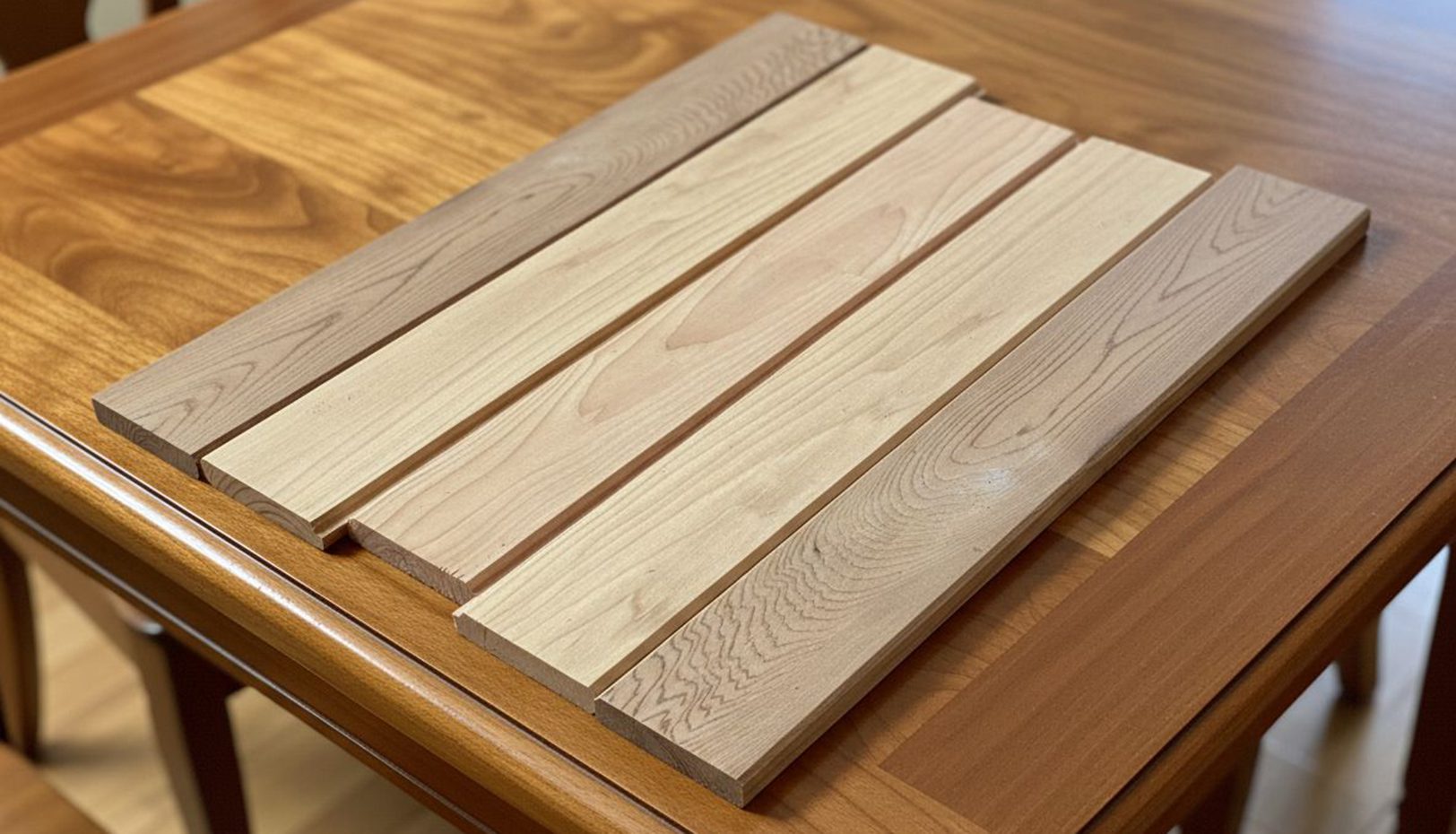
Is Cedar Safe for Infrared Saunas? The Material Science Behind Your Sauna Wood (2026)
Read article
The Infrared Sauna Buying Guide: What 3,000+ Installations Taught Me About What Matters (2026)
Read article
Why 99% of Infrared Saunas Are Exactly the Same — and How to Find the 1% That Aren't (2026)
Read articleSee the Difference Premium Materials Make
Hand-selected Western Red Cedar. VantaWave heaters. CORE 5 power supply. Stainless steel. Mechanical joinery. No gimmicks. Call 800-370-0820.