
The Infrared Sauna Buying Guide: What 3,000+ Installations Taught Me About What Matters (2026)
Key Takeaways
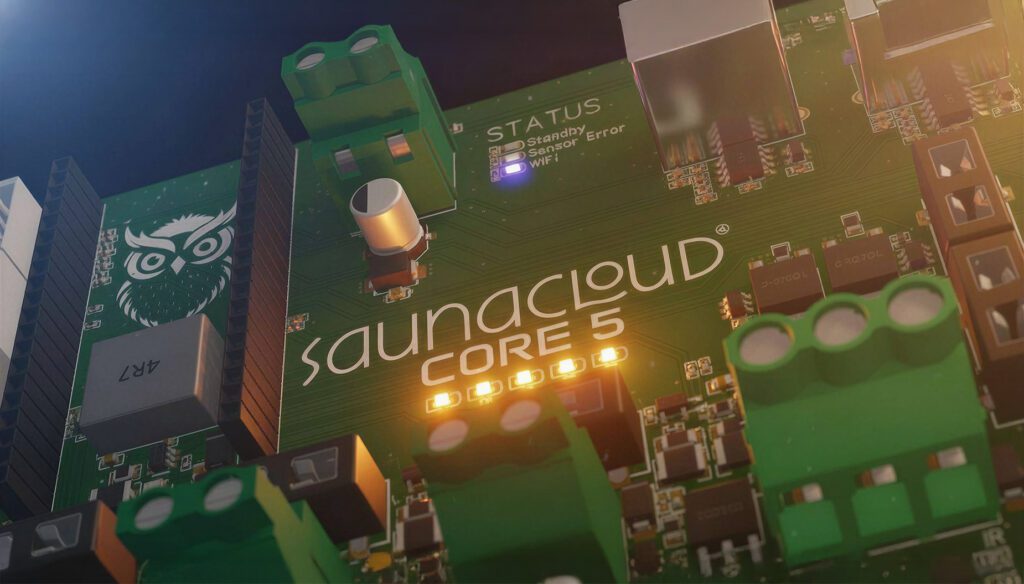
- The #1 failure point in infrared saunas is the power supply — not the heaters, not the wood. Most companies use generic overseas power supplies not designed for thermal cycling. Ask: 'Where is your power supply manufactured and what is its expected lifespan?' SaunaCloud designs our own CORE 5 because we got tired of replacing other companies' failures
- EMF claims are the most manipulated statistic in the industry. Companies report EMF at the panel surface — where you'll never sit. What matters: EMF at YOUR SEATING POSITION, 6-24 inches from the panel. Ask for third-party testing at seated position
- Custom vs prefab isn't about 'better' — a $3K prefab works for renters or people trying infrared. A $10K+ custom build makes sense for homeowners wanting permanent value, optimal heater placement, and red light integration. Over 10 years daily use, custom is actually cheaper per session ($2.74 vs $3.29)
- Ask the question nobody asks: 'What is the surface temperature of your heaters and what wavelength does that produce?' Wien's Law determines wavelength. Most salespeople can't answer because they don't understand the physics of their own product
- Price under $1,500 is a red flag. You cannot build a quality infrared sauna with proper heaters, decent wood, a reliable power supply, and safe electrical at this price. Something was cut — and you'll pay in replacements, repairs, or health risks
I've built over 3,000 custom infrared saunas in the last 12 years. I've seen what lasts, what fails, what customers love after a year, and what they wish they'd known before purchasing. This guide shares all of it — including the things most sauna companies would rather you didn't ask about.
What fails first: the hierarchy nobody shares
From 12 years of builds and support calls, here's the failure hierarchy from most common to least: #1 Power supply — the most common failure point in ALL infrared saunas. Generic overseas power supplies aren't designed for the thermal cycling demands (heating/cooling thousands of times). SaunaCloud designs our own CORE 5 specifically because of this. #2 Control panel — proprietary systems with no replacement parts. When the company goes under or changes models, you're stuck.
#3 Heater degradation — cheap carbon panels lose infrared output over time. Quality panels are designed for 30,000+ hours. #4 Wood quality — inferior wood warps, cracks, or off-gasses at sauna temperatures. #5 Electrical connections — loose connections from thermal cycling (expansion/contraction). This hierarchy tells you WHERE to focus your due diligence — and most buyers focus on the wrong things.
The questions your salesperson hopes you don't ask
1. 'What is the EMF reading at the seating position, not the panel surface?' Most companies report surface EMF — meaningless because you sit 6-24 inches away. EMF drops dramatically with distance. Ask for third-party testing at the seated user position. 2. 'Where is your power supply manufactured, and what is its MTBF?' Mean time between failures tells you how long the most failure-prone component will last. If they can't answer, walk away.
3. 'Can I get replacement parts in 5 years?' Proprietary control systems from companies that change models or go out of business leave you with no options. 4. 'What is the actual surface temperature of your heaters and what wavelength does that produce?' Wien's Law determines wavelength from temperature. This question reveals whether the salesperson understands the physics of their product.
5. 'Is your sauna UL/CSA listed, or is each component individually listed?' Different levels of certification with different safety implications. 6. 'What is the R-value of your wall insulation?' Many prefab cabins have zero insulation — the panels are just wood. This directly affects performance and the temperature your sauna can reach.
Custom vs prefab: the honest comparison
Prefab advantages: Lower upfront cost ($2,000-$6,000). No contractor needed. Portable/movable if you rent. Arrives pre-assembled. Good for testing whether infrared sauna works for you before a larger commitment. Prefab disadvantages: Fixed sizes (won't fit custom spaces). Proprietary parts (no third-party replacements when the company changes models). Limited heater placement. Often zero insulation. Minimal resale value.
Custom advantages: Any size or shape — designed for YOUR space. Heater placement optimized for body coverage (not just 'panels on walls'). Permanent value — adds to home appraisal. Higher-quality materials (Western Red Cedar). Replaceable, non-proprietary components. Red light therapy integration possible. Direct support from the team that designed it. Custom disadvantages: Higher upfront cost ($7,000-$15,000+). Requires contractor for installation. Permanent (can't take it with you). Longer lead time.
Red flags checklist
Walk away if you see: 'Full spectrum' marketing without disclosing heater surface temperatures. EMF claims without third-party testing at seating position. Warranty that excludes the power supply or heaters. Wood species not disclosed or listed as 'eco-friendly hardwood' (code for cheap softwood). No phone support — only email or chatbot. Assembly held together with visible glue or staples. Price under $1,500 — you cannot build a quality infrared sauna at this price point.
Heater types at a glance
Carbon panels: Large surface area, gentle far-infrared, even heat distribution. The standard for quality saunas. Ceramic rods: Concentrated output, higher surface temperature. Hotter spots, less even coverage. Halogen/quartz: Very high surface temperature, intense near/mid-infrared. Good for concentrated overhead delivery. VantaWave: SaunaCloud's system — carbon wall panels for broad FIR coverage plus overhead halogen for concentrated intensity. The Stefan-Boltzmann T⁴ relationship means the overhead panel delivers vastly more infrared per unit area. Full comparison in our heater deep-dive.
Wood matters more than you think
Western Red Cedar: Naturally antimicrobial (thujaplicins), dimensionally stable at heat, aromatic, beautiful grain, resists rot and insects. The gold standard. Hemlock: Adequate. Common in mid-range saunas. Lacks cedar's antimicrobial properties and aroma but stable and safe. Basswood: Hypoallergenic, minimal scent. Good for sensitive users. Less durable than cedar. 'Eco-friendly hardwood' or undisclosed species: Red flag. Often cheap softwood that may off-gas or degrade. If the company won't name the wood species, there's a reason.
EMF: how to evaluate claims honestly
EMF (electromagnetic fields) from sauna electronics is a legitimate consideration — but the way it's marketed is often misleading. What to ask for: third-party EMF testing at the SEATING POSITION (6-24 inches from panels), not at the panel surface. What the numbers mean: <3 mG at seating position = low (SaunaCloud's standard). <1 mG = ultra-low. >10 mG = worth investigating the wiring design. Context: your hair dryer produces 1-70 mG at close range. EMF drops with distance squared — surface measurements are meaningless for user exposure.
Total cost of ownership
Electricity: Infrared saunas use 1.5-3 kW. At $0.15/kWh, a 30-minute session costs $0.08-$0.15. Daily use: $3-5/month. Replacement parts: Cheap saunas may need power supply replacement ($200-$500) within 3-5 years. Quality saunas: 10+ years without major replacement. Resale value: Custom built-in saunas add to home appraisal value. Prefab cabin saunas have minimal resale (used prefabs sell for 30-50% of purchase price).
The per-session math: A $10,000 custom sauna used daily for 10 years = 3,650 sessions = $2.74/session. A $3,000 prefab replaced every 5 years (total $6,000) over 10 years = 3,650 sessions = $1.64/session IF it never needs repairs. With one $400 power supply replacement per unit: $1.86/session. Factor in added home value for custom (zero for prefab) and the gap narrows further. Quality isn't just about the experience — it's about the economics.
The SaunaCloud difference
Every feature we've built addresses a specific failure point or quality concern: CORE 5 power supply — designed in-house because generic power supplies are the #1 failure. VantaWave heaters — engineered from the physics up, designed for 30,000+ hours. Western Red Cedar — no 'eco-friendly' euphemisms. Red light therapy integration — 660nm + 850nm at therapeutic power, not decorative chromotherapy. Direct phone support — 800-370-0820 — the team that designed your sauna, not a call center.
Frequently asked questions
Frequently Asked Questions
Prefab cabin: $3,000-$6,000 for a quality unit from a reputable manufacturer. Below $2,000: corners were cut. Custom built-in: $7,000-$15,000+ depending on size, materials, and features. The higher upfront cost buys better components, longer lifespan, home value addition, and direct support. Over 10 years of daily use, the per-session cost of either option is under $3.
The power supply — it's the #1 failure point and the component most companies spend least on. Ask where it's manufactured, what its expected lifespan is, and whether it's covered under warranty. A sauna with great heaters and a cheap power supply will fail within 3-5 years. SaunaCloud designs our own CORE 5 specifically because of this pattern.
No — it's a marketing claim. 'Full spectrum' saunas typically use far infrared carbon panels PLUS a small near-infrared halogen element. The 'mid infrared' wavelength range they claim is often not delivered at therapeutic doses. The physics of heater surface temperatures (Wien's Law) determines what wavelengths are actually emitted. See our full-spectrum exposé for the detailed breakdown.
Depends on your situation. Renting or moving soon? Prefab makes sense — portable, lower commitment. Homeowner who wants permanent value, optimal heater placement, and the best possible session? Custom. Testing whether infrared works for you? A quality prefab is a reasonable starting point. Already know you'll use it daily for years? Custom pays for itself in longevity and per-session economics.
Ask for third-party EMF testing at the SEATING POSITION — not the panel surface. EMF drops dramatically with distance (inverse square law). Surface readings are meaningless for actual user exposure. Benchmarks: <3 mG at seating position = low. <1 mG = ultra-low. Context: a hairdryer at close range = 1-70 mG. If a company won't provide seated-position readings, they may be hiding unfavorable numbers.
Minimum: 5-year warranty that covers heaters AND the power supply (the most failure-prone component). Better: lifetime heater warranty + 5+ year power supply/electronics warranty. Red flag: warranty that specifically EXCLUDES the power supply or 'electronic components' — those are the parts most likely to fail. Also check: does the company have a phone number you can call for warranty service?
SaunaCloud provides detailed build plans and phone/video support — your contractor or experienced DIYer installs the kit. The framing, insulation, and wood installation are standard carpentry. The electrical work must be done by a licensed electrician per local codes. We support you through every step. Most builds are completed in 2-5 days of construction time.
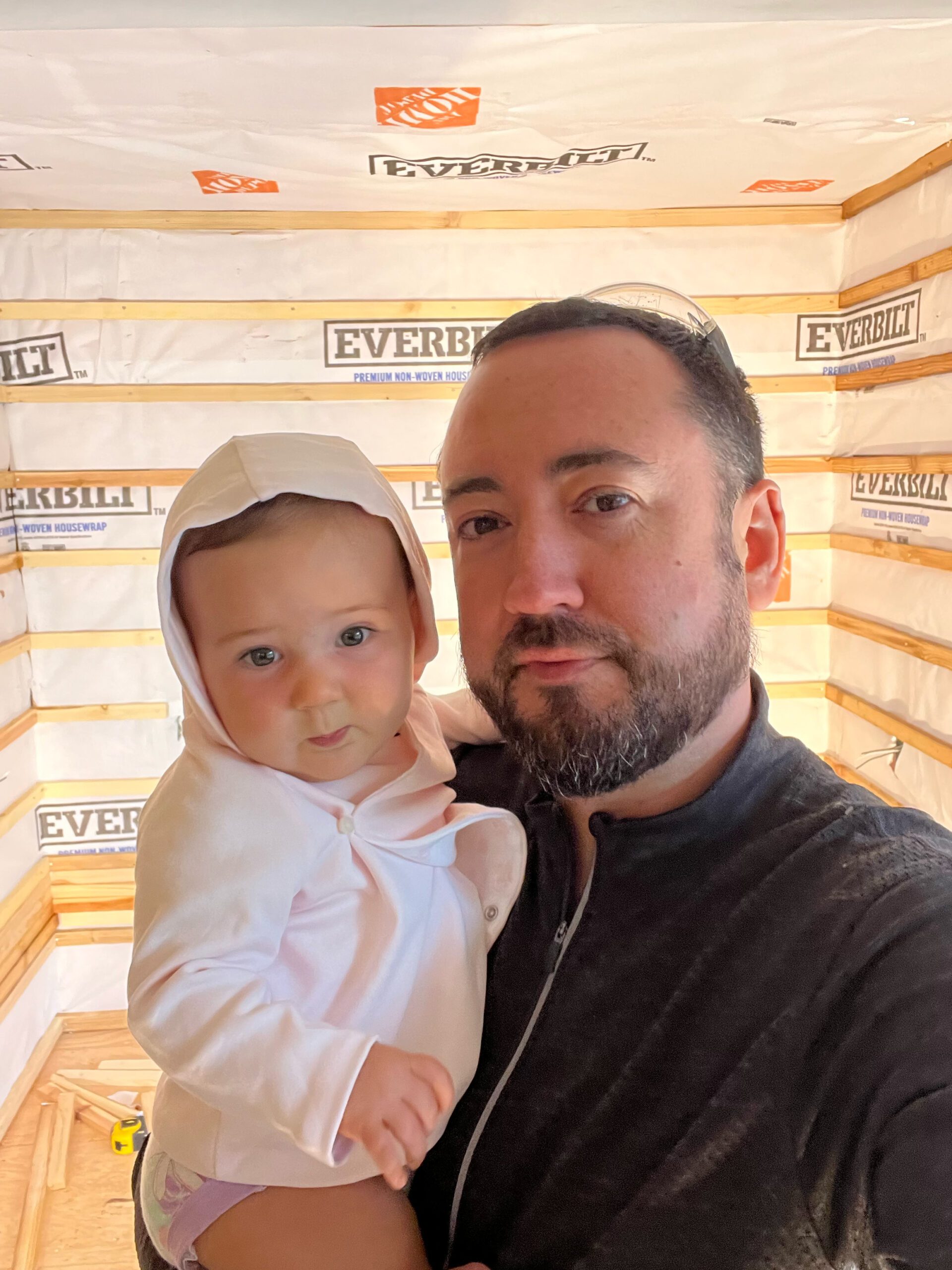
Founder & Lead Designer, SaunaCloud®
3,000+ custom saunas built since 2014 · Author of The Definitive Guide to Infrared Saunas · Featured in Forbes, Inc., and MSN
Chris has been designing and building custom infrared saunas since 2014. He wrote one of the first comprehensive books on infrared sauna therapy and is personally involved in every SaunaCloud build — from design consultation through delivery and beyond.
Continue Reading
Infrared Sauna Heater Comparison: Carbon vs Ceramic vs Halogen vs VantaWave® (2026)
Read article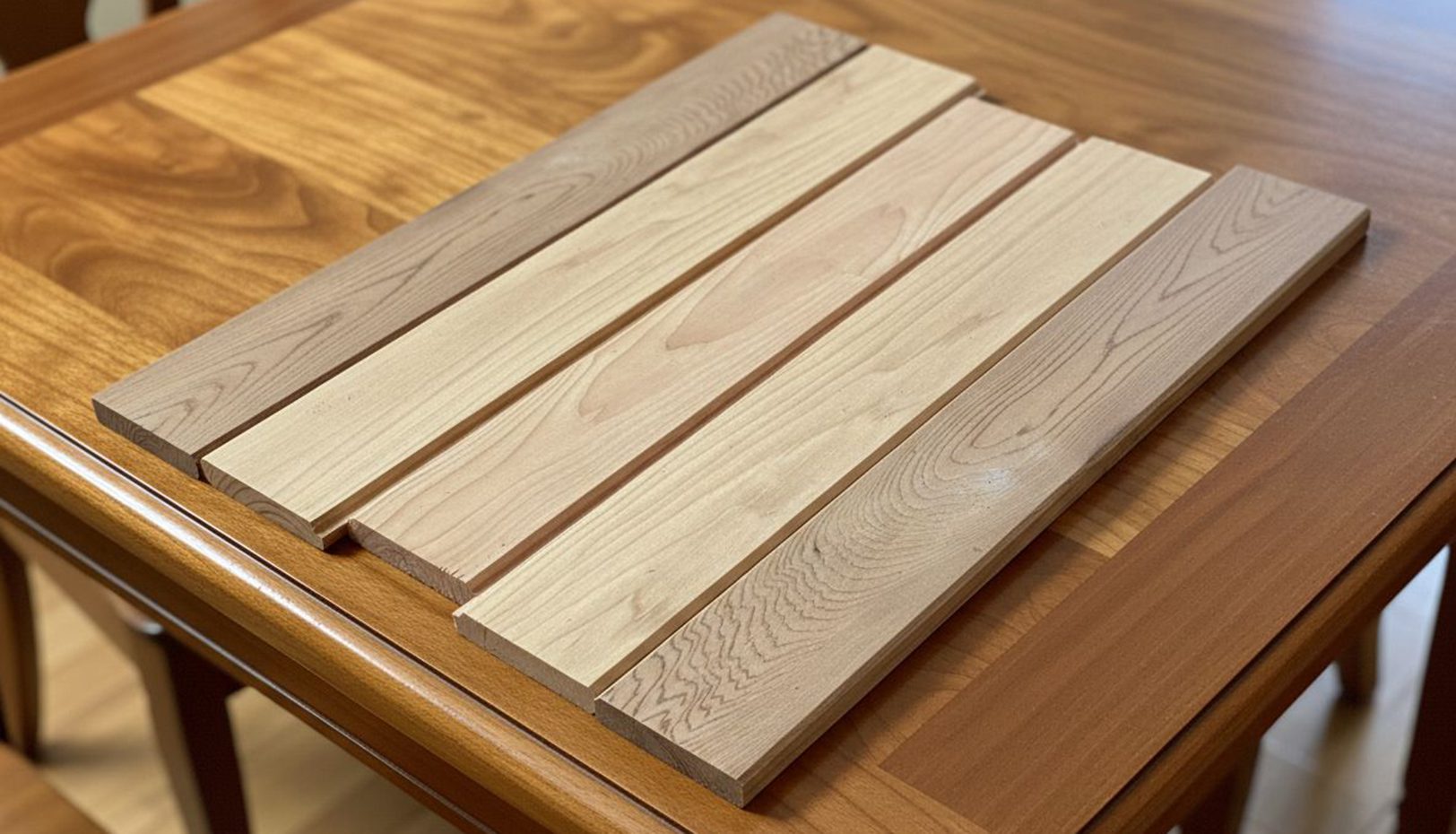
Is Cedar Safe for Infrared Saunas? The Material Science Behind Your Sauna Wood (2026)
Read article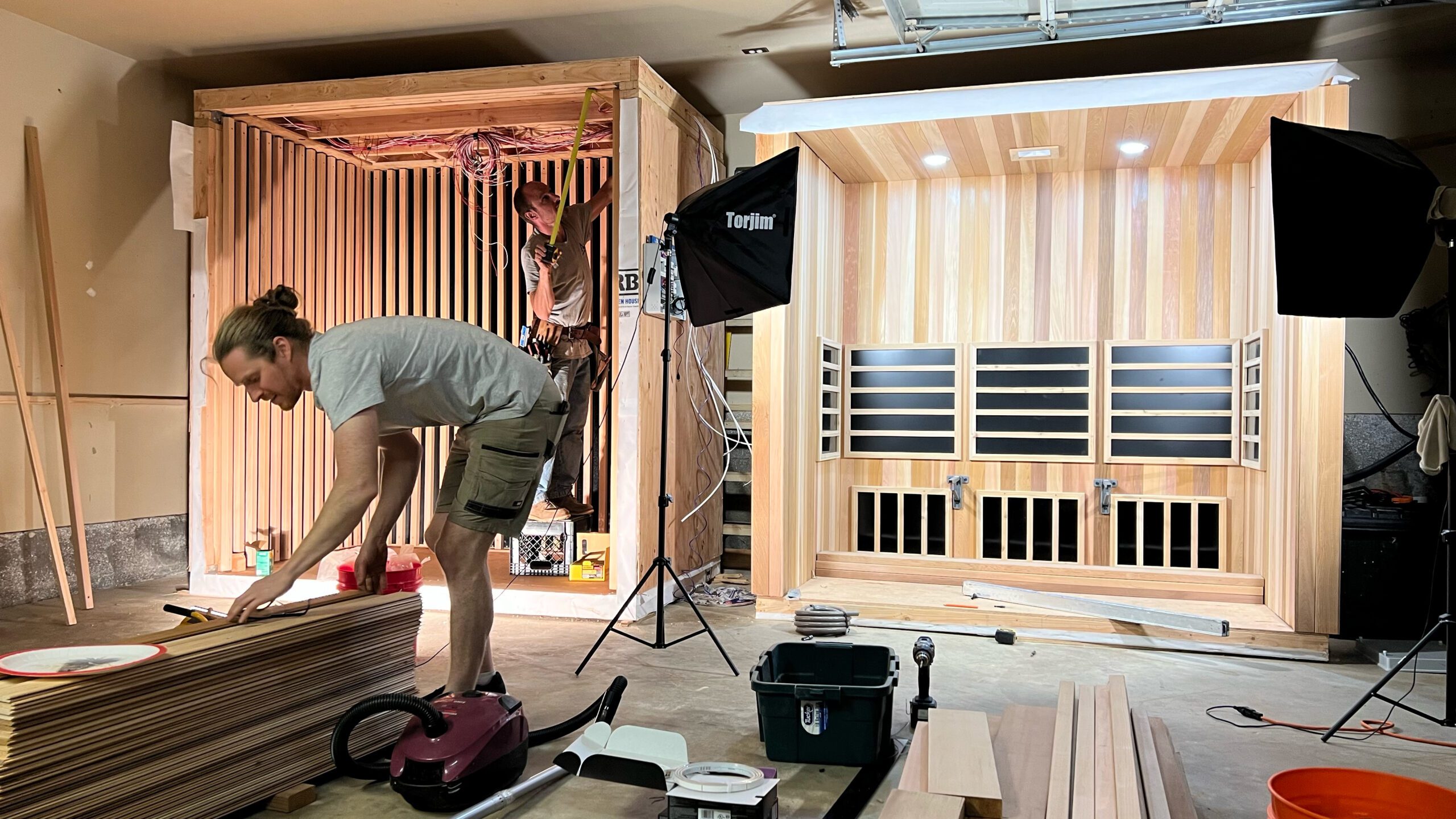
How to Build a Custom Infrared Sauna: The Engineer's Guide (2026)
Read articleReady to Invest in a Sauna That Lasts?
CORE 5 power supply. VantaWave heaters. Western Red Cedar. Direct support from the team that designed it. Call 800-370-0820.