
Infrared Sauna for Arthritis: Deep Joint Relief for OA, RA, Psoriatic Arthritis, and AS

Key Takeaways
- 58.5 million Americans have arthritis — the #1 cause of work disability. Current treatments (NSAIDs, corticosteroids, biologics) all carry significant side effects. Infrared fills the gap: effective daily pain management without liver/kidney damage, bone loss, or immune suppression
- Far infrared penetrates 1.5-2 inches — reaching INTO the joint capsule, synovial membrane, and cartilage. A heating pad only reaches 2mm (skin surface). This depth difference is why infrared provides dramatically better joint relief than any surface-level heat therapy
- The anti-inflammatory effect targets the SAME cytokines as biologic medications: TNF-alpha (targeted by Remicade) and IL-6 (targeted by Actemra). Infrared doesn't replace biologics but provides additional inflammatory control. The effect is cumulative — daily use produces lasting baseline reduction
- Condition-specific protocols: OA — 130-140 degrees F daily, position joints toward heaters. RA — start gentler at 125-130 degrees F (immunosuppressant considerations), complements biologics. Psoriatic arthritis — joint + skin benefit, red light for plaques. AS — back toward panels, morning sessions for spinal stiffness
- The financial argument: biologics cost $20,000-$60,000/year. If infrared reduces medication needs even partially, the sauna investment pays for itself. Many patients report reducing NSAID use after 4-8 weeks of consistent daily sauna — always with rheumatologist guidance
Arthritis affects 58.5 million Americans — nearly one in four adults. It's the leading cause of work disability in the United States, with an annual economic burden exceeding $304 billion. By 2040, that number is projected to reach 78 million. If you have arthritis, you're not alone. But you're probably frustrated.
Frustrated because the options are limited: NSAIDs that risk your liver, kidneys, and stomach lining with daily use. Corticosteroids that thin your bones and increase weight. DMARDs that suppress your immune system. Biologics that cost $20,000-$60,000 per year and increase infection risk. Joint replacement when everything else fails.
There's a gap in that list: effective daily pain management that doesn't come with serious side effects. Infrared sauna therapy fills it. Not as a replacement for medical treatment — but as a drug-free complement that provides multi-mechanism joint relief you can use every single day without worrying about what it's doing to your organs.
How infrared therapy addresses arthritis
1. Deep joint heating — not surface warming
This is the fundamental advantage. VantaWave far infrared penetrates 1.5-2 inches into tissue — reaching into the joint capsule, synovial membrane, cartilage surfaces, and the muscles and tendons surrounding the joint. A heating pad warms the skin surface (~2mm). A hot bath reaches subcutaneous fat (~5mm). Infrared reaches the joint itself.
Depth of Penetration
Only infrared reaches the joint itself
Heating pad
~2mm
Skin surface only
Hot water
~5mm
Subcutaneous fat
Far infrared
38-50mm
REACHES THE JOINT
At this depth, heat increases synovial fluid viscosity — joints feel more lubricated and move more freely. Periarticular muscles that go into protective spasm relax. Stiffness decreases. Range of motion improves. Pain during movement diminishes. This is why arthritis patients consistently describe the 2-4 hours after a sauna session as their best hours of the day.
2. Inflammatory cytokine reduction
Arthritis — especially rheumatoid arthritis — is driven by inflammatory cytokines: TNF-alpha, IL-1beta, IL-6, IL-17. Far infrared reduces TNF-alpha and IL-6 systemically. These are the same targets as biologic medications: Remicade targets TNF-alpha, Actemra targets IL-6. Heat shock proteins (HSP70) inhibit NF-kB — the master inflammatory switch driving joint destruction.
The anti-inflammatory effect is cumulative. A single session provides temporary relief. Consistent daily use produces lasting reduction in baseline inflammation — the same principle behind daily medication, but without the side effects.
3. Improved joint circulation
Arthritic joints have impaired blood flow. Infrared vasodilation increases blood flow to the joint — delivering oxygen and nutrients while removing inflammatory waste products. Better circulation supports cartilage health (cartilage depends on diffusion from synovial fluid) and, for RA patients, delivers medication more effectively to inflamed joints.
4. Multi-mechanism pain relief
Heat exposure triggers beta-endorphin release — your body's natural opioid. Combined with the anti-inflammatory cytokine reduction and deep muscle relaxation, infrared provides pain relief through three independent mechanisms simultaneously from a single therapy. For chronic arthritis patients taking daily painkillers, this multi-mechanism approach may reduce medication dependency over time.
5. Morning stiffness reduction
Morning stiffness is the hallmark complaint. In OA, overnight inactivity allows joint fluid to gel (15-30 minutes of stiffness). In RA, overnight inflammatory accumulation produces stiffness lasting 30-60+ minutes. A morning sauna session — even a short 15-20 minutes — dramatically reduces this stiffness. Evening sessions' residual effects often carry into the next morning.
Condition-specific guidance
Arthritis Types & How Infrared Helps
Osteoarthritis
32.5MJoint heating, circulation, cartilage support, stiffness relief
130-140°F daily, joints toward panels
Rheumatoid Arthritis
1.5MImmune modulation, TNF-α reduction, complements biologics
125-140°F daily, start gentle
Psoriatic Arthritis
~2MJoint relief + skin improvement, red light for plaques
130-140°F daily, red light panels
Ankylosing Spondylitis
~2.7MSpinal heating, flexibility maintenance, morning stiffness
Back toward panels, AM sessions
Osteoarthritis (32.5 million Americans)
The "wear and tear" form — cartilage degradation, bone spurs, joint space narrowing. Most common in knees, hips, hands, and spine. Infrared provides pain relief, improved joint circulation, reduced stiffness, and potentially slowed cartilage degradation through better nutrient delivery. Red light therapy at 630nm promotes chondrocyte (cartilage cell) activity.
Protocol: 130-140°F, 30-40 minutes, daily. Position affected joints toward heater panels. This is the largest arthritis population and one of the most responsive to infrared therapy.
Rheumatoid arthritis (1.5 million)
Autoimmune — the immune system attacks joint synovium, causing chronic inflammation and joint destruction. Infrared provides immune modulation (Th1/Th2 balance), TNF-alpha and IL-6 reduction, pain relief, and morning stiffness reduction. It complements biologic medications rather than conflicting with them.
Protocol: Start gently at 125-130°F (RA patients may be on immunosuppressants). Build to 135-140°F. Daily use is critical for sustained anti-inflammatory benefit. Some patients experience heat sensitivity during severe flares — use between flares and during mild-moderate activity.
Psoriatic arthritis (~2 million)
Autoimmune affecting both joints and skin. Infrared provides dual benefit: joint pain relief through the same mechanisms as RA, plus improved skin blood flow that may help psoriasis patches. Red light therapy at 630nm has specific clinical evidence for psoriatic skin lesions through photobiomodulation. Some patients report skin clearing alongside joint improvement.
Ankylosing spondylitis (~2.7 million)
Autoimmune primarily affecting the spine and sacroiliac joints — progressive stiffening and potential vertebral fusion. Position your back toward the rear heater panels for maximum spinal exposure. Morning sessions are particularly valuable as AS morning stiffness can last hours. Gentle stretching inside the warm sauna helps maintain spinal flexibility — the heat makes tissue more pliable for safer, more effective stretching.
Gout-related arthritis
Covered in detail in our gout guide. Key point: infrared helps BETWEEN flares for uric acid management and prevention. Do NOT heat an actively inflamed gouty joint — the inflammation needs to resolve first.
Why infrared beats other heat therapies for arthritis
- Heating pad: Only covers a small area, only 2mm depth. Doesn't reach the joint. Burns with prolonged use
- Hot bath: Surface-level heating only. Hard to get in/out of for hip and knee arthritis patients. Short, uncontrolled duration
- Hot tub: Expensive maintenance, infection risk (especially immunosuppressed RA patients), difficult entry/exit, chemical exposure
- Traditional sauna: 180-200°F is too intense for many arthritis patients on medications. Sessions too short for therapeutic benefit
- Infrared sauna: Penetrates to joint depth (1.5-2"). Comfortable 130-140°F for 30-40 min sessions. Bench at accessible height. No water/chemicals. Precise temperature control. Sustainable daily for decades
The arthritis sauna protocol
- Phase 1 (Week 1-2): 125-130°F, 20 minutes, 3-4x/week. Assess joint response over 24 hours
- Phase 2 (Week 3-6): 130-135°F, 25-30 minutes, 4-5x/week. Meaningful stiffness and pain reduction typically begins here
- Phase 3 (Week 7+): 135-140°F, 30-40 minutes, daily. Cumulative anti-inflammatory benefit reaches full effect
Positioning: Face the most affected joints toward heater panels — knees toward front, back toward rear, hands held open toward sides. For whole-body arthritis, rotate mid-session. In-sauna stretching: gentle range-of-motion exercises while tissue is warm and pliable can improve flexibility beyond room-temperature stretching — the same principle physical therapists use.
Best timing: Morning sessions reduce the day's stiffness. Evening sessions promote sleep — critical since 60-80% of arthritis patients report pain-disrupted sleep. For elderly arthritis patients, accessible design features (grab bars, low step-over threshold, adjustable bench heights) are part of SaunaCloud's custom design process.
Reducing medication dependency
This isn't about stopping medications abruptly — it's about potentially reducing dosage over time with your rheumatologist's guidance. Many arthritis patients report reducing NSAID use after 4-8 weeks of consistent daily sauna. Some extend intervals between corticosteroid injections. A few on stable biologic therapy report fewer breakthrough symptoms.
The financial argument: biologics cost $20,000-$60,000 per year. If infrared reduces the need for medication even partially, the sauna investment pays for itself. But never change medication doses independently — always work with your rheumatologist. See our contraindications guide and evidence review.
Arthritis patients are some of our most devoted daily users. They tell me the difference between a day with a sauna session and a day without is night and day — literally the difference between being able to garden, cook, and play with grandchildren versus sitting in a chair with stiff, aching joints. The fact that this comes without the side effects of daily NSAIDs or the cost of biologics makes it one of the clearest value propositions we offer.
Frequently Asked Questions
Yes — and the evidence is strong. Far infrared penetrates 1.5-2 inches into tissue, reaching the joint capsule directly. This deep heating reduces stiffness, relieves pain through endorphin release, decreases inflammatory cytokines (TNF-alpha, IL-6), and improves joint circulation. Studies by Matsushita and Isomaki demonstrate significant pain and stiffness reduction. Most arthritis patients report meaningful improvement within 3-4 weeks of daily use.
Significantly. A heating pad warms only the skin surface (~2mm). Far infrared penetrates 1.5-2 inches — reaching the joint capsule, synovial membrane, and surrounding muscles. This deeper heating provides more effective pain relief, reduces morning stiffness more completely, and delivers systemic anti-inflammatory benefits that a localized surface-level pad cannot.
Daily use produces the best results. The anti-inflammatory and pain-relieving effects are cumulative — consistent sessions build on each other. Start with 3-4 sessions per week and increase to daily over 2-3 weeks. Most patients find their optimal protocol at 130-140 degrees F for 30-40 minutes.
Some patients report reducing NSAID use and extending corticosteroid injection intervals after 4-8 weeks of consistent daily sauna use. However, never adjust medications without your rheumatologist's guidance. Infrared is a complement to medical treatment. The financial comparison is notable: biologics cost $20,000-$60,000 per year, while a one-time sauna investment may reduce ongoing medication needs.
Yes. RA is driven by inflammatory cytokines (TNF-alpha, IL-6) — the same markers infrared therapy reduces. Infrared also modulates the Th1/Th2 immune balance disrupted in autoimmune conditions. It complements biologic medications. Start gently at 125-130 degrees F if on immunosuppressants, build gradually, and use consistently. Some RA patients are heat-sensitive during severe flares — use between flares.
Yes — and it's highly effective. Warm tissue is more pliable and stretches more safely. Gentle range-of-motion exercises inside the sauna improve joint flexibility beyond what room-temperature stretching achieves. This mimics what physical therapists do by warming tissue before manual work. Keep movements gentle and within your pain-free range.
Morning sessions are ideal for reducing the stiffness that's worst upon waking — for both OA (15-30 minutes of stiffness) and RA (30-60+ minutes). Even a short 15-20 minute morning session can transform the first hours of the day. Evening sessions promote sleep, which is critical since 60-80% of arthritis patients have pain-disrupted sleep.

Founder & Lead Designer, SaunaCloud®
3,000+ custom saunas built since 2014 · Author of The Definitive Guide to Infrared Saunas · Featured in Forbes, Inc., and MSN
Chris has been designing and building custom infrared saunas since 2014. He wrote one of the first comprehensive books on infrared sauna therapy and is personally involved in every SaunaCloud build — from design consultation through delivery and beyond.
Continue Reading
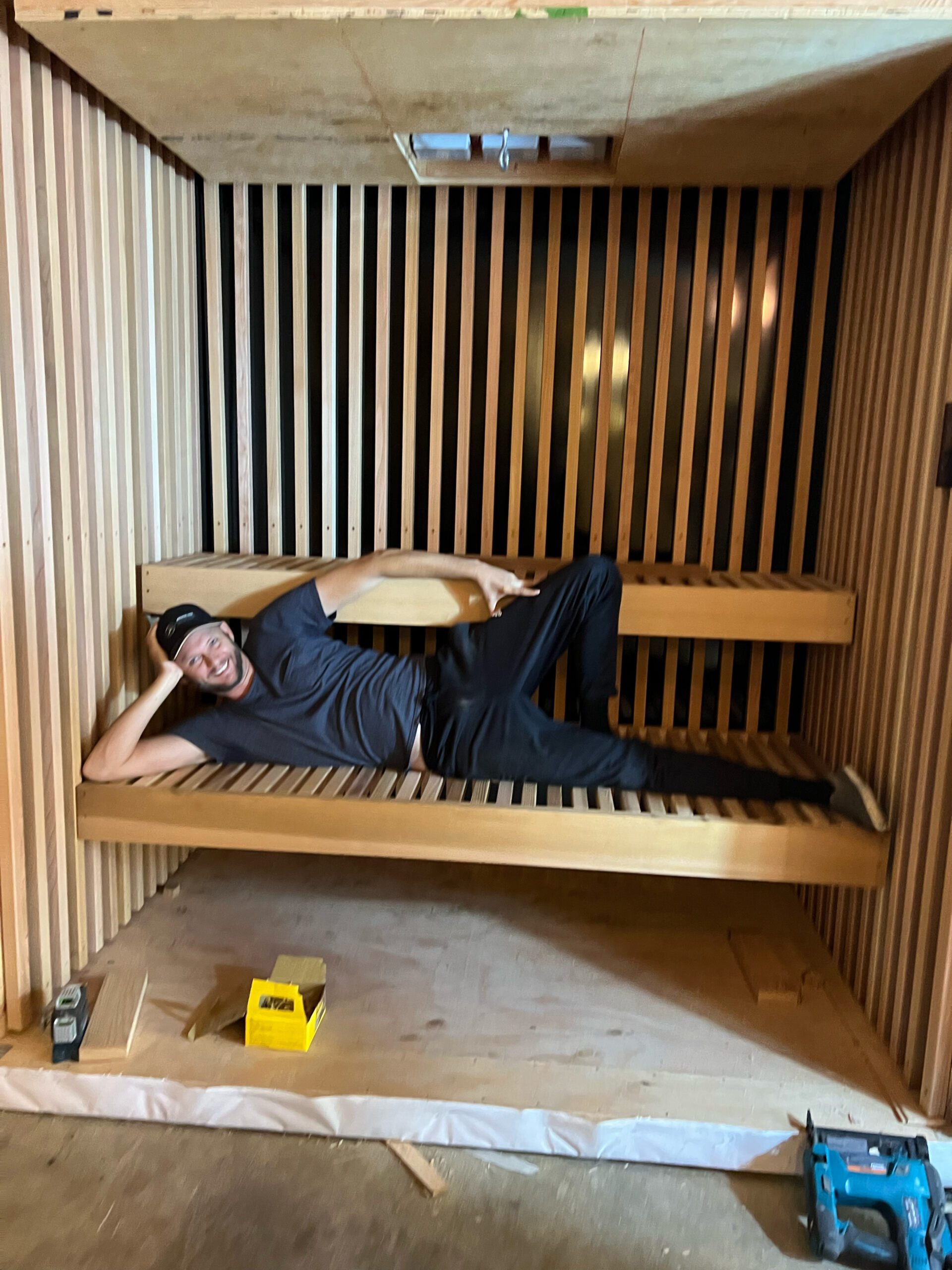
Infrared Saunas for Seniors: Longevity, Pain Relief, Cognitive Protection, and Safety
Read article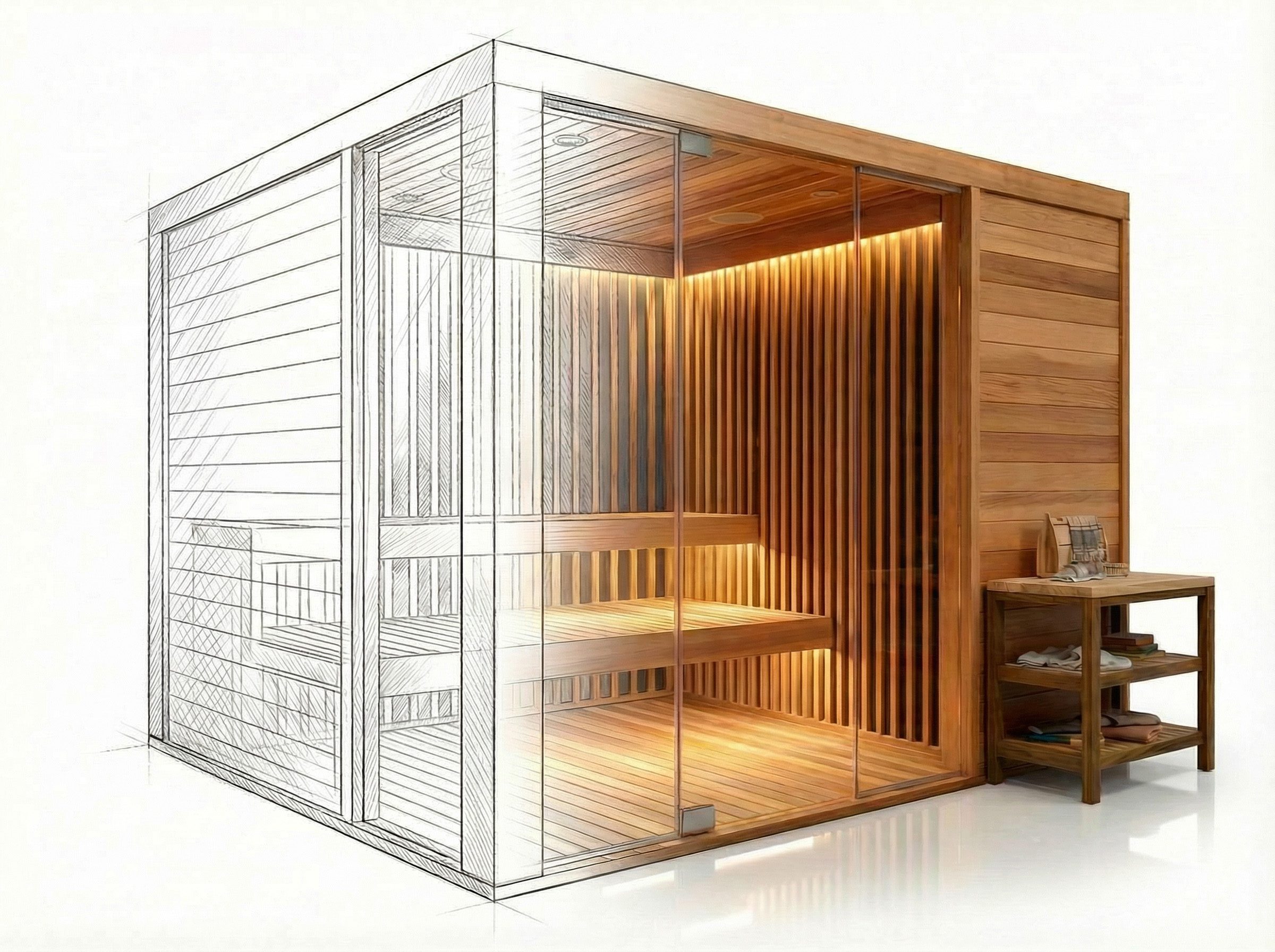
Hot Yoga in an Infrared Sauna: Poses, Benefits, and a 30-Minute Session Guide
Read article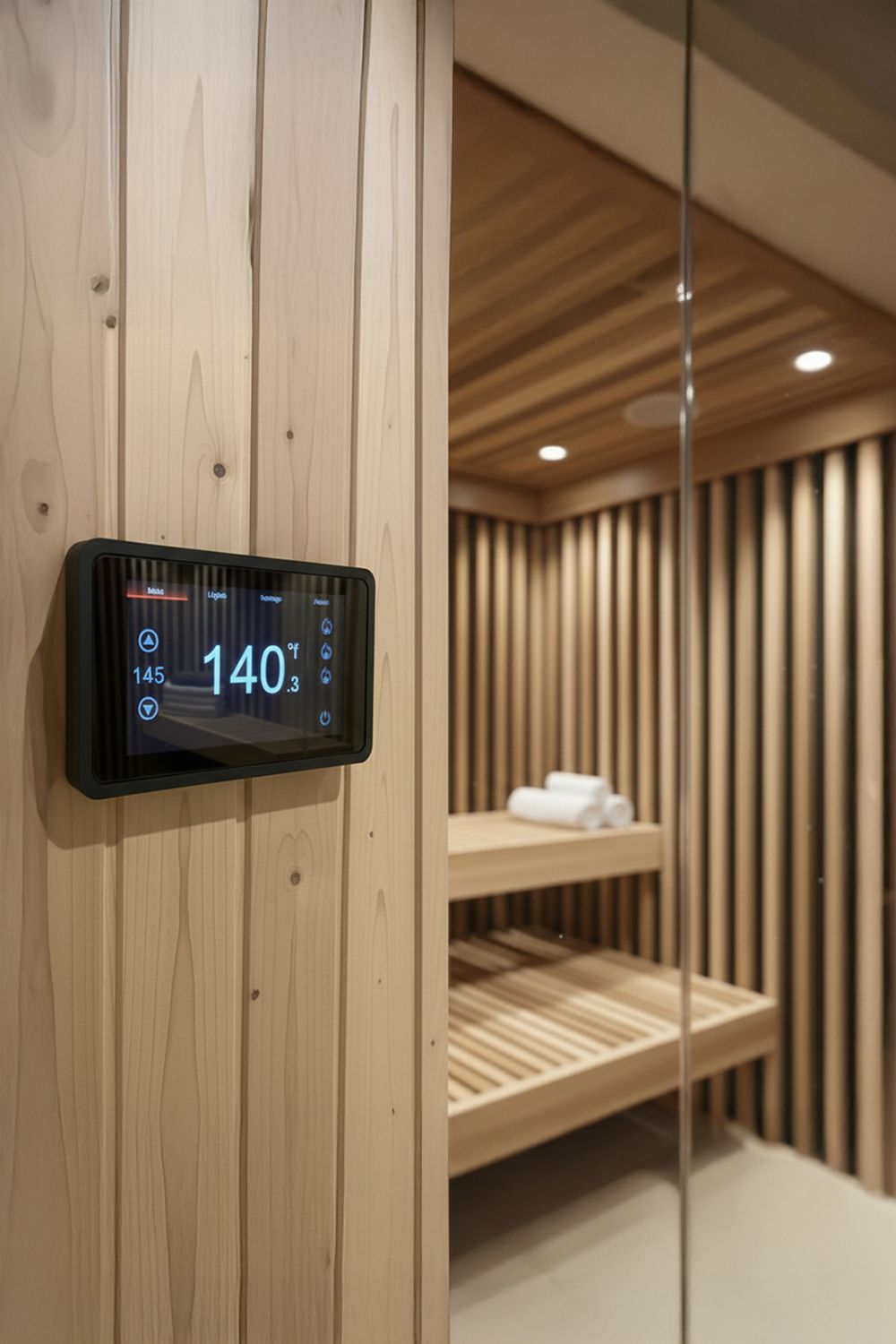
Why Premium Materials Matter in Infrared Saunas: The Italian Ingredient Philosophy
Read articleDesigned for Arthritis — Accessible, Deep-Heating, Daily Relief
VantaWave far infrared reaches your joints — not just your skin. Red light for cartilage support. Custom bench heights and grab bars for mobility limitations. Call 800-370-0820.