
Carbon vs Ceramic Infrared Sauna Heaters: Which Is Best? (And Why Both Have Tradeoffs)
Key Takeaways
- Ceramic rods (Gen 1): high power output but wrong wavelength (4-6μm), intense hot spots, high EMF (20-50+ mG), uncomfortable. Carbon panels (Gen 2): correct wavelength (8-10μm), comfortable, even coverage — but weak power output, 5,000-8,000 hour lifespan, wildly variable EMF and quality
- The forced tradeoff: ceramic gives you POWER but not comfort or wavelength. Carbon gives you COMFORT and WAVELENGTH but not power. For years, every sauna buyer had to choose one or the other
- VantaWave (Gen 3): engineered to eliminate the tradeoff. 200°F surface (Wien's Law = 7.9μm peak), 0.97 emissivity (97% energy-to-infrared conversion), <0.5 mG EMF, 20,000+ hour lifespan, high power in a comfortable large-panel format
- Not all 'carbon heaters' are equal — the label tells you the material, not the quality. EMF ranges from <1 to 50+ mG. Lifespan from 5,000 to 20,000+ hours. Backing materials from inert to toxic off-gassing. Ask for specific numbers, not marketing labels
- 7 questions to ask ANY manufacturer: surface temperature, peak wavelength, emissivity, EMF at body distance, tested lifespan in hours, backing material composition, and where the heaters are manufactured. If they can't answer with specific numbers, they don't understand their own product
The heater is the heart of your sauna. The wood, the glass, the bench, the controller — they all matter. But the heater determines the therapeutic output. Wavelength, emissivity, surface temperature, EMF, coverage area, lifespan, and power output are all determined by heater design. Everything else is a wooden box.
Most sauna companies buy generic heaters from Chinese OEMs and drop them into wooden enclosures. They don't engineer heaters — they assemble saunas from commodity parts. SaunaCloud designed VantaWave from scratch because the available options forced a tradeoff we weren't willing to accept. Understanding why requires knowing what ceramic and carbon each do well — and where they fail.
Generation 1 — Ceramic rod heaters (1980s)
Ceramic tubes containing a resistive wire element. The wire heats the ceramic, which emits infrared — similar to an electric stove burner. Surface temperature: 300-400°F. Peak wavelength per Wien's Law: ~4-6 microns — on the edge of the far infrared range but not optimally centered.
- Pros: High power output — they heat aggressively. Fast preheat. Durable, simple design
- Cons: Intense hot spots (point source, not even coverage). Uncomfortable — scorching near the rod. High EMF (20-50+ mG). Wrong wavelength — shifted toward mid-infrared. Visible glow = wasted energy. Largely obsolete for new construction
Generation 2 — Carbon fiber panels (2002-present)
Thin carbon fiber sheets bonded to a flat panel backing. Current passes through the carbon, which heats uniformly across the surface. Surface temperature: 140-180°F. Peak wavelength: 8-10 microns — well within the therapeutic range. The current industry standard.
- Pros: Large surface area for even body coverage. Comfortable — no hot spots. Correct wavelength in the therapeutic far infrared range. Thin profile for wall integration
- Cons: Lower power output — gentle, not aggressive. Slower preheat. Limited lifespan (5,000-8,000 hours — cold spots develop). EMF varies wildly by manufacturer (5-50+ mG). Cheap backing materials off-gas at temperature. "Carbon heater" is a category, not a quality guarantee
The tradeoff both generations force: Ceramic gives you power but not comfort or wavelength. Carbon gives you comfort and wavelength but not power. For years, every buyer had to choose: intensity OR therapeutic accuracy. That's the tradeoff VantaWave was built to eliminate.
When I started SaunaCloud, I tested every heater on the market. Ceramic was too hot, too uneven, too high EMF. Carbon was comfortable but underpowered — you'd sit for 45 minutes and barely break a serious sweat. I needed BOTH: the power of ceramic AND the comfort of carbon at the optimal wavelength. That heater didn't exist, so we built it.
Generation 3 — VantaWave composite
Heater Technology Evolution
Four decades of infrared heater development
1985
Ceramic
Surface
300°F
Wavelength
4–6 μm
Comfort
Hot spots, uneven
2002
Carbon
Surface
140°F
Wavelength
8–10 μm
Comfort
Even but weak output
2012
Halogen
Surface
750°F
Wavelength
3–4 μm
Comfort
Too intense, wrong spectrum
2024
VantaWave®
Surface
200°F
Wavelength
7.9 μm
Comfort
Optimal wavelength + power
A proprietary composite heating element that combines materials science from both approaches. The element, backing, and mounting system are designed as an integrated unit — not assembled from commodity parts.
- Surface temperature: ~200°F — deliberately engineered via Wien's Law to produce 7.9 microns
- Peak wavelength: 7.9μm — centered in the optimal water molecule absorption window
- Emissivity: 0.97 — 97% of electrical energy converted to infrared. Most carbon: 0.85-0.92
- EMF: <0.5 mG at body distance — essentially zero. Achieved through wiring geometry and current path design
- Lifespan: 20,000+ hours — 3-4x standard carbon. No cold spot development
- Coverage: Large panel format (carbon's advantage) with high power output (ceramic's advantage)
- Backing: Inert at operating temperature — zero off-gassing
Every specification is a deliberate engineering choice, not a spec inherited from a commodity part. The surface temperature was chosen because it produces 7.9 microns. The EMF was designed out at the engineering level. Every panel is tested before shipping. See the full VantaWave specifications.
The Tradeoff VantaWave Eliminates
Carbon
Optimal wavelength + comfort
But LOW power output
VantaWave
Optimal wavelength + comfort
AND high power output
Low power, poor wavelength
Nobody wants this
Ceramic
HIGH power output
But wrong wavelength + hot spots
\u2190 Low power
High power \u2192
How to evaluate any sauna's heaters
Seven questions that separate companies who engineer heaters from companies who assemble commodity parts. Ask these to every manufacturer you're evaluating — including SaunaCloud:
- What is the heater surface temperature? → Use Wien's Law to verify the wavelength claim
- What is the peak emission wavelength? → Should be 7-10μm for therapeutic far infrared
- What is the emissivity? → Higher = more efficient. Ask for third-party testing
- What is the EMF at body distance — with the heater ON? → Under 3 mG, ideally under 1 mG. Third-party measurement, not manufacturer claims
- What is the tested lifespan in hours? → "Lifetime warranty" means nothing if the heater degrades
- What is the backing material? → Should not off-gas at temperature. This is the source of the "chemical smell" in cheap saunas
- Where are the heaters manufactured and by whom? → OEM Chinese panels vs in-house engineering tells you about quality control
If the salesperson can't answer with specific numbers, they don't understand their own product — and neither will you.
The other half — where the heaters go
Having a great heater is half the equation. Where you place it matters equally. SaunaCloud's Atlas™ system maps VantaWave panels to your exact room dimensions: maximum body coverage, no dead zones, therapeutic overlap at bench sitting position, and balanced heat distribution. Every installation is custom because no two rooms are identical. This is engineering that prefab saunas simply cannot offer.
For the wavelength science behind heater temperature, see our near vs far infrared comparison. For the deep physics, see Wien's Law and Planck's Law explained. For complete terminology, see the glossary.
Frequently Asked Questions
Both have significant tradeoffs. Ceramic rods deliver high power at the wrong wavelength (4-6 microns), with hot spots and high EMF (20-50+ mG). Carbon panels emit correct far infrared (8-10 microns) comfortably but with lower power and shorter lifespan (5,000-8,000 hours). VantaWave was engineered to combine ceramic's power with carbon's wavelength and comfort — eliminating the forced tradeoff.
7-10 microns in the far infrared range. This matches the vibrational frequency of water molecules in human tissue. A heater's surface temperature determines its wavelength via Wien's Displacement Law. VantaWave operates at ~200 degrees F specifically to produce a 7.9 micron peak — centered in the optimal absorption window.
Carbon heaters CAN be low EMF, but actual measurements vary from under 1 mG to over 50 mG depending on the manufacturer. The 'carbon' label tells you nothing about EMF. Always ask for third-party measurements at body distance with the heater running. VantaWave measures under 0.5 mG — achieved through deliberate engineering of wiring geometry and current paths.
Generic carbon panels: 5,000-8,000 hours before cold spots and degradation (roughly 5-7 years of daily use). Ceramic rods: 5,000-10,000 hours. VantaWave: 20,000+ hours — over 20 years of daily use with no cold spot development or output degradation.
Emissivity measures how efficiently a heater converts electrical energy into infrared radiation (0 to 1 scale). Higher = more therapeutic output per watt consumed. Most carbon panels: 0.85-0.92. VantaWave: 0.97 — meaning 97% of energy becomes therapeutic infrared rather than wasted as visible light or non-therapeutic heat.
The smell comes from the heater backing material, not the element itself. Cheap carbon panels use plastic or fiberglass backings that off-gas volatile organic compounds when heated. Quality heaters use inert backing materials with zero off-gassing at operating temperature. This is one of many quality differences hidden behind the generic 'carbon heater' label.
Seven critical questions: surface temperature (determines wavelength), peak emission wavelength (should be 7-10 microns), emissivity (higher is better), EMF at body distance with heater running (under 3 mG ideally under 1), tested lifespan in hours (not marketing claims), backing material composition, and where heaters are manufactured. If the salesperson can't answer with numbers, they don't know their product.
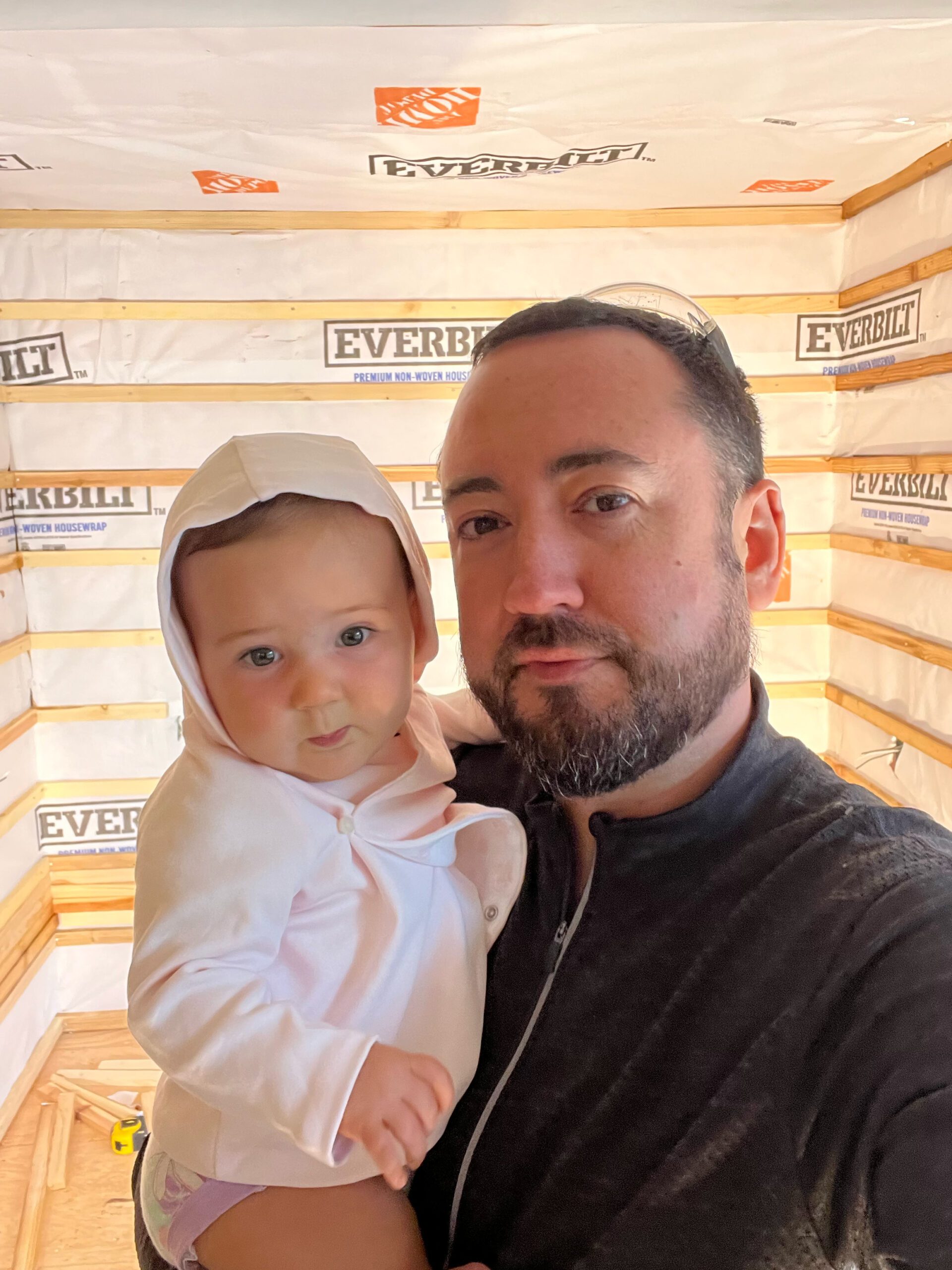
Founder & Lead Designer, SaunaCloud®
3,000+ custom saunas built since 2014 · Author of The Definitive Guide to Infrared Saunas · Featured in Forbes, Inc., and MSN
Chris has been designing and building custom infrared saunas since 2014. He wrote one of the first comprehensive books on infrared sauna therapy and is personally involved in every SaunaCloud build — from design consultation through delivery and beyond.
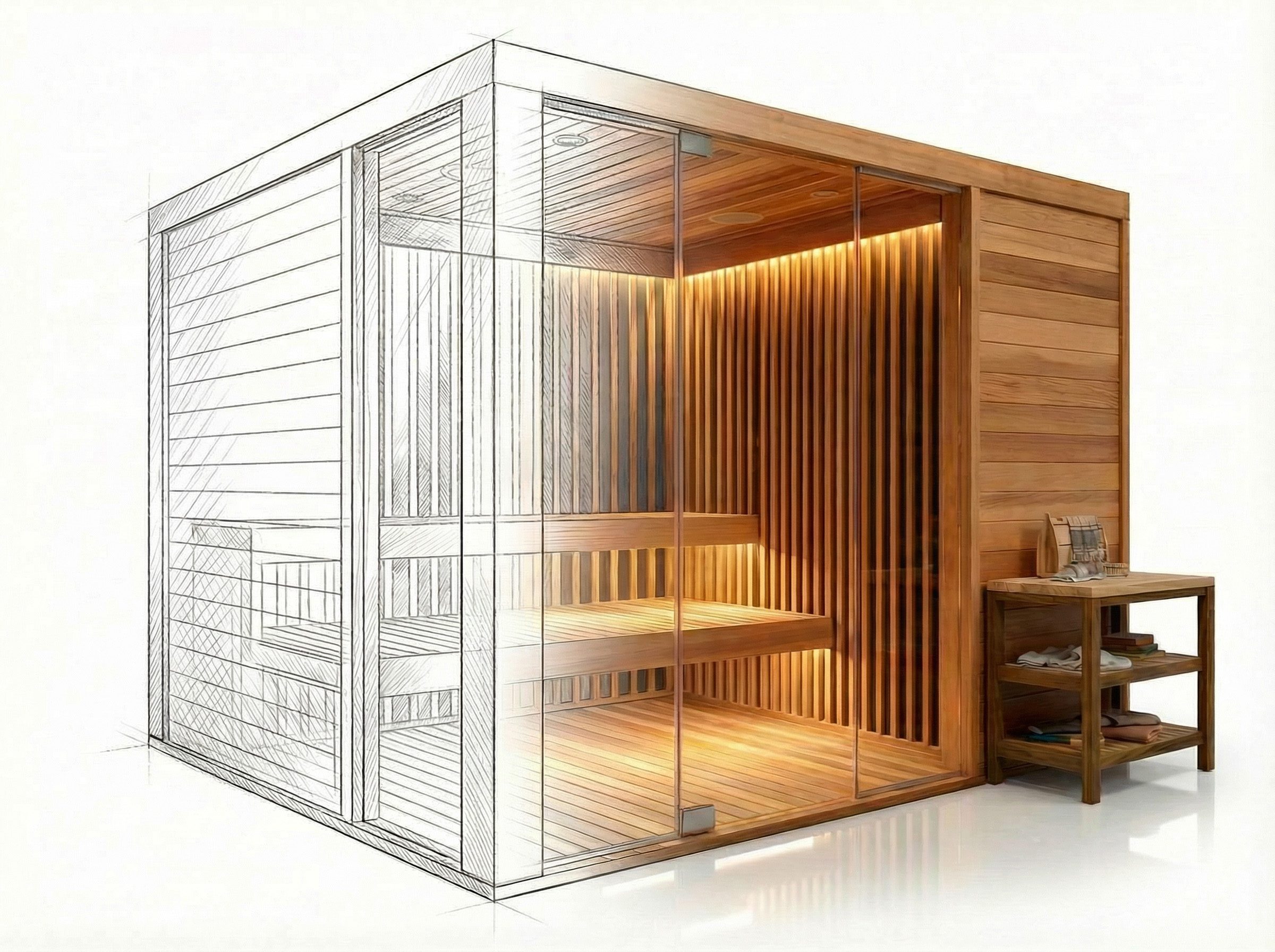
The Heater That Eliminates the Tradeoff
VantaWave: 7.9μm peak, 0.97 emissivity, <0.5 mG EMF, 20,000+ hour lifespan. The power of ceramic, the comfort of carbon, the wavelength physics demands. 800-370-0820.